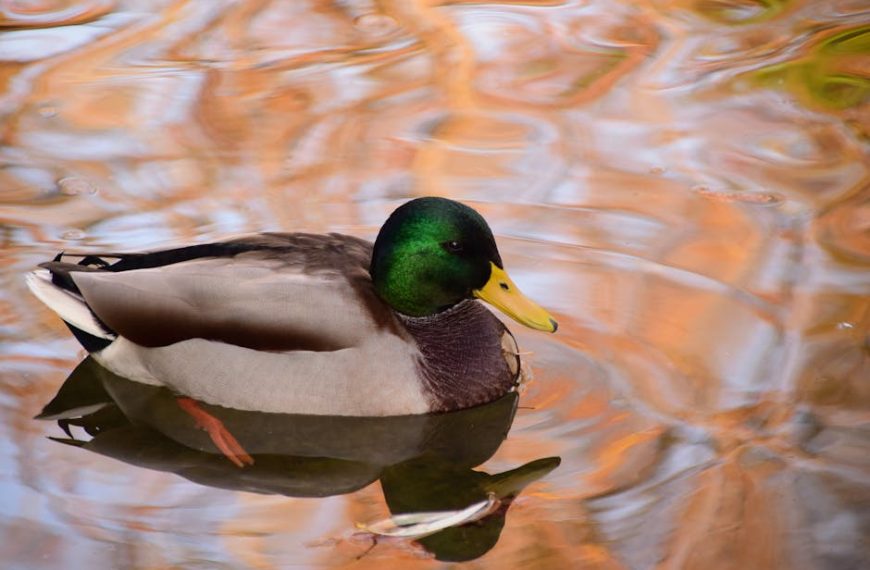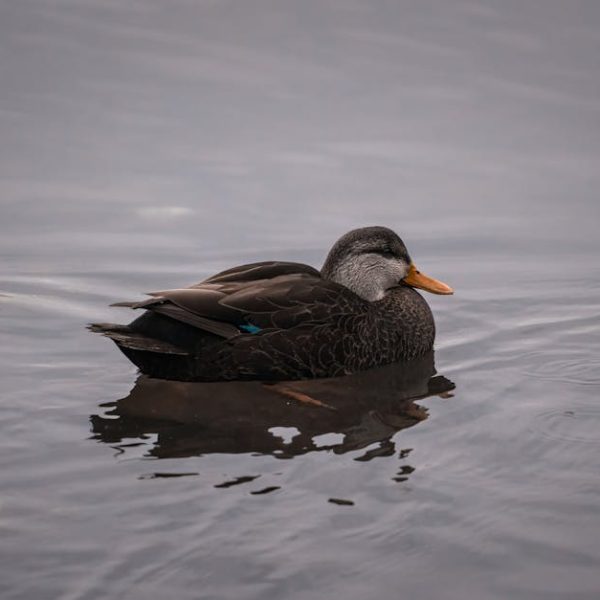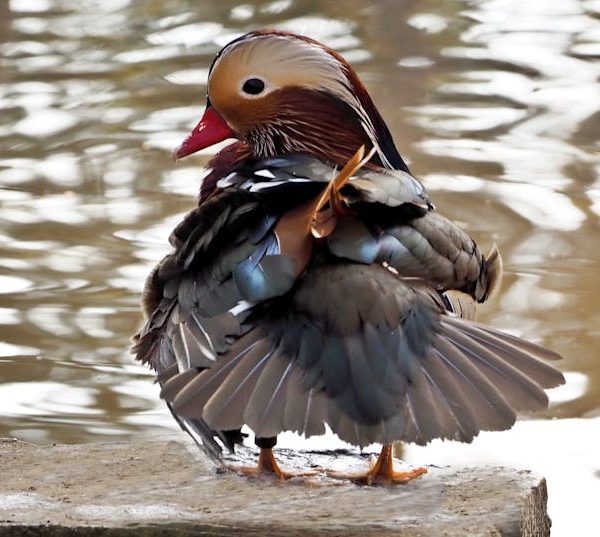
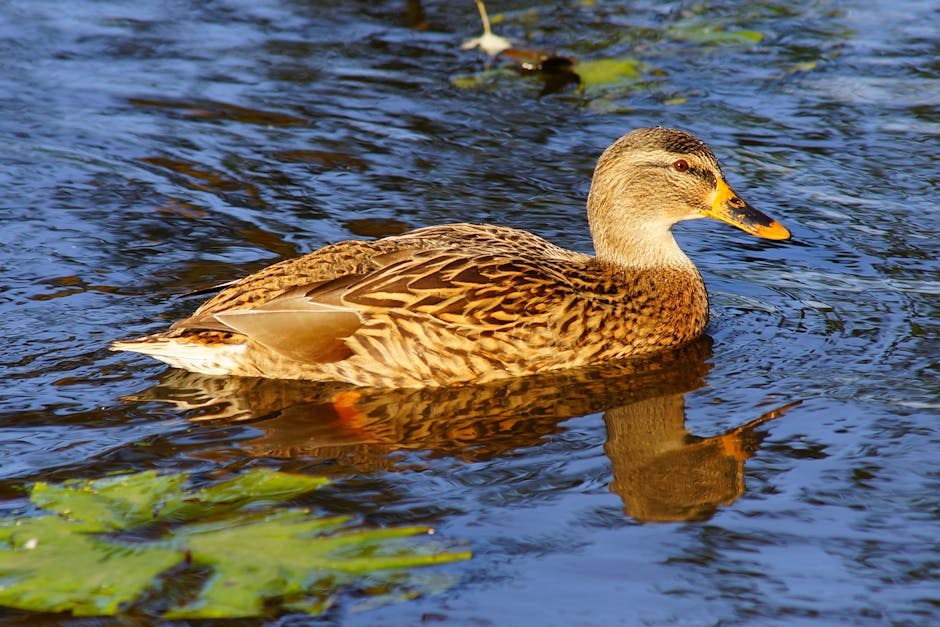
While ducks are known for their versatile taste buds, their dietary needs should always be taken into consideration when determining what to feed them. Just as with humans, a balanced diet is key to maintaining a duck’s overall health and longevity. Typically, ducks consume a varied diet that includes grains, greens, and insects for protein. Ensuring they have a balanced intake of these food groups is essential for their nutritional health.
Can Ducks Eat Sunflower Seeds?
The simple answer is yes, ducks can eat sunflower seeds! Sunflower seeds are packed full of nutrients such as Vitamin E, B Vitamins, and healthy fats, all of which contribute positively to a duck’s well-being. However, while they can be an excellent snack and supplement to a duck’s diet, they should not be the primary food source. Over-reliance on sunflower seeds can lead to nutritional imbalances due to their high fat content.
Pro Tip: Sunflower seeds should be used as a treat or supplement, rather than the mainstay of a duck’s diet.
How to Feed Sunflower Seeds to Ducks
Feeding sunflower seeds to ducks can be a fun and wholesome activity, but there are a few things to keep in mind to ensure their safety and nutritional balance. Before feeding sunflower seeds to ducks, you should always make sure they are unsalted and have been de-shelled to minimize potential choking hazards.
– Checklist for Feeding Sunflower Seeds to Ducks:
– Make sure seeds are unsalted and shelled.
– Start with a small portion and observe the ducks’ reaction.
– Remember, moderation is key!
Risks and Considerations When Feeding Sunflower Seeds to Ducks
Feeding sunflower seeds to ducks is not without risks. The main concern is the possibility of choking, particularly if the seeds haven’t been correctly prepared. Additionally, as mentioned earlier, excessive intake of sunflower seeds can lead to obesity and nutritional imbalances. These risks, however, can be effectively managed with careful portion control and by providing a varied diet.
| Pros | Cons |
|---|---|
| Sunflower seeds are nutrient-rich. | Excessive consumption can lead to obesity. |
Other Food Alternatives for Ducks
In addition to sunflower seeds, there are many other nutritious foods suitable for ducks. Leafy greens and grains, for instance, should be staples of their daily diet. Greens such as lettuce, spinach, or kale provide essential vitamins and minerals, while grains like corn, oats, and rice provide necessary carbohydrates.
| Veggies | Grains |
|---|---|
| Vitamins and Minerals | Carbohydrates |
Feeding ducks can be a rewarding experience, especially when practiced correctly and safely. Remember, moderation and variety are essential components of maintaining a balanced diet for ducks.
In Conclusion
When feeding ducks, remember that variety is key. Sunflower seeds can be a beneficial supplement to a duck’s diet, but they shouldn’t constitute the majority of their food intake. Feeding a balanced diet of grains, greens, and occasional treats like sunflower seeds will keep your ducks happy and healthy.
Consider these final points for wholesome feeding approach:
- Always de-shell and make sure that the sunflower seeds are unsalted before serving them to ducks.
- Begin with small portions and pay close attention to how they react. If the ducks seem to enjoy the seeds and have no adverse effects, they can continue to be included as a small part of their diet.
- Do not overfeed ducks sunflower seeds. Moderation is essential to ensure the ducks don’t develop health problems related to an unbalanced diet.
- Finally, be aware of the potential risks and considerations. While sunflower seeds are nutritious, their high fat content can lead to issues like obesity if they are over-consumed.
Just like humans, ducks are omnivores who thrive on a varied diet. So, treat them to some sunflower seeds now and then, but make sure they’re getting plenty of other nutritious foods as well. Happy feeding!
Frequently Asked Questions
Can ducks eat other types of seeds?
Yes, ducks can eat a variety of seeds like pumpkin seeds, sesame seeds, and flax seeds. However, as with sunflower seeds, all should be fed in moderation.
Are there any foods I should avoid giving to my ducks?
Yes! Avoid feeding your ducks foods that are high in sugar or salt. Bread, especially white bread, is also not recommended since it offers little nutritional value.
How often should I feed my ducks?
How often you should feed your ducks depends on their age, health, and lifestyle. However, typically, ducks should be fed twice a day.
How do I know if my ducks are getting a balanced diet?
You can consult a vet or a professional bird breeder to ensure your ducks are getting a balanced diet. Regular health check-ups are also beneficial. Generally, if your ducks look healthy and energetic, they’re likely receiving adequate nutrition.
Can I just feed my ducks traditional duck feed?
Yes, commercial duck feed is typically formulated to provide a balanced diet for ducks. However, supplementing with fresh foods can improve the overall health of your ducks and keep their diet varied and interesting.
Remember, keeping your ducks healthy isn’t just about feeding them right. They also need plenty of fresh water, a clean environment, and regular veterinary care. Happy ducks are a joy to have around, and their health starts with their diet. Like anyone else, ducks appreciate a little variety in their food – so go ahead and treat them with some sunflower seeds today!
Key Takeaway:
- Ducks can eat sunflower seeds, which are nutritious and beneficial for them, but they should not constitute the bulk of their diet.
- Preparation is key when feeding ducks sunflower seeds; they should be unsalted and shelled.
- Choking and nutritional imbalances are potential risks of feeding ducks sunflower seeds, which can be mitigated through proper preparation and portion control.
- Variety in a duck’s diet is significant, and other food alternatives besides sunflower seeds should be incorporated, such as greens and grains.
Continual care towards your feathered friends guarantees their health. Dedication to providing a diverse diet, mindful of balance, will yield energetic and happy ducks. By adding sunflower seeds to their intake as a treat rather than the mainstay, you offer them enrichment and ensure their nutritional requirements are met.
FAQs
Q: Can I feed my ducks seeds from other flowers?
A: Yes, you can. Ducks can consume various seeds, but remember to ensure the seeds are unsalted and appropriately prepared to prevent choking.
Q: Can ducks eat cooked rice?
A: Yes, ducks can eat cooked rice. It serves as a good source of carbohydrates for them but, like with other food items, should be fed in moderation as part of a balanced diet.
Q: What portion size is recommended when feeding my ducks sunflower seeds?
A: Start with small portions and observe their reaction. Gradually increase the portion if they react positively without observable health issues. However, keep in mind sunflower seeds should remain a small part of their overall diet.
Q: Are there specific times in the day that I should feed my ducks?
A: Ducks can typically be fed twice a day, but this can depend on their age and health status. If you’re unsure, consult a vet or a bird rearing expert.
Q: Can ducks eat the shells of the sunflower seeds?
A: It’s recommended to de-shell sunflower seeds before feeding them to your ducks. This reduces the risk of choking.
Feeding your ducks can be an enjoyable and worthwhile activity. Sharing this article with other duck owners and exploring more posts on our website can make their journey even more fulfilling!