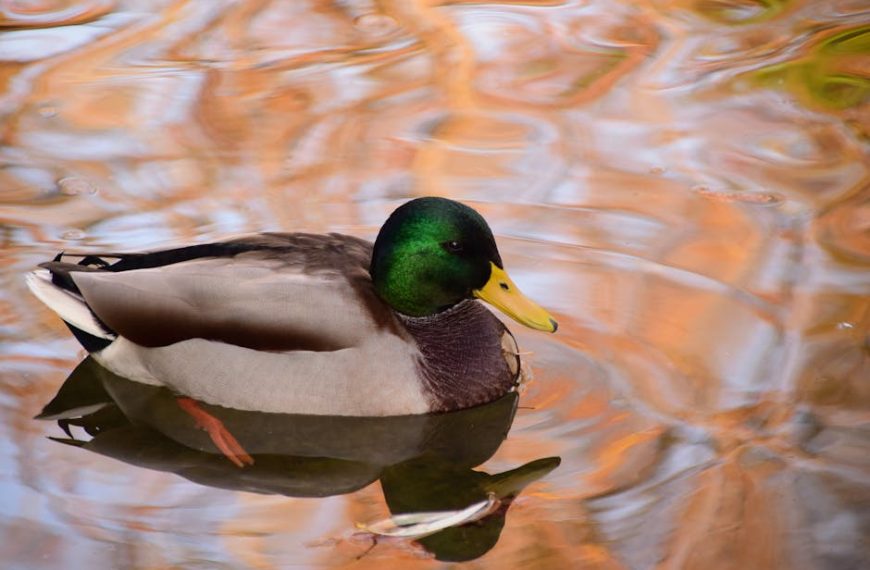

As a duck owner, it’s important to understand their nutritional needs and be mindful of their diet to maintain their health. Yes, ducks can safely have spinach, but like any other food, it should be served in moderation and appropriately prepared. This article will offer insights into this topic and guide you to properly introduce spinach to your duck’s diet.
Understanding a Duck’s Nutritional Requirements
In their natural habitat, ducks consume a diet rich in grains, greens, insects, and small fish.
- Grains like rice, oats, wheat, and corn provide essential carbohydrates and fiber.
- Leafy greens, which include pondweed, grass, and lettuce, offer a wealth of vitamins and minerals.
- Insects and fish contribute valuable proteins and fats for energy and growth.
Key Pro Tip: You can simulate a duck’s natural diet by offering diverse foods that emulate their wild diet. Include a variety of leaves—lettuce, grass, pondweed—in addition to other food sources.
The Place of Spinach in a Duck’s Diet
Yes, it is safe for ducks to eat spinach. Like other leafy greens, spinach contains essential nutrients that can be beneficial to ducks’ health. Vitamins A, E, K, and several B vitamins, along with minerals such as iron, calcium, and magnesium, present in spinach, can boost a duck’s immune system, promote healthy growth and maintain overall health.
However, you must observe a few precautions when feeding spinach to ducks.
✅ Best Practice: Only provide fresh, clean spinach to ducks. Ensure it’s rinsed properly to remove potential traces of pesticides, and never offer spoiled or rotten spinach as it can lead to health issues.
How to Safely Introduce Spinach to Your Duck’s Diet
Introducing spinach to your duck’s diet should be a gradual process. Initially, start by mixing small amounts of finely chopped spinach leaves into their existing food.
Observe your duck’s eating habits, changes in digestion, and their overall health. If they seem to like it and show no adverse effects, you can increase the quantity over time.
Pro Tip: Try not to overdo any one food in their diet—balance is key.
Spinach Other Leafy Greens (Lettuce, Watercress, Kale) Rich in Vitamins A, E, K, and several B vitamins, Iron, Calcium, and Magnesium Variety of Vitamins and Minerals, depending on choice Must be thoroughly rinsed to avoid pesticide exposure Same caution must be observed Too much might cause oxalate crystals to form in kidneys (rare) Excessive amounts of any leafy green can cause digestive issues
Maintaining a Balanced Diet for Your Ducks
While spinach comes with numerous health benefits, it’s crucial to remember that overfeeding can lead to health issues like kidney damage due to oxalate crystals present in spinach. Therefore, it’s imperative to balance spinach with other foods in their diet.
✅ Best Practice: A balanced duck diet should include a mix of greens (spinach, lettuce), grains (rice, oats), proteins (sourced from insects and small fish), and grit to aid digestion. Other healthy food options include peas, corn, oats, worms, and algae. Remember that balance and variety are key for a healthy duck diet.
Other Essential Tips for Duck Owners
Duck health goes beyond just diet. Ensuring your ducks have clean water, appropriate shelter, and safe spaces are also vital aspects of their well-being.
Pro Tip: Ducks are especially prone to various parasitic and respiratory diseases, so it’s essential to change their water source regularly and keep their shelters clean.
Regular veterinary check-ups, worming treatments, and awareness of common duck illnesses are important. Some common illnesses to watch for include botulism, avian influenza, and duck viral enteritis.
Best practices for a thriving duck environment include:
- Ensuring your ducks have space to paddle and preen.
- Providing duck-friendly toys for mental stimulation.
- Maintaining good flock dynamics to reduce stress and fights.
Lastly, considering whether your ducks should be housed indoors or outdoors is critical. Take into account your available space, local climate, and predators in your area.
Outdoor Duck Rearing Indoor Duck Rearing Allows for a more natural lifestyle Less exposure to weather extremes and predators Requires a predator-proof enclosure, proper shelter, and a pond or pool Requires indoor space, duck-proofing measures, and frequent cleaning Requires monitoring for signs of disease and distress Requires monitoring for signs of boredom and distress
In conclusion, providing spinach to your ducks can be beneficial for their health when offered in moderation as part of a balanced diet. Being mindful of their overall environment and regularly monitoring their health status will ensure that your ducks live a happy and healthy life.
Key Takeaway:
- Ducks benefit from a diverse diet mimicking their natural food sources, encompassing grains, greens, insects, and small fish.
- Spinach offers vital nutrients for ducks’ growth and immune system but it needs to be prepared correctly and fed in moderation.
- Introducing spinach into ducks’ diet should be a gradual process, and their responses to the food should be observed closely.
- Maintaining a balanced and varied diet, including spinach, grains, proteins, and other healthy options, is indispensable for ducks’ health.
- Duck care involves more than diet; clean water, safe shelter, regular veterinarian checkups, and a suitable environment also play a significant role in their overall health and wellbeing.
Providing the best care for your ducks means understanding their dietary needs and ensuring their environment caters to their well-being. Embracing a balanced and varied diet, including spinach, and maintaining a clean and safe space, will contribute towards their overall health and happiness.
FAQs
Q: How often can I feed spinach to my ducks?
A: While there’s no hard and fast rule, it’s advisable to offer spinach to your ducks a few times per week as part of a varied diet. Overfeeding spinach can potentially lead to health issues due to higher levels of certain compounds, such as oxalates.
Q: What are some signs of spinach intolerance in ducks?
A: If your ducks suffer from diarrhea, exhibit poor appetite, or show signs of distress after feeding on spinach, it might indicate a potential intolerance. In such cases, reduce the amount or remove it from their diet completely, and consult a veterinarian.
Q: Can I feed my ducks canned spinach?
A: It’s conpreferable to offer your ducks fresh produce. Canned spinach may contain preservatives and higher salt levels, which are not healthy for ducks. Always ensure any spinach, or other greens, are rinsed thoroughly before offering them to your ducks to remove potential pesticides.
Q: Apart from spinach, what other leafy greens can I offer to my ducks?
A: Ducks generally enjoy a variety of leafy greens such as lettuce, pondweed, and kale. Remember, a varied diet is crucial to their health, so aim to offer different types of leafy greens in rotation.
Q: How do I ensure the outdoor environment is safe for my ducks?
A: An outdoor setting should include a predator-proof enclosure and a source of clean water, such as a pond or pool. Regular monitoring for signs of disease and distress is needed as well. Remember to provide shelters that would protect your ducks from extreme weather conditions.
Feel free to share this article with fellow duck owners and enthusiasts, and explore other articles on our website to learn more about caring for your feathered friends!