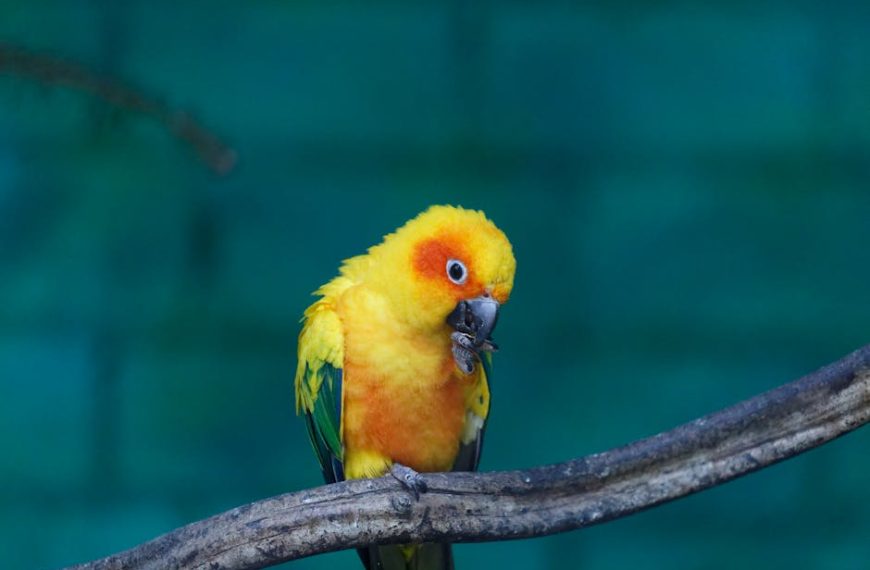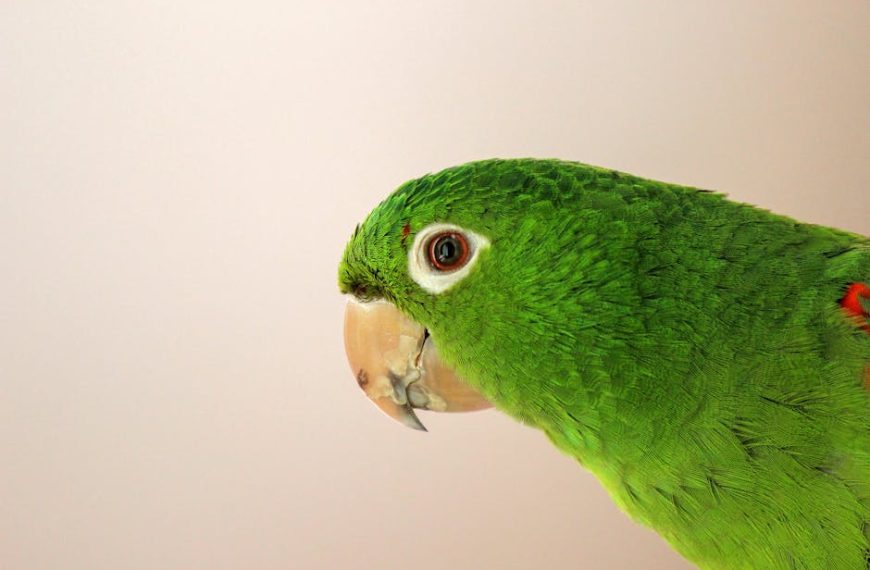
Introduction: When we care for our feathered friends, there’s plenty to consider. One essential factor is their diet. Yes, parakeets can eat celery, but it’s important to feed pets a balanced diet that suits their specific nutritional needs. In the case of parakeets, their diet should be diverse, combining seeds, fruits, vegetables, among other foods.
Understanding a Parakeet’s Diet
Parakeets, also known as budgies, are small birds with big dietary needs. To keep your avian companion happy and healthy, consider these essential components of a parakeet’s regular nourishment:
- Seeds
- Fruits
- Vegetables
- Grains
- Bird-safe proteins like eggs, nuts, and legumes
In the wild, parakeets flourish on diverse diets, often including native seeds, buds, insects, and even small invertebrates. It’s vital to replicate this dietary diversity within captivity using nutrient-dense food items.
Best Practice: Maintaining a balanced diet for your parakeet involves variety. Regularly changing up the types of seeds, fruits, and vegetables fed to your parakeet helps ensure they receive a wide range of vitamins and minerals.
Role of Vegetables in a Parakeet’s Diet
Vegetables play a pivotal part in a parakeet’s health, providing essential vitamins, fiber, and minerals that may otherwise be absent from a seed-based diet. Their regular inclusion can contribute to optimal health, improved immune function, and overall well-being of your bird.
Pro Tips: Variety is crucial when introducing vegetables to your bird’s diet. Rotate different types such as leafy greens, root vegetables, and bell peppers to provide a broad nutritional profile. Always finely chop or shred the vegetables to make them easier for your bird to consume.
Comparison:
| Vegetable | Nutritional Value |
|---|---|
| Bell Pepper | Rich in Vitamin A and C |
| Spinach | High in Iron and Calcium |
| Carrot | Excellent source of Beta Carotene |
The Health Benefits of Celery for Parakeets
Celery, like many other vegetables, brings a host of benefits to your parakeet’s diet. It is rich in vitamin K, a nutrient crucial for maintaining healthy and strong bones. Moreover, it contains vitamins A and C, folate, and potassium.
List: The key nutrients found in celery beneficial for a parakeet’s health are:
- Vitamin K
- Vitamin A
- Vitamin C
- Folate
- Potassium
Pros and Cons: Including celery in a parakeet’s diet could have plenty of advantages, from improving bone health to boosting the immune system. However, it’s not all perfect. One challenge could be with the stringy parts of celery. They can pose a choking hazard; therefore preparation is important.
Feeding Celery to Parakeets: Preparation and Precautions
Feeding celery to your parakeet should not be a difficult task, but it should be done with care. Here’s what you need to consider:
Checklist:
- Always wash the celery thoroughly under running water to remove any dirt or pesticides.
- Chop the celery into small, manageable pieces. This helps prevent your bird from choking.
- Remove the stringy parts of the celery to avoid ingestion difficulties.
- Never feed a parakeet any celery leaves. They contain harmful substances for the bird.
- Always start with a small quantity and gradually increase it if your parakeet shows interest.
Best Practice: It’s best to feed your parakeet celery as part of a varied diet, instead of the sole food source. It should only make up a portion of the bird’s total vegetable intake.
Common Mistakes in Feeding Parakeets with Celery
Bird owners often make some common mistakes when feeding their parakeets celery, which could negatively affect the bird’s health. Here are some points to consider:
Pro Tips:
- Avoid feeding your parakeet too much celery at once, as it could cause digestive issues.
- Ensure you properly clean the celery to remove any pesticides or chemicals.
- Remember to monitor your parakeet for any adverse reactions to celery. If you notice any ill effects, stop feeding the celery and consult with a vet.
Comparison:
| Correct Feeding | Incorrect Feeding |
|---|---|
| The celery is well cleaned and chopped into small pieces. | The celery is not properly cleaned and fed in large unchopped pieces. |
| The celery is fed in moderation as part of a varied diet. | Celery is given in large quantities causing digestive issues. |
| Stringy parts of celery are removed before feeding. | Stringy parts are not removed, causing a choking hazard. |
To sum up, celery is safe for parakeets and can offer some significant nutritional benefits for them. Like with any food, though, it’s important to practice safe handling and preparation, and always monitor for any adverse reactions. Happy feeding!
Key Takeaway:
- Parakeets can consume a variety of foods, including seeds, fruits, vegetables, grains, and bird-safe proteins.
- Vegetables, like celery, play a crucial role in a parakeet’s diet by providing essential vitamins, fiber, and minerals.
- Celery in particular is beneficial because it is rich in vitamins K, A, and C, in addition to folate and potassium.
- Properly preparing and feeding celery to parakeets involves washing it thoroughly, chopping it into small pieces, and removing stringy parts.
- It’s important to avoid feeding parakeets too much celery at once and to monitor them for any adverse reactions.
Maintaining your parakeet’s diet can undoubtedly require some effort, but it’s integral for your feathered friend’s health. Remember, a diverse diet is key, and by introducing vegetables like celery into their diet, you can ensure they’re getting the nutrients they need. So, don’t shy away from trying new things, and keep an eye on your parakeet’s eating habits.
FAQs
Q: Are there other vegetables that I can feed my parakeet aside from celery?
A: Absolutely! Parakeets can eat a variety of vegetables such as bell peppers, spinach, and carrots. Just make sure to rotate them regularly to provide a broad nutritional profile.
Q: Can parakeets eat all parts of the celery?
A: No, it’s important to remove the stringy parts of the celery because they can cause a choking hazard for parakeets. Also, never feed them celery leaves as they contain harmful substances.
Q: Is there a limit to how much celery I can feed my parakeet?
A: Yes, too much celery can cause digestive issues in parakeets. It’s best to feed celery as part of a varied diet and only as a portion of the bird’s total vegetable intake.
Q: What should I do if my parakeet has an adverse reaction to celery?
A: If your parakeet shows any signs of discomfort, sickness, or change in behavior after eating celery, stop feeding them celery immediately and consult with a vet.
Q: How often should I give my parakeet vegetables?
A: It’s good to frequently incorporate vegetables into your parakeet’s diet. However, the quantity and frequency can vary depending on the size and dietary needs of your parakeet. A vet can provide specific advice based on your bird’s overall health and nutritional requirements.
Feel free to share this article with other bird owners and explore more of our posts to continue learning about taking the best care of your feathered friend.