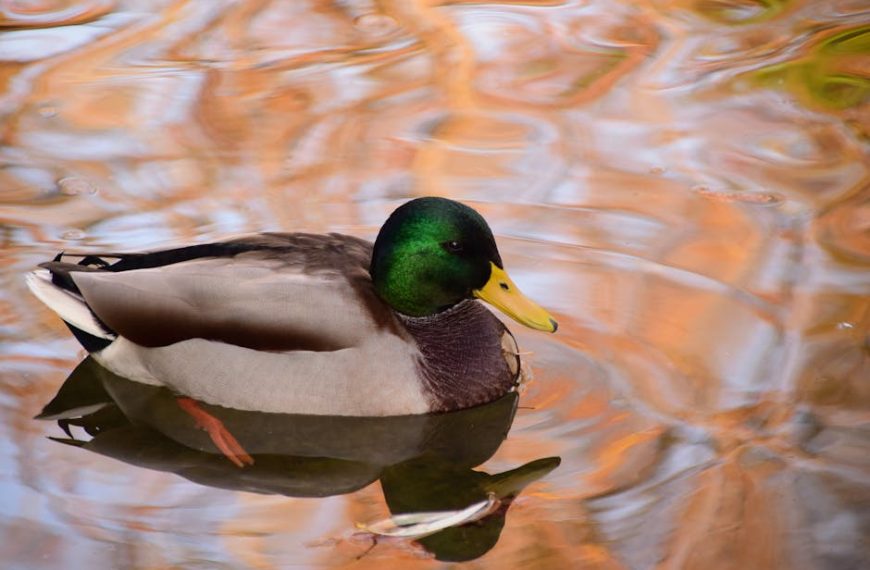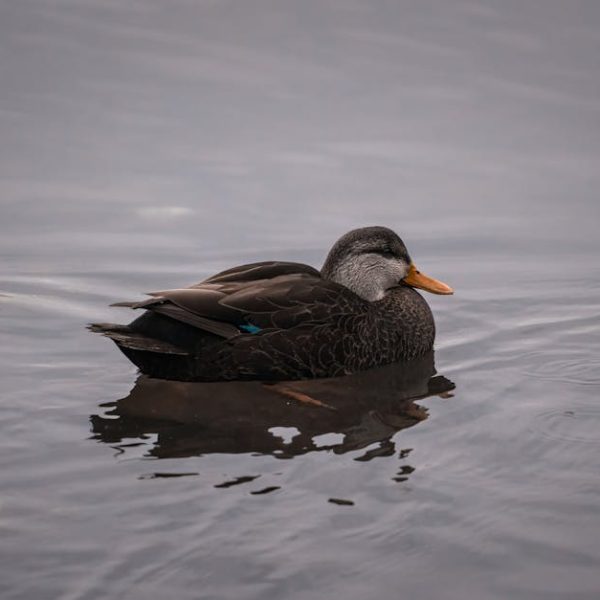
Have you ever wondered if ducks can eat chocolate? If you thought the sweet treat would be harmless, you’re not alone, but truth be told, chocolate isn’t safe for ducks, and feeding it to them can be pretty risky. This piece examines why chocolate is harmful, what to do if a duck mistakenly eats chocolate, and what healthier treat alternatives exist.
The Danger of Chocolate for Ducks
Chocolate, while a delightful indulgence for most humans, is lethal for ducks. This is because it contains a toxic compound known as theobromine. Too much of this bitter alkaloid not only disrupts a duck’s normal bodily functions but also poses a fatal risk.
Additionally, caffeine – another component found in chocolate – can be harmful too. Ducks are sensitive to caffeine and reactions can range from restlessness to fatal heart arrhythmia. No wonder it’s a definite ‘no-no’ in a duck’s diet!
- Pro Tip : Familiarizing yourself with signs of chocolate poisoning in ducks can help recognize a potential problem and act swiftly. The symptoms can vary from diarrhea, excessive thirst, rapid breathing, muscle tremors, to seizures, and even death in severe cases.
The Effect of Theobromine on Ducks
Theobromine primarily affects a duck’s nervous and cardiovascular systems, causing heart problems and neurological disorders. Ducks can’t metabolize theobromine efficiently because they lack the necessary enzymes. As a result, it accumulates in their systems, leading to toxicity.
If a duck consumes a substantial amount of chocolate, it can lead to hyperactivity, anxiety, and even severe convulsions. Long-term exposure to theobromine can lead to chronic symptoms such as weight loss, heart abnormalities, and in extreme cases, death.
- Best Practice : Prevent ducks from ingesting chocolate unintentionally. This can be done by securely disposing of your chocolate wrappers and ensuring your pet or local ducks don’t have access to any chocolate lying around.
Imploring responsible feeding practices ensures your feathered friends are shielded from harmful substances in foods that are perfectly safe for the human palate, but potentially lethal for them. Ensuring the ducks in your care avoid chocolate is the first step in mapping a nutritionally balanced, healthy life for them.
What To Do If a Duck Eats Chocolate
If a duck has consumed chocolate, immediate action is required. It’s crucial to remain calm and act swiftly. Contact your local vet straight away; they’d be the best point of contact to guide you with the appropriate procedures in such scenarios.
The vet might recommend stomach pumping, administering medication, or providing intravenous fluids depending on the severity of the ingestion. The administration of activated charcoal could also be used to prevent theobromine from entering the duck’s bloodstream.
- Checklist ️:
- Immediately remove any remaining chocolate from the duck’s reach.
- Contact a vet as soon as possible.
- Follow the treatment plan provided by the vet.
- Monitor the duck’s symptoms closely.
- Keep the duck in a calm, secure environment to aid recovery.
Safe Treats for Ducks
So, what can ducks munch on? There are a variety of healthier and safer treats for ducks. A balanced diet for ducks includes grains, green vegetables, corn, peas, and worms. Foods high in nutritional value, such as kale, lettuce, and grapes (sliced in half), can also make great treats.
| Parameter | Healthy Treats | Harmful Treats |
|---|---|---|
| Nutritional Value | High | Low |
| Safety for Ducks | Safe | Unsafe |
| Examples | Worms, Grains, Corn, Peas, Leafy Greens | Chocolate, Bread, Junk Food |
Additional Tips for Duck Nutrition and Health
While diet plays a crucial part in a duck’s health, don’t ignore the importance of their environment and genetic traits. Successful duck rearing calls for attention to these aspects too.
The living environment should be clean, secure, and spacious, offering enough room for ducks to roam and forage. Ducks appreciate having clean water to swim and play in, and it’s also where they get necessary exercise.
- Best Practice : Pedigree and diet go hand-in-hand when thinking about duck health. Ducks thrive on a diet rich in grains, greens, and adequate amounts of protein. Combining good nutrition with a clean, safe habitat will play a vital role in keeping a happy, healthy flock.
In conclusion, resist the temptation to feed ducks whatever may be at hand, particularly foods such as chocolates which could endanger their lives. The key is to be informed and ensure their diet is balanced and predominantly natural to maintain their overall health. Your feathered friends will be thankful!
Key Takeaway:
- Chocolate is lethal to ducks due to toxic compounds like theobromine and caffeine it contains.
- Ducks can’t metabolise theobromine efficiently, leading to toxicity.
- Immediate steps must be taken if a duck consumes chocolate, including consulting a vet.
- There are many healthier and safer alternatives for ducks’ treats, like grains, vegetables, and fruits.
- Overall diet, environmental factors, and genetics play important roles in a duck’s health.
Remember that knowledge is key in maintaining the health of your feathered friends. A small addition to your routine like checking their diet can make a world of a difference. So, cherish these moments with these special creatures, and they will recognize and reciprocate your care.
FAQs
Q: Are there any other common foods that are harmful to ducks?
A: Yes, other than chocolate, foods like processed bread, onions, Avocado, and alcohol can also be lethal to ducks.
Q: How does caffeine affect ducks?
A: Ducks are sensitive to caffeine. The compound can cause restlessness, rapid heart rate, and in severe cases—fatal heart arrhythmias.
Q: What should I do if I see someone feeding chocolates to ducks in a public park?
A: Politely educate them about the harm chocolates can cause to ducks. If they persist, you might need to report the incident to the local park authority or animal welfare agency.
Q: What are some signs my duck is in good health?
A: Healthy ducks display active behavior, have clear and bright eyes, and produce normal droppings. Other signs include a hearty appetite and a shiny, well-preened feather layer.
Q: How should I balance a natural diet and commercial feeds for ducks?
A: Providing a balance can be achieved by supplementing commercial feeds with a mix of fruits, vegetables, grains, and grit for digestion. Periodically checking with a vet or an ornithologist may offer guidance specific to your ducks’ needs.
Please feel free to share this article within your network and explore more informative posts on our website!