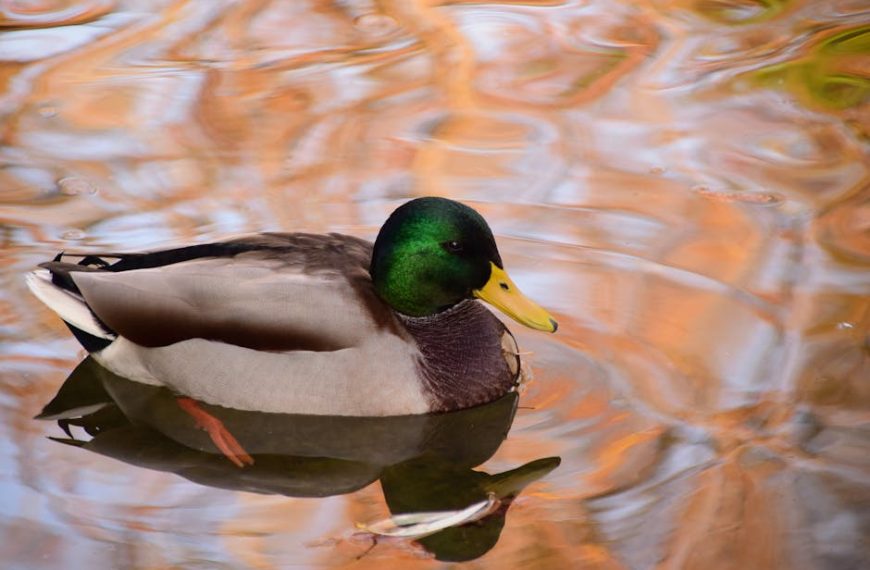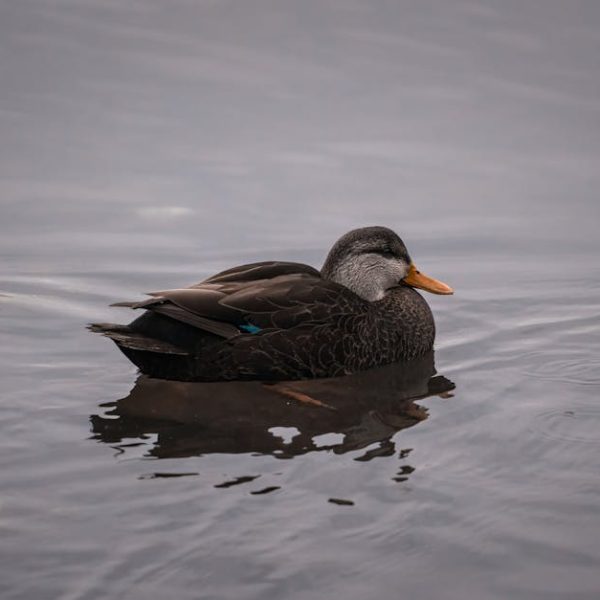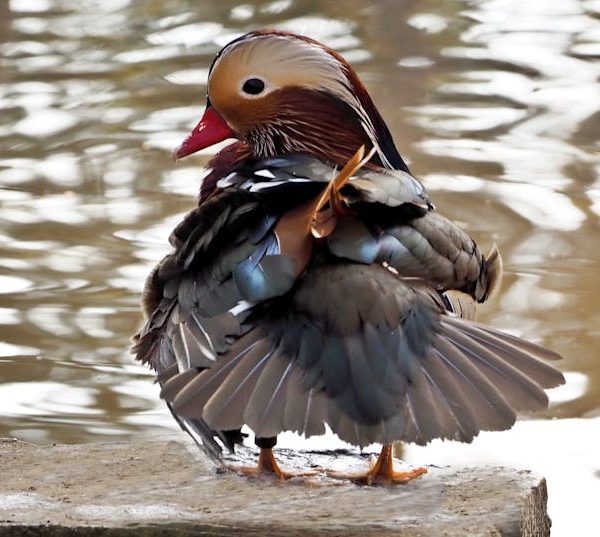
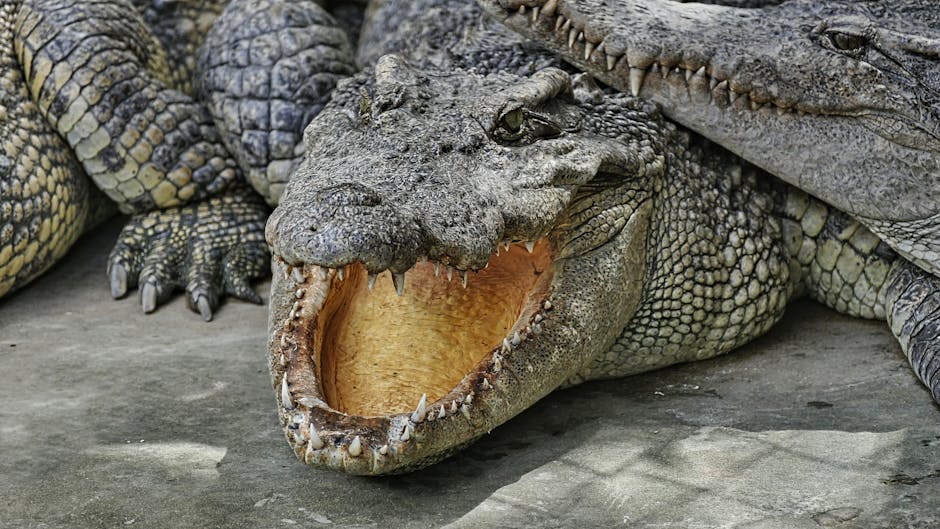
The diet of any animal species is predominantly marked by their natural habitat, availability of food sources, and inherent instincts. Alligators, being one of the most formidable apex predators in the wild, make no exception to this rule. Yes, alligators do eat ducks, but there’s more to this mechanism in the wild world that isn’t about mindless predation.
Dietary Habits of Alligators
Alligators are opportunistic feeders. While their dietary preference largely depends on their size and age, they are not particularly fussy eaters. Wild alligators have a broad diet consisting mostly of fish, amphibians, crustaceans, birds, and even smaller mammals. Young alligators opt for softer prey such as insects, amphibians, and small fish until they grow large enough to handle larger animals like turtles, various birds, and sometimes even deer.
Here is a typical food preference list based on an alligator’s size and age:
- Young Alligators: Insects, Amphibians, Small Fish
- Medium-Size Alligators: Birds, Turtles, Larger Fish
- Large Alligators: Deer, Large Birds, Smaller Reptiles, and Smaller Alligators
The Predation of Ducks by Alligators
Between their varied diet, alligators have been known to infrequently prey on ducks. This typically occurs when the two species find themselves in the same ecosystem—especially in marshy areas or bodies of shallow freshwater where both ducks and alligators thrive. To catch a fast-moving target like a duck, an alligator relies on stealth and sudden ambush. Their approach involves being incredibly still, almost blending in with the environment, before rushing at the unsuspecting target.
Pro tip: Alligators are more likely to target ducklings or sick and older ducks as they are easier to catch and overpower as compared to healthy, adult ducks.
Impact on Duck Populations Due to Alligators
Understanding the relationship between alligators and ducks requires analyzing the impact alligator predation has on duck populations. While being prey to alligators does introduce a survival challenge for ducks, it also significantly contributes to maintaining the ecological balance in their shared habitats.
Flip the coin, and we find that hunting ducks provide essential sustenance for alligators, keeping their population healthy and thriving too.
| Pros | Cons |
|---|---|
| Helps regulate duck population | Can lead to localized duck population decline |
| Provides nutrition for alligators | Potential to disrupt breeding habitat of ducks |
| Maintains overall ecological balance | Raised threat levels can stress duck populations leading to migration |
We’ll discuss this more under the survivor strategies and the delicate balance required in ensuing conservation efforts.
Survival Strategies of Ducks Against Alligator Attacks
For ducks, survival doesn’t only mean adapting but also mastering evasion tactics against predators like alligators. These birds’ refined survival instincts and adaptable nature have ensured the coexistence with such formidable adversaries in the wild.
For instance, ducks have excellent flight abilities, superior eyesight, and a rapid submerging capability – traits they effectively utilize to evade alligators in the wild. They also remain attentive, especially when in shared habitats with alligators, to minimize unexpected encounters.
Here’s a simple checklist that highlights key duck survival strategies against alligators:
- Exceptional Flight Ability: Ducks can take off almost vertically when they sense danger, providing an instant escape route.
- Excellent Vision: Ducks have a wide field of view, allowing them to notice approaching threats from a distance.
- Quick Submergence: Ducks can disappear underwater rapidly when threatened.
- Constant Vigilance: Ducks are always alert to potential danger in their environment.
Conservation Perspectives: Balancing Alligator and Duck Populations
The ongoing conservation endeavors aim at maintaining a healthy balance between predator and prey species within ecosystems. When it comes to alligators and ducks, the steps taken are no different. Regulatory measures on alligator hunting and efforts to secure and preserve duck habitats actively contribute to this delicate balancing act.
But, we must remember that in any thriving ecosystem, the predator-prey ratio plays a vital role in preserving the overall balance. Too many alligators can decimate the duck population and vice versa. Here are some best practices proposed by wildlife experts:
- Regular monitoring of duck and alligator populations within shared ecosystems.
- Implementing hunting limits for alligators during breeding seasons.
- Securing and protecting areas known for higher duck concentrations.
- Educating the public about the importance of preserving natural habitats.
In conclusion, alligators do eat ducks in the wild, but it’s all part of the fascinating, intricate tapestry of nature’s unique predator and prey dynamics. It’s essential to understand and respect this delicate balance to ensure the survival and flourishing of both these incredible creatures in their natural habitats.
Key Takeaway:
- Alligators’ diets vary primarily based on their size and age, including a wide range of aquatic animals and small mammals.
- Alligators do occasionally prey on ducks in their natural habitats, typically when the two species share the same ecosystem. Alligators use stealth and sudden ambush as a hunting strategy.
- Alligator predation can have significant impacts on duck populations. However, it also plays a crucial role in maintaining the ecological balance in their shared habitats.
- Ducks employ various strategies to escape from alligator attacks, including rapid submerging and exceptional flight abilities.
- Conservation efforts aim to balance the predator-prey dynamics between alligators and ducks to secure their survival and preserve the overall ecological balance.
Having established an understanding of the predator-prey relationship between alligators and ducks, it’s important to remember that this dynamic plays a crucial role in driving the ecological balance of their shared habitats. It’s a symbiotic relationship that ensures the survival and flourishing of both species in the wild. Hence, let’s continue to learn, respect, and protect these shared spaces.
FAQs
Q: Do alligators pose a significant threat to duck populations?
A: While alligators do prey on ducks, it’s worth noting that this predation contributes significantly to maintaining the ecological balance in shared habitats. Therefore, while alligators present a survival challenge for ducks, they don’t necessarily pose a rampant threat to their overall populations.
Q: How do ducks protect their young from alligators?
A: Ducks exercise constant vigilance, especially when sharing habitats with alligators. In the case of a threat, ducks utilize their exceptional flight abilities to escape with their young, and older ducks often draw the predator away to protect the ducklings.
Q: Are there specific seasons when alligators are more likely to prey on ducks?
A: Alligators are opportunistic feeders, meaning they prey depending on the availability of food. However, during mating and nesting seasons, when ducklings are common, alligators might exhibit a higher tendency to prey on ducks.
Q: How do conservation efforts try to balance the populations of alligators and ducks?
A: Conservation measures monitor the populations of both species, implement hunting limits for alligators during breeding seasons, secure areas of high duck populations, and educate the public about the importance of preserving these habitats.
Q: Could the removal of alligators from certain habitats help in increasing the duck population?
A: While such action might appear beneficial for ducks, it could disrupt the overall ecosystem balance, leading to overpopulation of ducks and thereby affecting their available resources for survival. It’s essential to maintain a healthy predator-prey balance for a thriving ecosystem.
Like this content? Don’t forget to share this article with others, and explore more posts on our website for in-depth insights into animals and their intriguing behaviors in the wild!