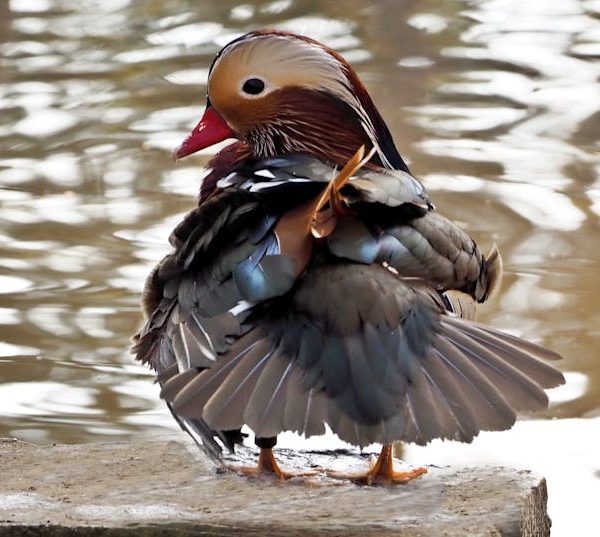
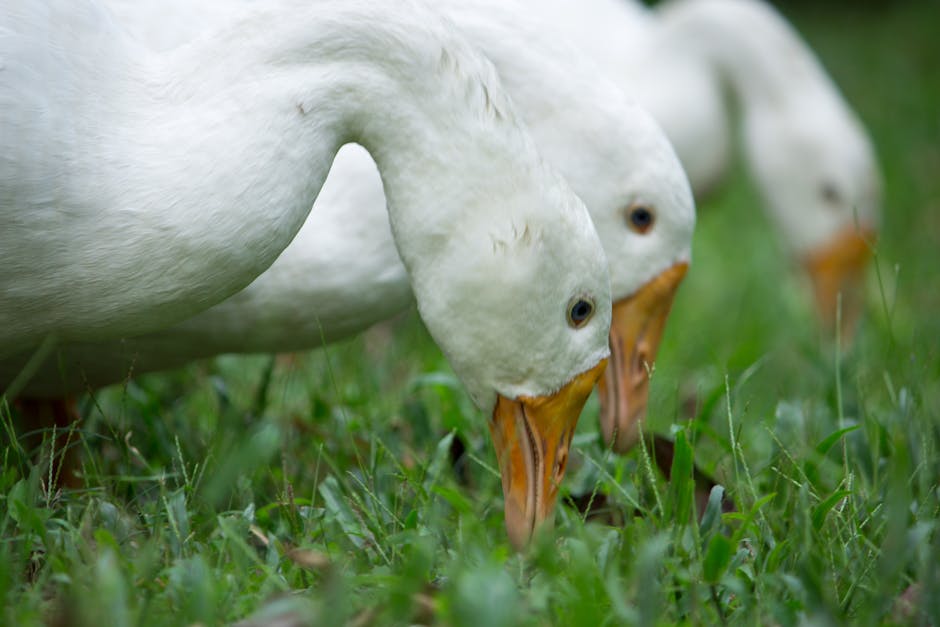
A duck’s diet plays an integral role in its overall health and wellness. As a duck owner, it’s essential to understand your feathered friend’s dietary needs and food preferences. One of the most common questions asked by duck owners is, Can ducks eat cabbage? In short, the answer is yes. Ducks can indeed eat cabbage safely. However, understanding the implications and nutritional benefits of this vegetable for your ducks goes beyond this simple answer. Let’s delve deeper and discuss this topic thoroughly.
Understanding a Duck’s Dietary Needs
Just like any other domesticated bird, ducks require a balanced diet that includes proteins, carbohydrates, vegetables, and a constant supply of water. Their meal should be rich in essential vitamins and minerals to aid their growth, egg production, and feather development.
Ducks enjoy a variety of food types:
– Grains like wheat, rice, and oats
– Vegetables such as lettuce, cucumber, and indeed, cabbage
– Seeds, including sunflower and pumpkin seeds
Every duck owner should know there’s a marked difference between food specifically formulated for ducks and feeding them scraps from the human table. Duck feed contains all the nutrients they need, while scraps aren’t usually enough to support a balanced diet.
Pro Tip: Always ensure to provide your ducks with clean drinking water. Water aids their digestion and is crucial for their overall health and survival.
Feeding Ducks Cabbage: Is It Safe?
Providing cabbage to your ducks is not only safe but also beneficial for them. This leafy green vegetable is packed with essential nutrients that are good for your ducks’ health.
Cabbage primarily offers ducks:
– Vitamin K, which promotes bone health and proper blood clotting
– Vitamin C for a strong immune system
– Folate, which is vital for new cell formation
Best Practice: While cabbage has numerous benefits, it’s best given in moderation because of its high fiber content, which could potentially lead to digestive issues if given excessively.
Pro Tip: To serve cabbage to your ducks, you can either chop it into small pieces or cook it slightly to soften the leaves.
Remember, the answer isn’t just about whether ducks can eat cabbage, but about how you feed it to them, keeping their diet varied, and always monitoring their health. Below we’ll tackle potential risks and the best practices to mitigate them.
Potential Risks and Precautionary Measures when Feeding Ducks Cabbage
Feeding cabbage to ducks also comes with some risks, particularly when given in large quantities. Cabbage is high in fiber, and while some fiber is good for digestion, excessive amounts can lead to blockages and digestive upset in ducks.
To avoid these potential risks, you can take these steps:
– Feed cabbage to your ducks in moderation.
– Monitor your ducks for any changes in behavior or droppings after they consume cabbage.
– If you notice any unusual changes and you’re uncertain, take your ducks to the vet.
There are pros and cons to feeding your ducks cabbage. While the vitamins and minerals are beneficial, the high fiber content can pose problems when consumed excessively.
Mixing Cabbage with Other Foods for Ducks
Cabbage does not have to be the main meal for your ducks. Mixing cabbage with other foods can help create a more balanced diet for them while lessening the potential impacts of fiber overload.
Here are some foods that can go well with cabbage:
– Duck pellets or grains like wheat and oats
– Other vegetables and fruits such as cucumber, peas, and apples
– Seeds like sunflower and pumpkin seeds
Pro Tip: Remember, the goal is to achieve a balanced and varied diet for your ducks. Do not over-rely on one type of food even if your ducks seem to enjoy it more than others.
Alternatives to Cabbage in a Duck’s Diet
If you feel that your ducks have had enough cabbage or if they simply aren’t fans of this vegetable, there are plenty of other healthy alternatives you can offer.
Consider these veggies that are also rich in nutrients:
– Lettuce
– Corn
– Peas
Pro Tip: Keeping a variety in your ducks’ diet not only ensures that they’re getting the nutrients they need, but it also keeps them interested in their food.
Final Thoughts
Being a duck owner involves understanding their dietary needs and catering to them. Cabbage can be a healthy addition to a duck’s diet, as long as it’s given in moderation and mixed with other beneficial foods.
Always remember that a balanced diet is key to your ducks’ health and happiness. Be sure to consult with your vet if you have any doubts or concerns. Happy duck raising!
Key Takeaway:
- Ducks can safely eat cabbage, which provides essential vitamins and minerals such as vitamin K, vitamin C, and folate.
- Cabbage should be given to ducks in moderation due to its high fiber content, which if consumed excessively, could lead to digestive issues.
- Mixing cabbage with other foods can help create a balanced diet for ducks.
- There are other healthier food alternatives, including lettuce, corn, and peas, if ducks choose not to eat cabbage.
- It is crucial for duck owners to understand their pets’ dietary needs and to provide them with a balanced diet for optimal health.
Remember, balance is key in any diet, and the same applies to feeding your ducks. Maintain variety in their diet and always ensure you watch out for any unusual changes in their behavior or droppings after introducing new foods. Consult a vet if in doubt.
FAQs
Q: What other vegetables can I feed my ducks?
A: Ducks can enjoy a variety of vegetables such as cucumber, lettuce, peas, and corn. Always remember to chop them into small, manageable pieces.
Q: Can cabbage replace grains in my ducks’ diet?
A: No, cabbage should be part of a balanced diet and not a replacement for other food types like grains. Ducks need a mix of proteins, carbohydrates, and vegetables for a healthy diet.
Q: Do ducks prefer raw or cooked cabbage?
A: Ducks can eat either raw or slightly cooked cabbage. Slightly cooking the cabbage can make it easier for them to eat, but be sure not to use any oil or seasoning.
Q: How often can I feed my ducks cabbage?
A: There is no fixed rule, but moderation is key due to cabbage’s high fiber content. Monitor your ducks and reduce the frequency if you notice any digestive issues.
Q: Are there any risks to ducks eating too much cabbage?
A: Yes, excessive cabbage can lead to digestive issues in ducks due to its high fiber content. Always feed cabbage in moderation and monitor your ducks for any changes in their behavior or droppings.
Remember to share this article with other duck owners and explore our other posts to keep up-to-date with the best practices for raising healthy and happy ducks!