Understanding Ducks’ Dietary Needs
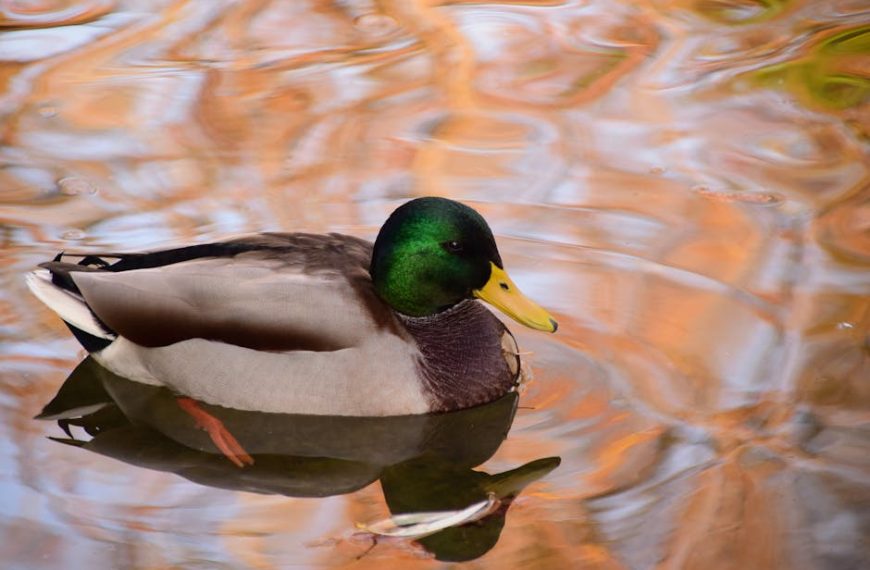
Determining what to feed your beloved ducks starts with a solid understanding of their dietary needs. Ducks, being omnivorous birds, are not particularly picky eaters. They enjoy a diverse menu, ranging from leafy greens to small aquatic creatures. One of the advantages of this varied diet is its flexibility. You can often use what’s readily available in your garden or kitchen, supplemented with specialized duck feed for a balanced diet. However, it’s important to recognize that not all foods are equally beneficial or safe for ducks.
– Essential foods for ducks often include leafy greens like lettuce, grains such as corn, legumes like peas, and a variety of fruits.
– Pro Tip: A well-balanced duck diet should comprise a good mix of proteins, carbohydrates, and vitamins. Feeding ducks a variety of food types ensures they get a wide range of nutrients.
Cherries as Part of a Duck’s Diet
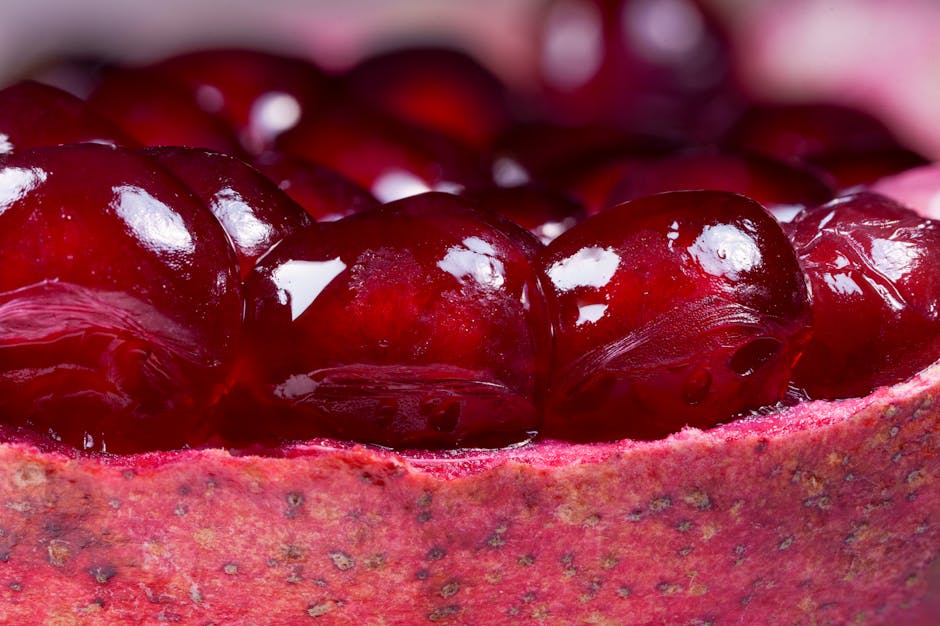
Don’t be surprised to discover that cherries, a cherished summer fruit among humans, may likewise be enjoyed by our feathered friends. Cherries are packed with vitamins and antioxidants, contributing beneficial nutrients when integrated into a duck’s diet.
– Best Practices: However, cherries should be treated as an occasional treat rather than a dietary staple. Furthermore, it’s crucial to remove cherry pits before feeding them to ducks. These pits not only pose a choking risk but also contain cyanogenic compounds, which can be toxic.
– A comparison with other commonly fed fruits shows that cherries do provide some unique benefits. For instance, their vitamin C content is higher than that of apples or pears, and they contain anthocyanins, potent antioxidants not found in most other fruits.
Potential Health Risks of Cherries for Ducks
Despite their nutritious profile, cherries carry potential health risks for ducks due primarily to their pits and leaves. The hard pits pose a choking hazard, especially for smaller birds. Moreover, both the pits and leaves contain cyanogenic compounds that could potentially lead to cyanide poisoning if ingested in large quantities.
– Harmful elements in cherries include not just the pits and leaves, but also the stems. All these must be removed before giving cherries to your ducks.
– Pro Tip: To feed cherries safely, it’s recommended to wash, pit, and cut them into small pieces that are easy for ducks to swallow.
This completes the first part of the article. Stay tuned for the continuation.
How to Safely Introduce Cherries to a Duck’s Diet
Given the potential risks and benefits, bird owners may be perplexed about introducing cherries into a duck’s diet. Feeding cherries to ducks necessitates careful preparation and monitoring, but it can be made safe and beneficial with the right approach.
– Checklist: Here are the steps to make cherries a safe and nutritious treat for your ducks:
1. Select fresh cherries. Overripe or rotten cherries may contain higher levels of harmful compounds.
2. Thoroughly wash the cherries to remove any pesticides or dirt.
3. Carefully remove the pits from each cherry. This is the most important step as the pits can be choking hazards and contain cyanide.
4. Cut the cherries into small pieces that are easy for the ducks to eat.
5. Monitor your ducks as they eat the cherries, making sure they are not struggling to swallow or showing signs of distress.
– Best Practices: After introducing cherries, keep an eye on your ducks for any changes in behavior. This includes their feeding habits, energy levels, and excretions. Rapid changes or distress signs might suggest that the cherries are not agreeing with them and they should be stopped immediately.
Signs of Cherry Overconsumption or Negative Reaction in Ducks
There is such a thing as too much of a good thing, and this holds true for ducks consuming cherries as well. While a few pieces of cherry can provide a nutritious bonus, overconsumption may lead to health complications. Hence, it’s important to know the signs of overindulgence and take appropriate action.
– Signs of distress or discomfort in ducks due to cherry overconsumption include reduced energy levels, loss of appetite, changes in the color or quantity of excretions, or any unusual behavior.
– Pro tip: If you notice any significant changes or distress signs, consider consulting a veterinary professional. It’s always better to be safe than sorry when it comes to the well-being of your ducks.
Many factors affect whether feeding cherries to ducks is a good idea, from the ducks’ general diet and health status to the quality and quantity of cherries offered. With careful preparation and mindful observation, cherry treats can provide a nutritious variation in the diet of these ever-charming birds.
Key Takeaway:
- Ducks can eat a variety of foods due to their omnivorous nature, which includes small fish, crustaceans, bugs, and certain fruits like cherries.
- Cherries can provide beneficial nutrients for ducks and can be included in their diet as an occasional treat, not a staple.
- To safely feed ducks cherries, it’s crucial to remove the pits to avoid choking hazards or toxicity.
- After introducing cherries, it’s essential to monitor ducks for any signs of distress or discomfort.
As you navigate through the world of pet bird ownership, it’s important to consider their unique dietary needs. Remember that moderation is key, and while variety adds spice to life, excessive quantities of any single food can be harmful. With mindful planning and careful monitoring, you can ensure your ducks enjoy a balanced, safe, and tasty diet.
FAQs
Q: What other fruits can I safely feed to my ducks?
A: Ducks can enjoy a variety of fruits such as grapes, bananas, and berries. However, remember to always remove any seeds or pits which can be harmful to them.
Q: Can ducks eat cherry leaves and stems?
A: No, it’s not advisable. Cherry leaves and stems, like the pits, contain cyanogenic compounds that can be harmful if consumed in large quantities.
Q: How often can I feed cherries to my ducks?
A: It’s recommended to feed cherries as treats rather than regular food. A moderate handful of cherries, served once or twice a week, should be a safe quantity.
Q: Do ducks need any special diet supplements?
A: Ducks usually get the nutrients they need from a varied diet. However, in certain circumstances, like during moulting, or for laying ducks, dietary supplements may be beneficial. Consult a vet to understand the specific needs of your ducks.
Q: Are overripe or rotten cherries safe for ducks?
A: No, overripe or rotten cherries can contain higher levels of harmful compounds. Always opt to feed fresh cherries that are free from mould and decay.
We encourage you to share this article and explore more posts on our website to enrich your understanding of your feathery friends’ needs and preferences.