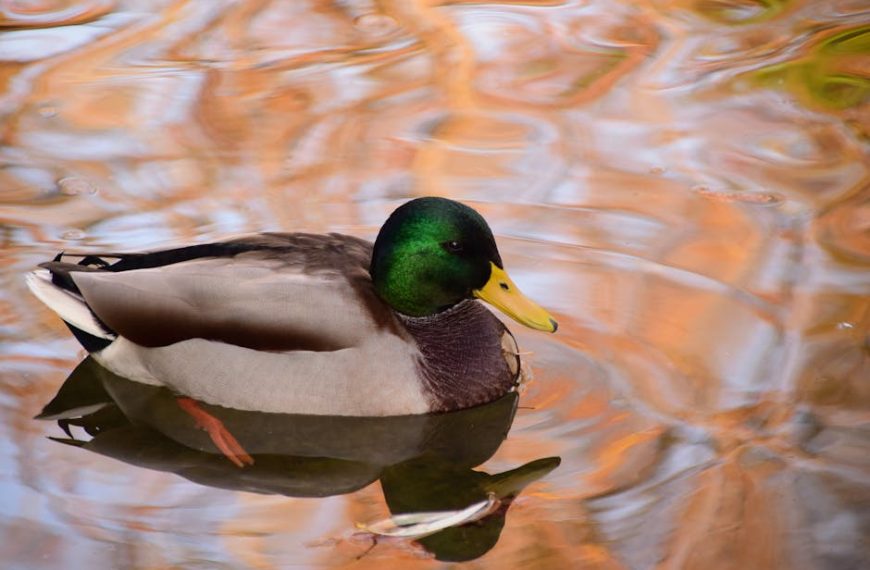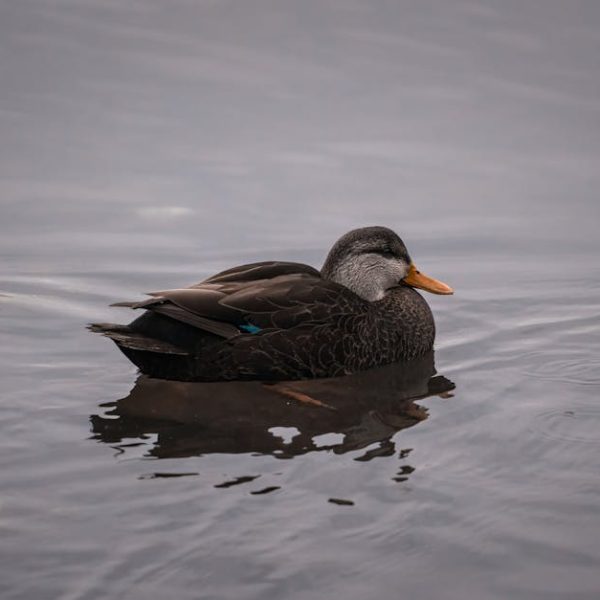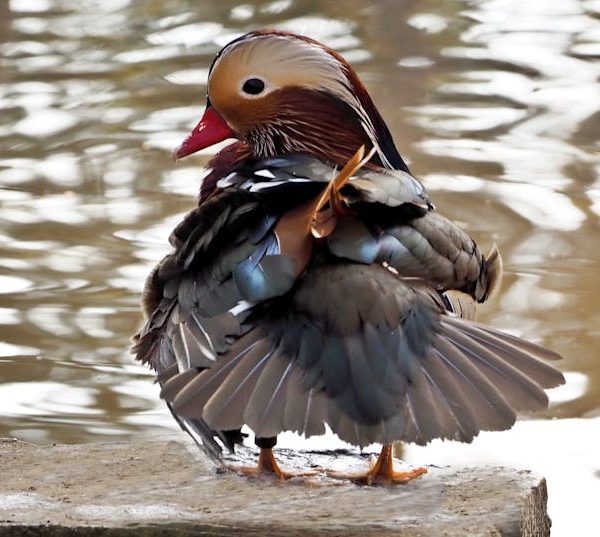

First and foremost, yes, ducks can eat kale. The vibrant leafy green is not just beneficial for us humans – it’s a nutrient powerhouse for ducks too. This article dives into the details of how kale’s nutritional value contributes to a duck’s health and well-being.
Kale Nutritional Value and its Suitability for Ducks
Not all leafy greens are created equal, and kale is proof of that. This sturdy plant is rich in vitamins A, C, and K, high in fiber, and contains essential minerals like selenium and iron. Interestingly, these nutrients have special importance in a duck’s dietary routine. Vitamin A boosts immunity and helps ducks see better in dim light, while Vitamin K helps with blood coagulation. Minerals like iron and selenium maintain general health and vitality. Now, let’s dive a bit deeper into the pertinent benefits of these nutrients.
Sub-content:
- Vitamin A: Enhances visual accuracy and boosts immunity
- Vitamin C: Safeguards against stress and infection while accelerating wound healing
- Vitamin K: Essential for blood clotting
- Selenium: Potentiates the effect of Vitamin E, a powerful antioxidant
- Iron: Boosts hemoglobin levels ensuring better oxygen delivery
Sub-content: Pro-Tip: Just as with humans, a diverse diet is crucial for ducks, too. While kale is incredibly nutritious, make sure it’s part of a balanced diet along with grains, fruits, insects, and other vegetables.
Pros and Cons of Feeding Kale to Ducks
Feeding ducks kale has its fair share of advantages. Besides providing a dense dose of key nutrients, it also helps regulate digestion due to its high fiber content. Plus, kale’s antioxidants support strong feather growth and a healthy immune system, making it a shining addition to their menu.
Nevertheless, caution should prevail as with most good things. Too much kale might risk overdosing ducks on certain nutrients, potentially leading to unfavorable conditions like hypervitaminosis or iron overload. Furthermore, raw kale is high in oxalic acid, which can interfere with calcium absorption if fed excessively.
Sub-content:
| Pros | Cons |
|---|---|
| Rich in key nutrients vital for general well-being | Potential nutrient overload |
| High fiber aids in digestion | High oxalic acid content when fed excessively |
| Antioxidants promote strong feather growth | Possible gastrointestinal issues |
But don’t let the considerations deter you; moderation and vigilance are the keys. Next, let’s talk about how to safely introduce kale into your duck’s diet.
How to Properly Feed Kale to Ducks
Sharing kale with your feathered companions isn’t complicated, yet it does require mindful preparation and feeding practices.
Step 1: Thoroughly rinse the kale under running water to remove any potential pesticides or other harmful contaminants.
Step 2: After washing, chop the kale into manageable pieces for your ducks. Tiny pieces are easier for them to consume and digest.
Step 3: Scatter the kale pieces in their feeding area at a time when your ducks are likely to be hungry, perhaps in the morning or late afternoon.
Step 4: Monitor the ducks to ensure they are eating the kale and that it is not causing any adverse reactions.
Sub-content: Pro-Tip: To enhance the tastiness of kale for your ducks, consider mixing it with other beloved treats like peas, corn, or pumpkin seeds. This could not only make kale more appealing but also ensure a varied diet.
Sub-content: Checklist: After introducing kale, watch out for changes like digestive distress, changes in feather quality, or any unusual behavior. These could be indicators of a potential problem.
Recommended Quantum of Kale in Duck Diet
It’s crucial to maintain balance when feeding kale to ducks. An excessive amount of this leafy green—though packed with nutrients—can have adverse effects.
Start by introducing small amounts of kale into your duck’s diet and observe their reaction. If they don’t show any adverse effects, you can gradually increase the amount over time. Stick to serving kale as 10-20% of their dietary intake for optimal health benefits.
Sub-content:
| Food Type | Percentage in Diet |
|---|---|
| Kale | 10%-20% |
| Grains | 50% |
| Fruits and Other Veggies | 20%-30% |
| Insects and Proteins | 10%-20% |
Sub-content: Pro-Tip: Monitor your ducks after increasing the kale quantity. Signs of overconsumption might include change in droppings color, lethargy, or decreased appetite. If any are spotted, reduce the kale quantity.
Alternatives to Kale in Duck Diet
It’s crucial for ducks to maintain a varied diet, and while kale is a fantastic addition, it’s not the only leafy green they can enjoy. Swiss chard, lettuce, and spinach are also nutritious and can provide variety to your ducks’ dietary routine.
Each of these alternatives boasts a unique nutrient profile, offering a rich mix of nutrients that promote equated health and vitality.
Sub-content:
| Leafy Green | Key Nutrients |
|---|---|
| Swiss Chard | Vitamins A, K, and C, Magnesium, and Fiber |
| Lettuce | Vitamins A, K, and C, Folate, Iron, and Fiber |
| Spinach | Vitamins A, K, and C, Iron, Magnesium, and Fiber |
Sub-content: Best Practice: Provide a mix of different leafy greens to your ducks. This promotes a balanced nutrition profile and also introduces your ducks to a diversity of tastes and textures. But always remember, moderation is key – too much of any single food can upset the nutritional balance.
Key Takeaway:
- Kale is a nutritious addition to a duck’s diet thanks to its rich profile of vitamins, fiber, and minerals.
- The inclusion of kale can enhance ducks’ overall growth, feather quality, and significantly contribute to their general well-being.
- Overconsumption of kale can lead to potential issues, so it’s important to control portion sizes and feeding frequency.
- Kale should be incorporated proportionally into the duck’s diet and mixed with other dietary components to maintain balanced nutrition.
- Aside from kale, other leafy greens like swiss chard, lettuce, and spinach can also be part of a duck’s diet, offering variety and diverse nutritional inputs.
Make your ducks’ meal times a fun and healthy experience by efficiently incorporating kale into their diet. By doing so, you’re not only promoting their health but also enhancing the variety of nutrients they receive. Remember, balance and moderation are key in offering a nutritious diet to your feathered companions.
FAQs
Q: How can I tell if my duck is overeating kale?
A: You may notice changes in your duck’s droppings, level of activity, or appetite. In such cases, it’s recommended to cut back on the kale portions and observe any changes.
Q: Can I feed my ducks only kale?
A: While kale is nutritious, ducks require a diverse diet to fulfil their nutritional needs. Ensure to mix kale with other vegetables, grains, fruits, and protein sources like insects for balanced nutrition.
Q: Is cooked kale better for ducks than raw kale?
A: Ducks can consume both raw and cooked kale. However, cooking may reduce the oxalic acid level which, if consumed excessively, can interfere with calcium absorption.
Q: What is the safest way to introduce kale into my duck’s diet?
A: Begin by offering small amounts and gradually increase the portion over time. Always observe your ducks for any changes in their behavior or physical condition during this introduction phase.
Q: What other leafy greens can I include in my duck’s diet?
A: In addition to kale, you can feed ducks Swiss chard, lettuce, and spinach. These greens offer a mix of nutrients that are beneficial for duck’s health.
Feel free to share this article with any duck owners you know, and don’t hesitate to explore more posts on our website for more insightful animal care tips.