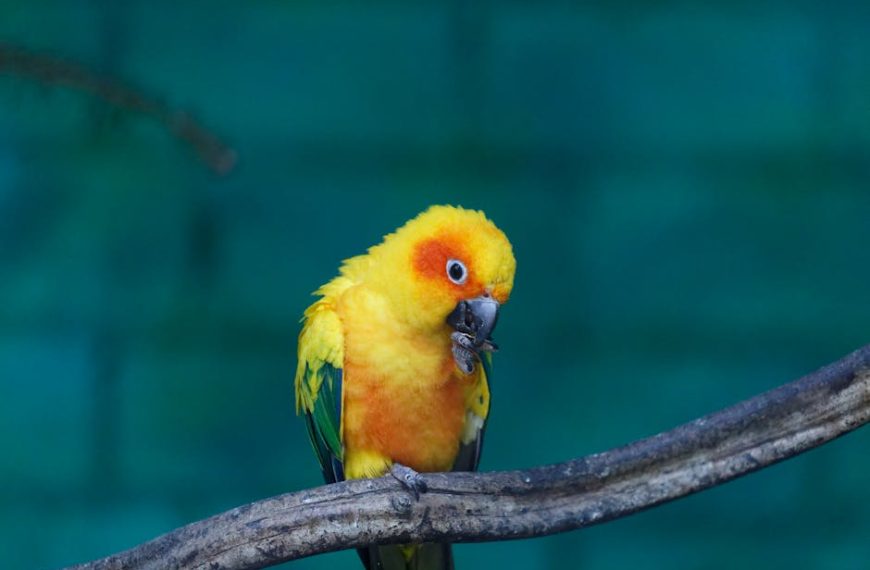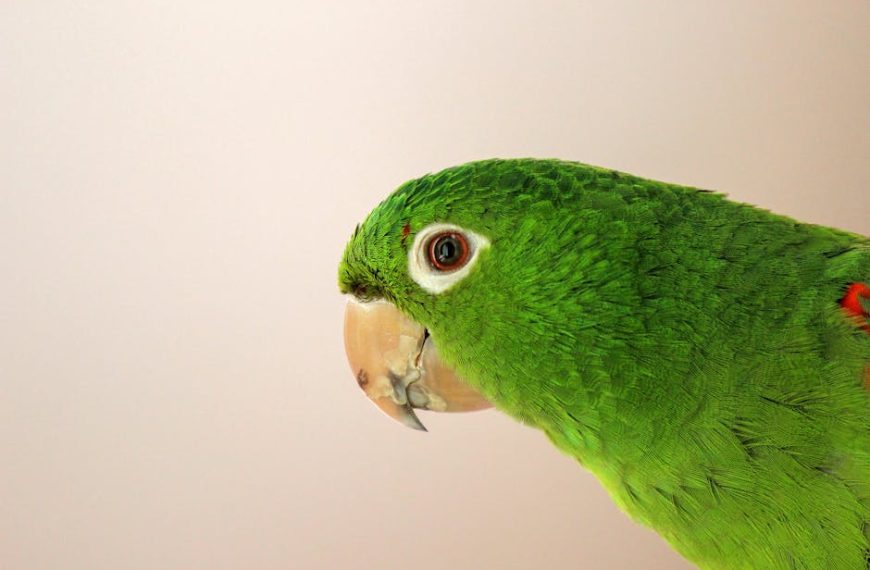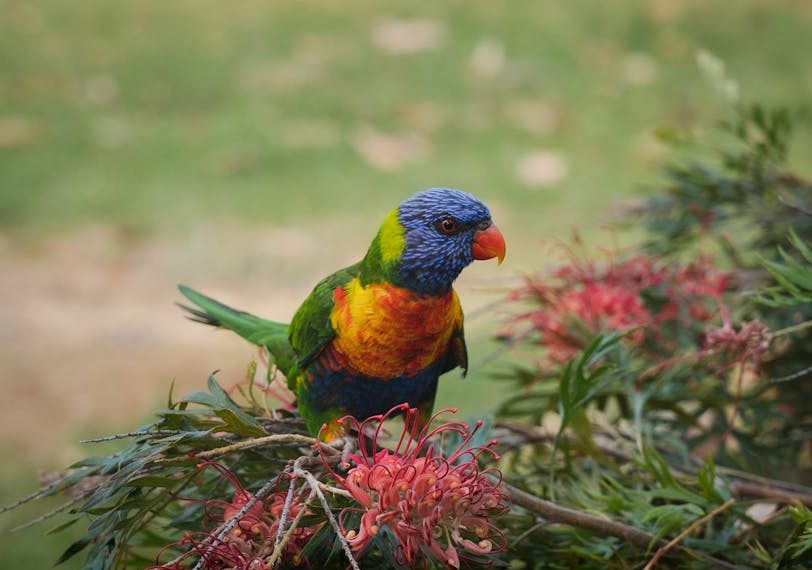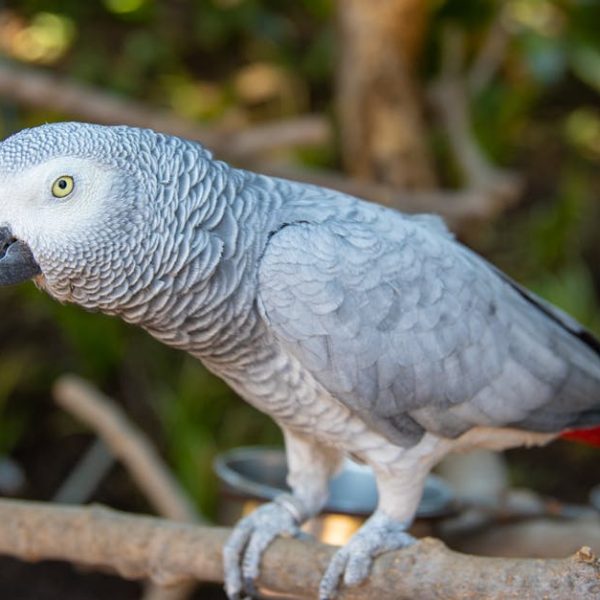
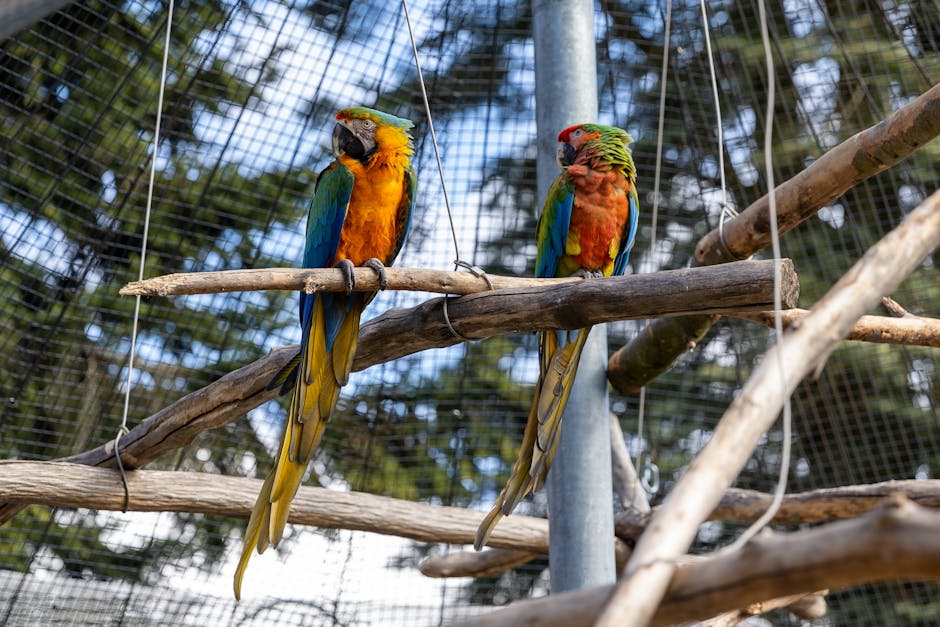
Indeed, parrots and cockatiels can safely eat raw beets; however, understanding your feathered friends’ dietary needs, the benefits of raw beets, and their potential risks are critical to ensure their optimal health and well-being. Further, grasping the proper serving methods of raw beets and knowing viable alternate vegetable options also prove important in tailoring a nutritious diet plan for these birds.
Understanding Birds’ Diet: Parrots and Cockatiels
All birds, including parrots and cockatiels, require a diverse and balanced diet for their good health. Their dietary consumption prominently features seeds and nuts, rich in essential proteins and fats. However, for a satisfactory nutrition profile, these should be complemented with a range of fruits and vegetables. Such dietary diversification ensures their intake of crucial vitamins and minerals.
– ProTip: Ensure a healthy mix of seeds, nuts, fruits, and vegetables in the daily feed of parrots and cockatiels without over-reliance on a single food type.
– Best Practices: Introduce new foods gradually and monitor your birds’ response. Always provide fresh water and replace old fruit and vegetable leftovers timely to avoid ingestion of spoiled food.
Health Benefits of Raw Beets for Birds
Beets are filled with numerous vitamins and minerals vital for birds like potassium, magnesium, and vitamins A, C, and B6. They offer a myriad of health benefits such as improved digestion assistance, an effective toxin flush, and blood pressure regulation.
– Nutrient content of raw beets:
– Potassium: 325mg
– Magnesium: 23mg
– Vitamin A: 35 IU
– Vitamin C: 4.9 mg
– Vitamin B6: 0.067 mg
– Pros: Pumping these nutrients into your feathery companions’ diet can enhance their physical vigor and longevity while decreasing the likelihood of illness.
Potential Risks of Feeding Raw Beets to Parrots and Cockatiels
While the merits of feeding raw beets to parrots and cockatiels are notable, some potential risks should not be overlooked. Beets contain oxalic acid, which, when consumed in high quantities, can result in kidney damage.
– Checklist: Watch for changes in bird behavior, alterations in droppings, or signs of pain or discomfort.
– Cons: Excessive raw beet consumption may lead to harmful health effects. As with any food, moderation and balance are key.
Safe Ways to Serve Raw Beets to Parrots and Cockatiels
Offering raw beets to your feathered friends should be done cautiously. Cut them into bird-bite sizes and ensure the pieces are fresh and thoroughly cleaned.
– Pro Tip: Offer raw beets in moderation – once or twice a week will suffice.
– Best Practices: Regularly switch up the variety in their diet to avoid any one food type’s overconsumption.
Alternative Vegetable Options for Parrots and Cockatiels
Should beets not be well-received by your birds, or you want to diversify their vegetable intake, several other options can offer similar or additional nutrition benefits. Some alternatives include spinach, bell peppers, broccoli, and kale.
– List: Other nutritious vegetables include:
– Spinach
– Bell Peppers
– Broccoli
– Kale
– Comparison: Let’s take a look at how these vegetables stack up against beets:
| Beets | Spinach | Bell Peppers | Broccoli | Kale | |
|---|---|---|---|---|---|
| Potassium | 325mg | 167mg | 175mg | 316mg | 447mg |
| Vitamin A | 35 IU | 9376 IU | 370 IU | 623 IU | 9990 IU |
| Vitamin C | 4.9mg | 28.1mg | 95.7mg | 81.2mg | 53.3mg |
| Vitamin B6 | 0.067mg | 0.195mg | 0.224mg | 0.175mg | 0.271mg |
While each alternative vegetable offers its unique set of nutrients, they all prove beneficial when integrated into a balanced bird diet. Again, variety and moderation allow for the widest nutrient spectrum without risk of overconsumption or nutritional imbalance. Cater to your birds’ individual dietary preferences while ensuring their health and vitality.
Key Takeaway:
- Parrots and cockatiels can safely consume raw beets, which provide vitamins and minerals beneficial to their health.
- Although healthy, beets contain oxalic acid that could cause kidney damage if overly fed to these birds.
- Safely serving raw beets involves cutting them into bite-sized pieces and maintaining moderation in their diet.
- A variety of vegetables such as spinach, bell peppers, broccoli, and kale can be alternative choices if beets are unavailable or not well-received.
The wellbeing of your feathered friends is paramount, and feeding them carefully chosen foods plays a major part. By understanding the nutritional value and potential risks of each food, you can provide a diverse and healthy diet for your parrots and cockatiels. Be observant and sensitive to their dietary responses, and keep shopping for what best suits their needs and preferences.
FAQs
Q: If my parrot or cockatiel does not like raw beets, can I cook them instead?
A: Yes, cooked beets are also a nutritious addition to the diet, just remember to cool them down before feeding.
Q: How do I recognize signs of kidney damage in my bird caused by overeating beets?
A: Changes in bird behavior, alterations in their droppings, or any visible signs of discomfort could indicate kidney trouble. If you observe these symptoms, consult a vet immediately.
Q: Can I start feeding raw beets to a young parrot or cockatiel?
A: Introduce beets gradually and observe how the young bird reacts. If there are no adverse reactions, you can include beets in their diet, keeping moderation in mind.
Q: Should I replace the staple foods in my bird’s diet with raw beets and other vegetables?
A: Vegetables should complement the birds’ diet, not replace the main foods such as seeds and nuts. Remember, a balanced and varied diet is the goal.
Q: Can I freeze raw beets to preserve them for feeding at a later time?
A: Yes, freezing vegetables is a common practice to prolong their freshness. However, always defrost and wash the beets properly before feeding.
Take a moment to share this article if you’ve found it informative, and explore more posts on our website to learn about the fascinating world of birds and their care!