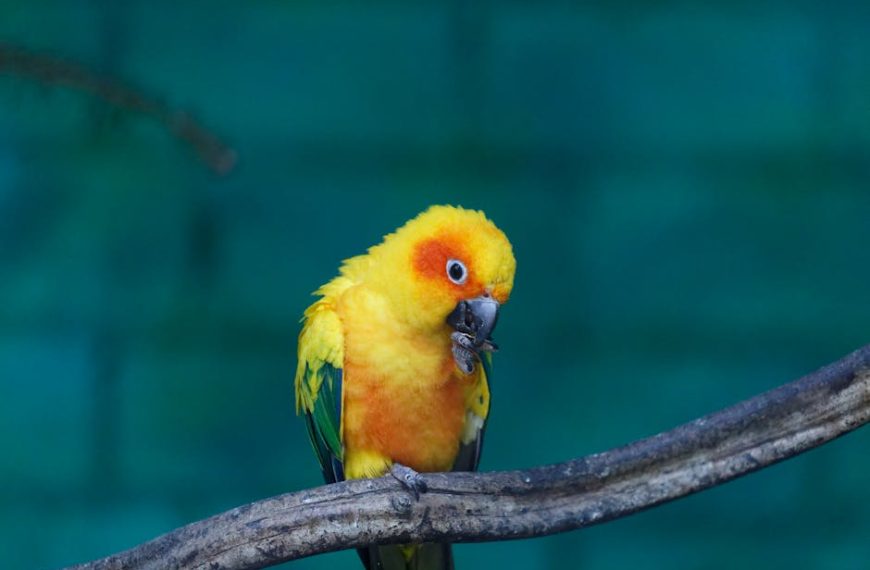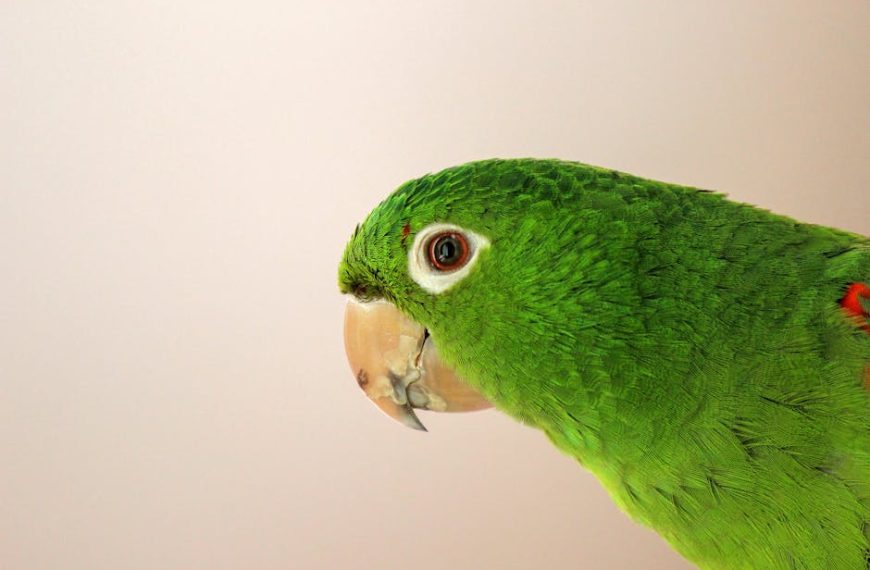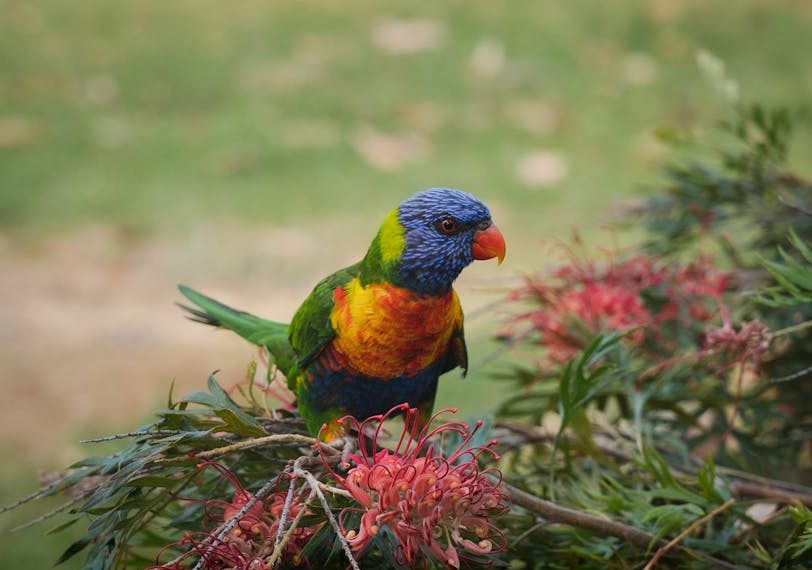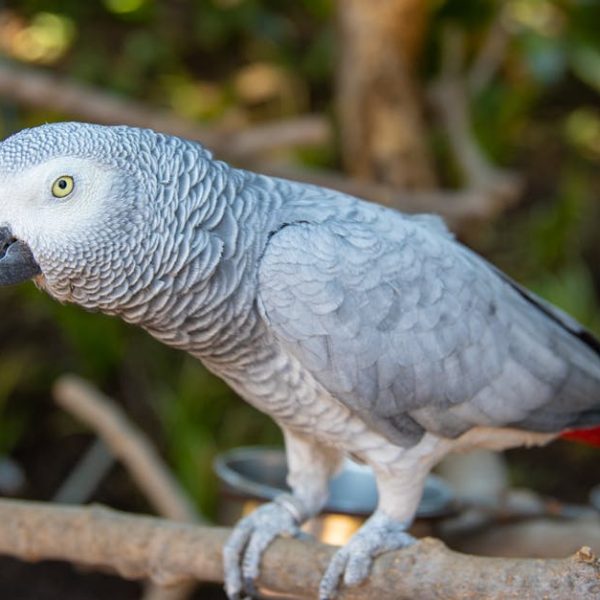
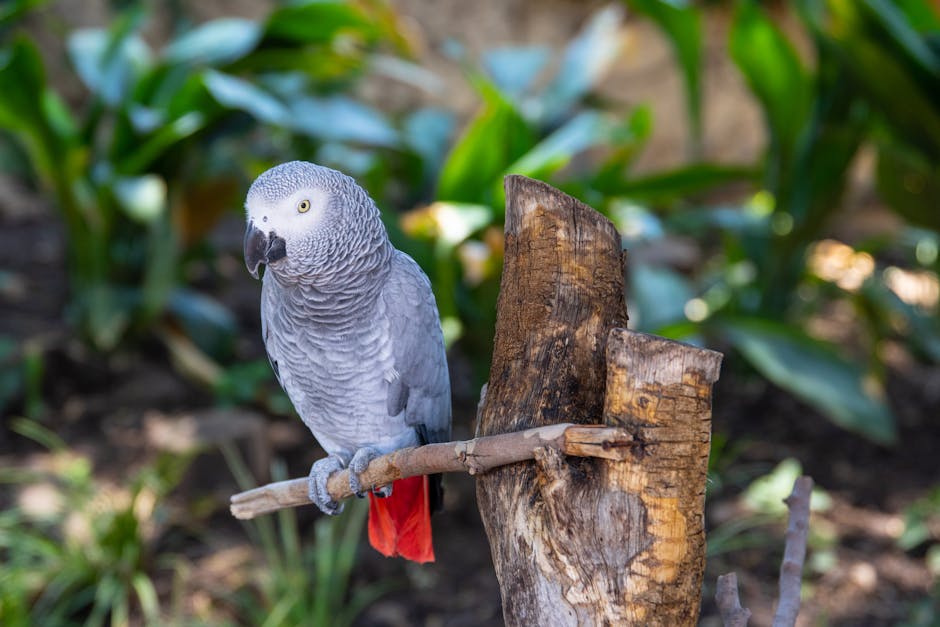
The dietary requirements of parrots are robust and integral to their overall health and wellbeing. A balanced diet is key for their longevity and energy levels, as well as their mental health and feather condition. So what should a parrot’s diet look like?
Primarily, a parrot’s meal should consist of a variety of fresh, colorful, bird-safe vegetables and fruits, and quality seeds. It is important to remember that not all seeds, fruits, and vegetables are safe, and their diet should be devoid of artificial ingredients, high-fat foods, and high-sodium dishes.
Can Parrots Eat Cherries?
When it comes to the question of feeding cherries to parrots, the answer is a resounding yes – but with caution. Parrots can enjoy the nutrient-rich cherries as a part of their diet, given that the cherries are ripe and have been prepared properly. The preparation process is crucial to ensure their safety.
Tips on Preparing Cherries ⭐
- Always pick ripe cherries: Raw or unripe cherries can be hard to digest for your feathered friend.
- Pit the cherries: Cherry pits contain cyanide, a harmful substance which can have serious health implications for parrots.
- Properly wash the cherries: This step is to remove any possible pesticide residue. Use clean, filtered water.
Risks Associated with Feeding Cherries to Parrots
While cherries do have their benefits for parrots, there are also potential risks involved. The most significant of these dangers is the cyanide present in the cherry pits. Swallowing a cherry pit could lead to cyanide poisoning, which can disrupt cellular oxygen transport, leading to serious health issues or even death.
Moreover, cherries, like other fruits, contain relatively high sugar content. When consumed in large amounts, it can lead to obesity and diabetes in parrots. Thus, while cherries can make a flavorful treat, it’s best to offer them sparingly.
Benefits of Including Cherries in a Parrot’s Diet
There’s no denying that cherries pack a nutritional punch for parrots. Rich in antioxidants, these fruits help neutralize harmful free radicals in the body, reducing inflammation and promoting overall health. Additionally, cherries are heart-healthy and contribute to maintaining a healthy immune system.
To reap these benefits without causing any potential complications, introducing cherries into your parrot’s diet should be done gradually. Start by offering small bits of fresh, pitted cherries and observe their reaction. If well-tolerated, they can be incorporated as a routine but controlled part of their diet.
Stay tuned for the next part where we will discuss viable alternatives to cherries in a parrot’s diet, complete with a comparison table of various fruits and their nutritional impact on your pet’s health.
Alternatives to Cherries in a Parrot’s Diet
As much as cherries can be beneficial to a parrot’s diet, there are also many other healthy fruit alternatives that your parrot might enjoy. These include fruits that offer a good blend of nutrients, are low in sugar, and are easy to digest.
Here is a list of some other fruits your parrot can safely consume:
- Berries: Strawberries, blueberries, and raspberries are sweet, low in sugar, and rich in antioxidants beneficial to your parrot.
- Apples: These are non-toxic, refreshing, and contain a good amount of vitamins beneficial to parrots.
- Pears: Known for their dietary fiber and vitamin content, pears are safe and beneficial for parrots.
To Conclude
Parrots can and do enjoy a variety of fruits, including cherries, which can be part of a balanced and nutritious diet. As caregivers, we must understand that introducing new foods, like cherries, must be done slowly and any changes in the bird’s behavior or health should be closely observed.
Remember, cherries come with their own set of risks, including the potential danger of cyanide exposure and high sugar content. Therefore, proceed with care, emphasizing proper cherry preparation. Although a minor part of their overall diet, fruits can bring diversity and health benefits when chosen wisely and offered in moderation.
Incorporating a variety of fruits, along with a balanced diet, can improve your parrot’s overall health and increase their lifespan. Always keep an eye on your parrot’s individual preferences and reactions to certain foods, adjusting their diet accordingly, and ensuring they have plenty of exercise and mental stimulation. A well-looked after pet parrot can live a long, healthy, and happy life!
Key Takeaway:
- A balanced diet rich in fresh fruits, vegetables, and bird-safe seeds is crucial for a parrot’s health and wellbeing.
- Parrots can indeed consume cherries, provided they are ripe and properly prepared with pits removed and thorough wash.
- The cherry pits pose a significant risk due to their cyanide content which could be potentially lethal to parrots.
- Cherries are nutrient-rich and can offer benefits such as antioxidants and anti-inflammatory properties to parrots.
- If cherries are not an option, other safe fruits like berries, apples, and pears provide a wholesome alternative.
In conclusion, feeding cherries or any other fruit to your pet parrot should be done thoughtfully with attention to preparation and portion control. Remember, variety is key to a balanced diet. Caring for your pet involves understanding their dietary needs and preferences. With mindful feeding, your parrot can enjoy a diverse diet and live a long, healthy life.
FAQs
Q: What are the other harmful fruits or nuts for parrots?
A: Avocados and chocolate are extremely toxic to parrots. Also, fruit seeds and pits (like cherries, apricots, peaches) can be harmful due to their cyanide content.
Q: How often can I feed cherries to my parrot?
A: Cherries are sweet and high in sugar; hence they should be given sparingly as a treat, not a major part of your parrot’s diet.
Q: My parrot didn’t take to cherries, should I still try to feed them?
A: Parrots, like humans, have preferences. If your parrot doesn’t seem to like cherries, there’s no need to insist. There are many other fruit alternatives you can introduce.
Q: Can parrots drink cherry juice?
A: Cherry juice, especially if store-bought, may contain added sugars and preservatives, which are not suitable for parrots. Always prefer whole, fresh fruits.
Q: How do I know if my parrot has consumed a cherry pit?
A: If you suspect your parrot may have swallowed a cherry pit, look for symptoms like difficulty breathing, bright red mucous membranes, and seizures. If you notice these signs, contact your vet immediately.
Enjoyed this article? Please share it with others and continue exploring more tips on pet care on our website.