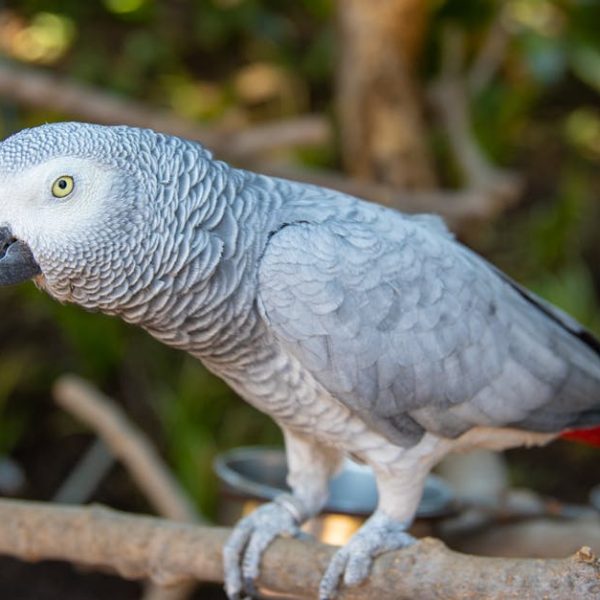
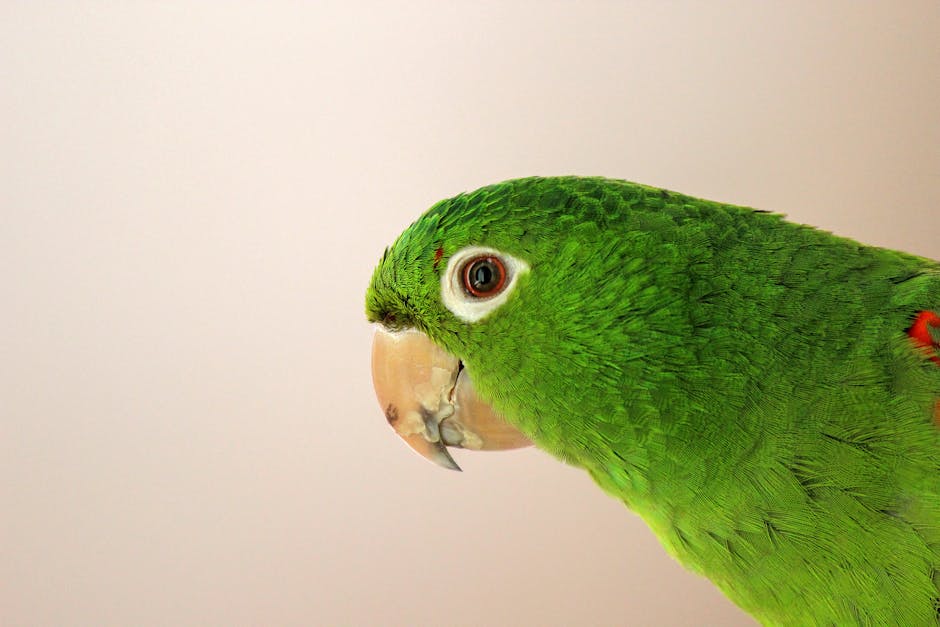
As parrot owners, it’s vital to double-check the safety of every food your feathered friend consumes. So when it comes to peas, there’s good news: parrots can definitely safely nosh on this green vegetable! Naturally low in fat and high in fiber, peas can provide a nutritionally dense addition to a parrot’s diet. However, like with all foods, moderation is key. This article will explore the benefits of feeding peas to parrots while providing useful tips to ensure your parrot enjoys these little green gems in a balanced way.
Understanding Parrots Dietary Needs
To ensure your parrot maintains optimal health, a comprehensive diet that caters to its unique needs is imperative. Much like humans, parrots require a balanced intake of proteins, fats, fiber, vitamins and minerals for a strong body, sharp mind, and brilliant plumage. Peas – being rich in dietary fiber, vitamin C, and Antioxidant Phytonutrients- can add a burst of nutrition to a parrot’s diet.
*major nutrients for parrots*
- Proteins for muscle development and feather growth
- Fats as a concentrated energy source
- Fiber for an efficient digestive process
- Vitamins and minerals for optimal health and disease prevention.
- Antioxidants for protection against free radicals.
*Pro Tip:* Provide a diverse array of fruits, vegetables, grains, and proteins for a balanced diet that can meet all your parrot’s dietary needs.
Nutritional Content of Peas
Peas are a giant in the nutritional world. Their primary nutrients include dietary fiber, vitamin A, vitamin C, vitamin K, Thiamine (vitamin B1), proteins, and manganese. Other nutrients like iron, phosphorus, folate and niacin also make an appearance, contributing to the overall health benefits of this small but mighty legume.
*Major Nutrients found in peas:*
- Dietary Fiber
- Vitamin A
- Vitamin C
- Vitamin K
- Proteins
- Manganese
*Best Practices*: Choose fresh over canned peas to ensure higher nutritional content. Additionally, boiling instead of frying preserves the nutrients in the peas better. Always rinse canned peas thoroughly before offering them to your parrot.
The Benefits of Peas for Parrots
Feeding peas to parrots can provide numerous benefits, from aiding digestion due to their high fiber content to strengthening the immune system with their vitamin C stores. Furthermore, vitamins A and K present in peas contribute to eye health and blood clotting respectively.
*Pros and Cons of Feeding Peas to Parrots*:
| Pros | Cons |
|---|---|
| High in dietary Fiber | Too much fiber can cause diarrhea in some parrots |
| Rich in Vitamin C | Some parrots may not like the taste of peas |
| Provides Vitamin A and K | Care must be taken to prepare peas properly to avoid loss of nutrients |
*Pro Tips*: Add peas to your parrot’s favorite foods to encourage eating. Start with small portions to evaluate your parrot’s reaction.
The information above provides an in-depth guide for parrot owners considering adding peas to their parrot’s diet. Remember, moderation is always key, and it is crucial to match the nutrition needs of your parrot with the right food choices. With peas, you can provide a nutrient boost your parrot will ultimately thank you for!
What to Consider when Feeding Peas to Parrots
Before you start mixing peas into your parrot’s food, there are a few factors to consider. Firstly, make sure to introduce the peas gradually. Every parrot is different and will accept new foods at a different pace. Secondly, monitor the portion sizes. While peas are healthy, they can’t replace the major components in a parrot’s diet, such as seeds, grains, and pellets.
*Signs to watch for pea allergies in parrots:*
- Increased itching and scratching
- Existence of a rash or irritation on skin
- Loss of feathers
- Changes in droppings
*Best Practices:* Introduce peas gradually and in small amounts. Monitor your parrot closely for any signs of allergies or discomfort. Always consult a vet if you notice anything unusual about your parrot’s behavior or health.
Alternative Foods for Parrots
If peas are not your parrot’s cup of tea, or if your parrot exhibits some sort of allergic reaction, don’t worry. Plenty of other food options come packed with similar nutritional value. Foods like beans, carrots, corn, spinach, and broccoli can deliver comparable nutrients to peas.
*Alternatives to peas:*
- Beans
- Carrots
- Corn
- Spinach
- Broccoli
*Peas versus Alternatives: Comparison of nutritional content*
| Food | Fiber | Vitamin A | Vitamin C | Protein |
|---|---|---|---|---|
| Peas | High | Medium | High | Medium |
| Beans | Medium | Low | Low | High |
| Carrots | Low | High | Medium | Low |
| Corn | Medium | Low | Low | Medium |
| Spinach | High | High | High | Medium |
| Broccoli | Medium | High | High | Medium |
In essence, caring for a parrot’s health involves a balance in food intake, careful observation, and always staying informed on their nutritional needs. Whether you are choosing peas or opting for another nutritious alternative, maintaining variety and balance in your parrot’s diet is key to their health and happiness.
Key Takeaway:
- Parrots can safely eat peas, as they are nutritionally dense, low in fat and high in fiber.
- Peas provide parrots with beneficial nutrients such as dietary fiber, vitamin C and antioxidants which are important for digestion, immune support, and overall health.
- Ensure to introduce peas gradually and in moderation into your parrot’s diet while keeping an eye for any allergic reactions.
- Other foods, such as beans, carrots, corn, spinach, and broccoli can be great nutritional alternatives to peas if your parrot does not take to them.
Keep your feathery friend’s health in prime condition with a balanced diet and careful monitoring. By incorporating foods like peas, you are providing optimal nutrition for your parrot while also broadening their dietary palette. Remember, it’s essential to adjust their diet as needed and consult with a veterinary professional if you notice any health changes.
FAQs
Q: What other fruits or vegetables can I safely feed my parrot?
A: Other than peas, parrots can safely eat fruits and vegetables such as apples, bananas, carrots, spinach, blueberries, and sweet potatoes. However, always introduce new foods gradually and monitor your parrot for any adverse reactions.
Q: What foods should I avoid feeding my parrot?
A: Avoid feeding your parrot avocados, chocolate, coffee, tea, alcohol, or any food high in salt, sugar, or fat. These foods can be harmful to your parrot’s health.
Q: How often should I feed my parrot peas?
A: Introduce peas into your parrot’s diet gradually and in moderation. While peas are healthy, they should not replace other important parts of your parrot’s diet such as seeds, grains, and pellets.
Q: What are the signs of pea allergies in parrots?
A: Signs of pea allergies in parrots can include increased itching and scratching, skin irritation or rash, loss of feathers, and changes in droppings. Always consult a vet if you notice anything unusual about your parrot’s behavior or health.
Q: Can I feed my parrot canned peas?
A: It is better to choose fresh peas over canned, as canned peas may contain added salt and preservatives. If you must use canned peas, rinse them thoroughly before feeding them to your parrot to remove any residual salts or preservatives.
As a faithful parrot owner, it’s important to keep learning and understanding more about their dietary needs. Share this article with other parrot enthusiasts and explore more posts on our website for comprehensive parrot care guides.