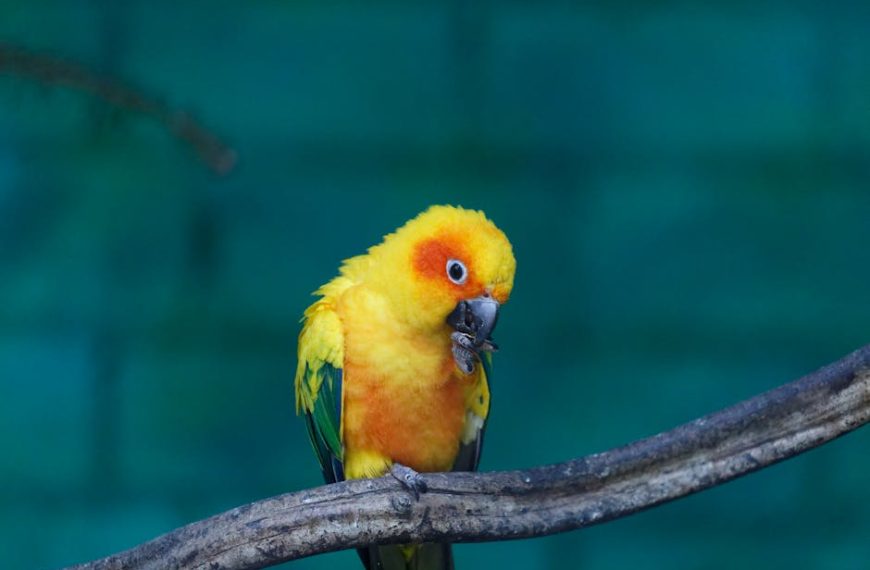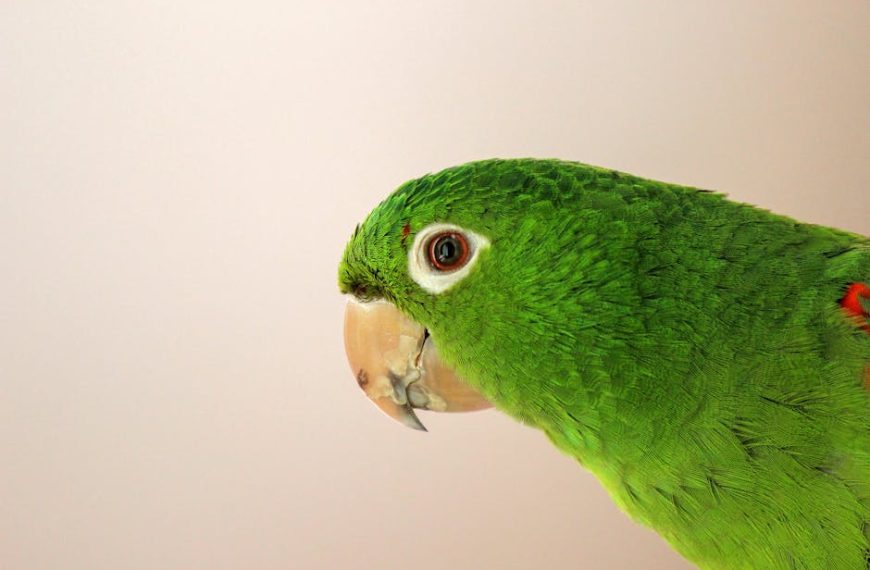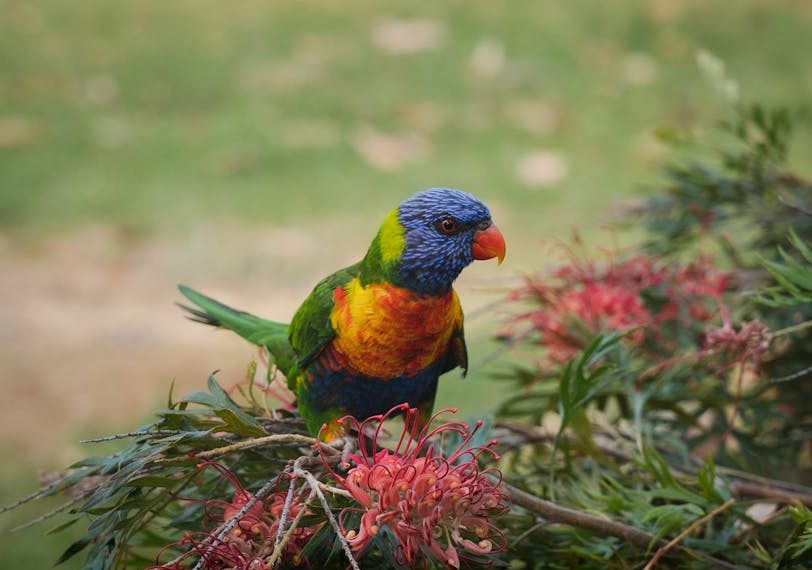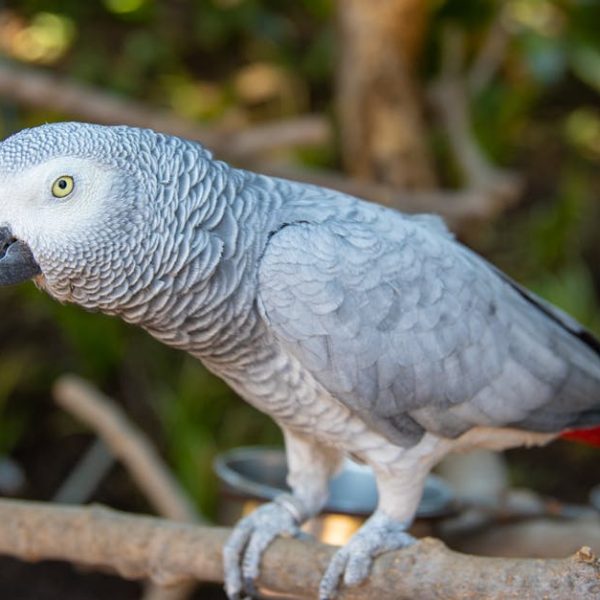
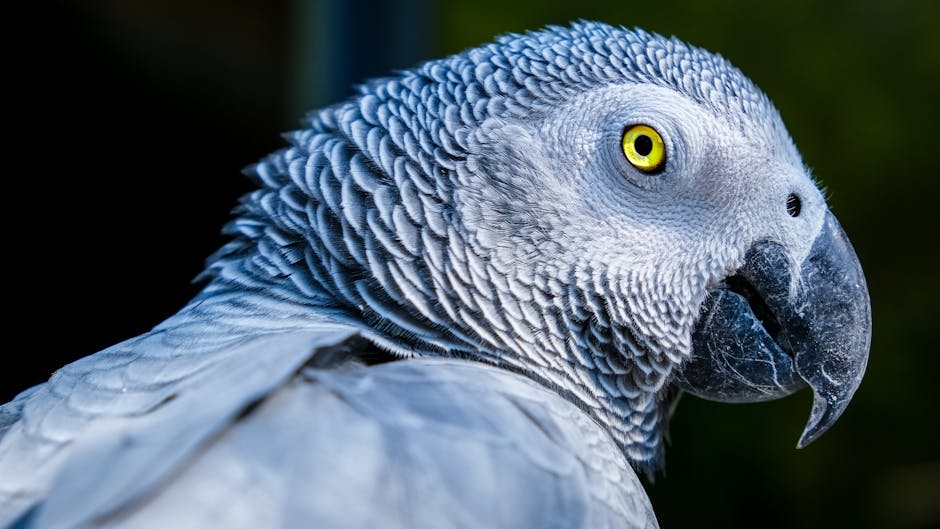
When we think of parrots, we often visualize them munching on seeds, tropical fruits, or nibbling on colorful forage and treats. But what about nuts like pistachios? Are these green gems safe for our feathered friends? To put it simply: yes, parrots can safely enjoy pistachios, but it’s not quite as simple as tossing a bag of nuts into their cage. A parrot’s diet must be carefully balanced, and pistachios should only make a small part of this bigger dietary picture. This article aims to guide you through the do’s and don’ts to ensure that these nuts can be a safe and enjoyable treat for your pet.
The Nutritional Value of Pistachios for Parrots
Just like humans, parrots benefit from a diverse diet rich in various nutrients. Ensuring your parrot gets the right vitamins and minerals is crucial for their health and well-being. Pistachios are a great source of:
- Protein: Useful for feather growth and overall health
- Healthy Fats: Good for general body function and vitality
- Antioxidants: Boots immunity and overall well-being
- Minerals: Such as magnesium, phosphorus, and potassium
However, while highly nutritious, pistachios have a high-fat content. And just like any other high-salt food, if consumed excessively, they could lead to health issues. Therefore, it’s best to feed pistachios in moderation, ideally as part of a balanced and varied diet.
Possible Risks of Feeding Pistachios to Parrots
While pistachios can be a tasty treat for parrots, they are not without their risks. One concern is the possibility of choking. Pistachios have a hard shell that could potentially be a choking hazard for your parrot. Always serve pistachios shelled and, ideally, chopped into smaller, easily manageable pieces.
Another risk is aflatoxins, a type of mold that can grow on pistachios and other nuts. It’s harmful, and in severe cases, it can be deadly for parrots. Therefore, it’s essential to buy fresh pistachios from a reliable source and check for signs of mold. If you spot any moldy pistachios, throw them away immediately.
Lastly, while these nuts are nutritious, they are high in fat. Overconsumption could lead to obesity and associated health problems, including heart disease. Therefore, it’s crucial to control the portion sizes you give to your parrot.
The Role of Moderation in Feeding Pistachios to Parrots
Despite the potential risks, pistachios can still be part of your parrot’s diet when fed in moderation. The key here is to make sure pistachios are provided as a treat, rather than making up a significant part of their daily food intake.
Size of the parrot matters, as smaller species require less food. For instance, an African grey parrot could consume a few pistachios, while a smaller budgie should only get a few bites. Always monitor your parrot’s response to any new introduced food and adjust the diet accordingly.
The world of nuts provides a vast variety of options that can also be included in a parrot’s diet. Almonds, cashews, and walnuts are alternatives that offer similar nutritional benefits without the potential hazards of pistachios.
Preparing Pistachios for Your Parrot
When it comes to preparing pistachios for your birds, safety should always come first. Follow these tips to ensure that your parrot enjoys its treat without any hitch:
- Make sure to remove the shells: As mentioned earlier, a shelled pistachio can be a potential choking hazard for your feathered friend.
- Check for any sign of mold: Moldy pistachios are a no-go for parrots. These can contain harmful aflatoxins dangerous to their health.
- Adjust the portion size: Remember, size matters! Smaller parrots should be given smaller amounts.
- Test the freshness: To check if pistachios are still fresh, use the ‘float test.’ Toss a handful of nuts in a bowl of water – sinkers are good, floaters should go to the bin!
The issue of cooked vs. raw pistachios also merits some consideration. Raw pistachios retain more nutrients and are generally safe for parrots. However, cooking can help eliminate potential contaminants. Decide what’s best given your parrot’s overall diet and even their personal preference!
Detecting and Responding to Allergic Reactions in Parrots
Although allergic reactions in parrots are relatively rare, they can happen. Signs of an allergic reaction might include:
- Skin irritation
- Diarrhea
- Vomiting
- Change in behavior (lethargy, lack of appetite)
If your parrot displays any of these symptoms after eating pistachios, stop feeding them the nut and consult a vet for advice.
One good practice is introducing new foods, like pistachios, slowly and in small amounts. This way, you can observe your parrot’s reaction and stop feeding the nuts if signs of allergic reactions or discomfort appear.
In the end, while pistachios can be safe and enjoyable treats for parrots, it’s important to feed them these nuts in moderation while staying vigilant for potential health risks. With careful preparation, moderation, and keen observation, pistachios can be included in your parrot’s diversified diet without harm. And remember – when in doubt, always consult with your vet!
Key Takeaway:
- Pistachios are nutritious but also high in fat. They can be safely fed to parrots when given in moderation and not as a significant part of their daily diet.
- Choking hazards and aflatoxins are some risks associated with feeding pistachios to parrots. Hence, pistachios should be served shelled, chopped into small pieces, and checked for mould.
- Moderation is essential in feeding parrots pistachios. Size and variety matter.
- Pistachios can be safely prepared for parrots by removing the shells, examining for mould and adjusting portions.
- Recognizing the signs of an allergic reaction in parrots is crucial, like skin irritation or abnormal behaviour.
Keep your feathered friend happy and healthy. Pistachios can be a nutritious treat for your parrot to enjoy when prepared carefully, given in moderation, and complemented with a balanced diet. Continue to monitor any changes after introducing the new food and consult with a vet when in doubt.
FAQs
Q: My parrot swallowed a pistachio shell, what should I do?
A: Monitor your parrot closely for signs of discomfort. If you notice changes in eating, vocalizing or defecating, contact your vet immediately.
Q: How often should I feed my parrot pistachios?
A: Pistachios are high in fat, so they should only make up a small portion of your parrot’s diet and be given occasionally.
Q: Can I give my parrot other types of nuts besides pistachios?
A: Yes, other nuts such as almonds and cashews can be a good source of nutrients for parrots and offer variety in their diet.
Q: What is the best way to introduce new food to my parrot’s diet?
A: Introduce new foods slowly, in small amounts, and closely monitor your parrot’s reaction during this period.
Q: What are the signs my parrot might be allergic to pistachios?
A: Signs of allergy could include skin irritation, diarrhea, vomiting, or changes in behavior. If you notice any of these symptoms, stop feeding them the nuts and consult a vet immediately.
Remember to share this article with other bird lovers. Keep exploring our site for more insightful posts about caring for your fond companions.