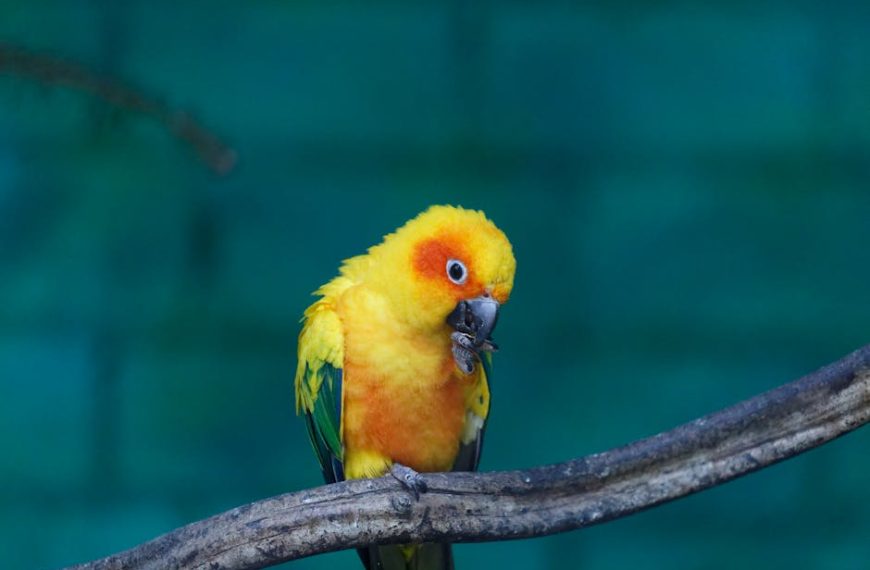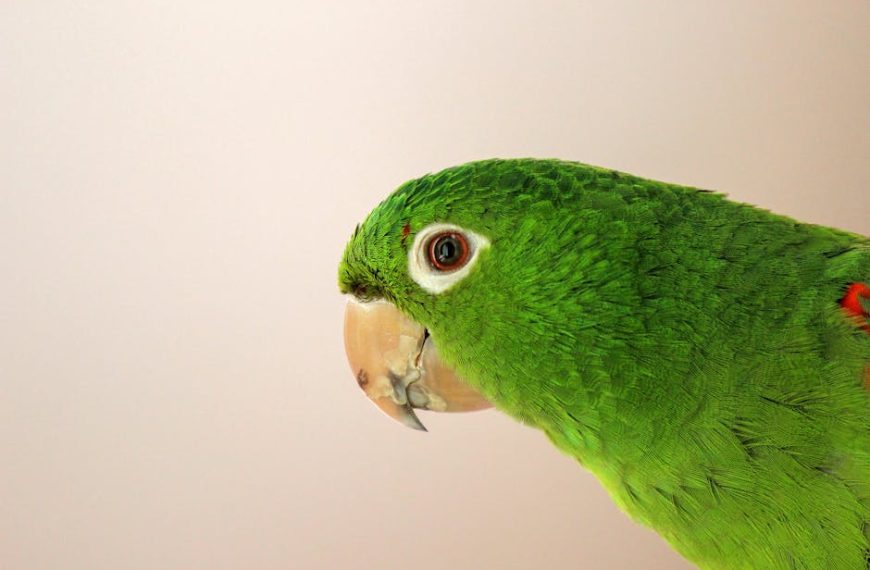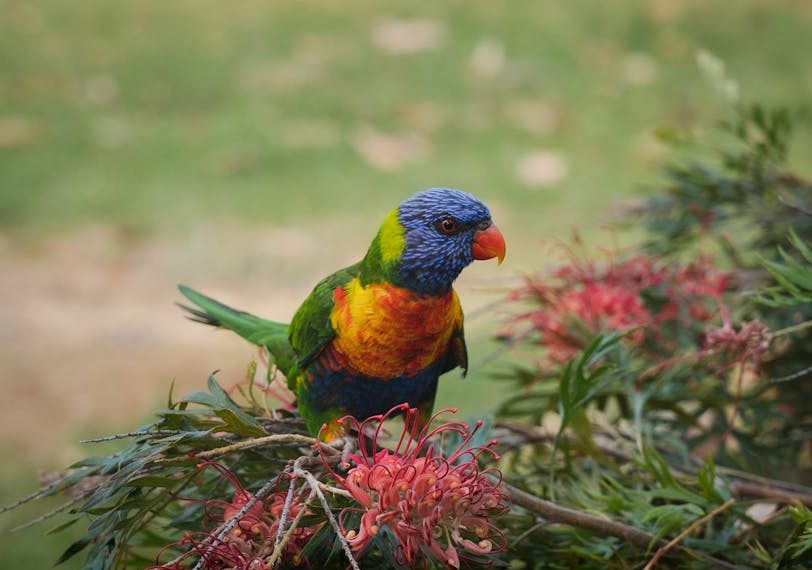
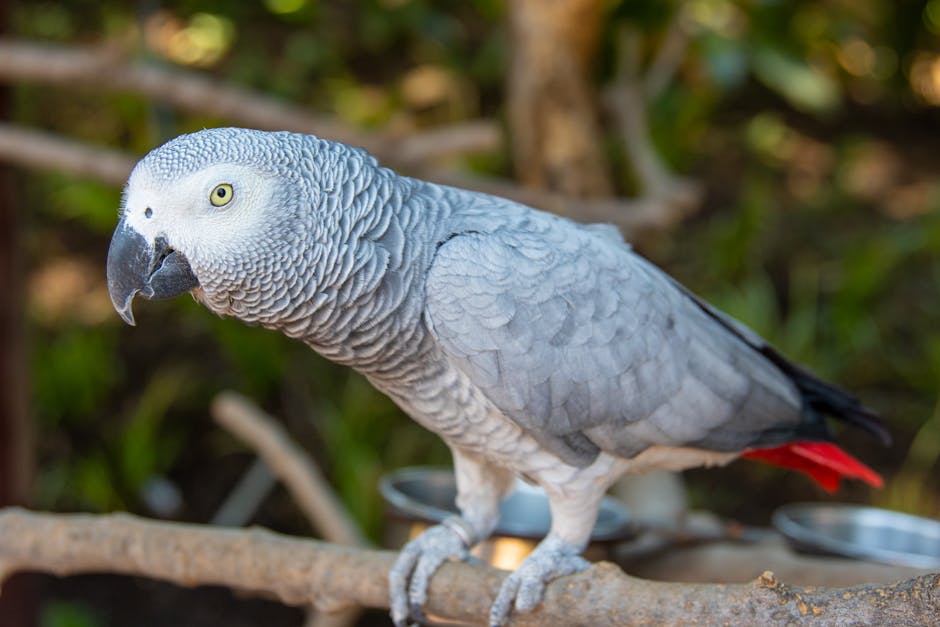
Anyone who’s ever had the pleasure of owning a parrot knows very well the extensive and detailed nature of their dietary needs. By nature, these colorful birds embrace a diverse diet ranging from fruits and vegetables to seeds and flowers. However, the chief concern for any parrot owner revolves around identifying what’s edible and what’s not for their feathered friend. Let’s deep-dive into the world of parrot nutrition and examine if we can safely offer tomatoes to our parrot companions.
Understanding a Parrot’s Diet
Parrots, by nature, are omnivores and their diet in the wild typically consists of fruit, vegetables, seeds, and insects. They prefer foods rich in vitamin A and calcium — crucial nutrients for the bird’s overall health. However, not all foods that humans find tasty and nutritious are safe for parrots. Some foods, such as chocolate and avocado, are toxic to these birds. In contrast, others like papaya and carrots are entirely safe and beneficial.
Best practice entails introducing new food items slowly to the parrot’s diet. Observe their response to these changes — including digestive or behavioral alterations — to ensure the parrot accepts and benefits from new additions.
Basic Properties of Tomatoes
Tomatoes are nutrient-powerhouses, popular for their high content of antioxidants, vitamins, and minerals. Notably, the lycopene in tomatoes has been associated with various health benefits in humans, such as reduced risk of heart disease. Tomatoes also carry some risks, like their isolectin content which can cause discomfort in people with sensitive stomachs, though these are predominantly human-related concerns.
Pro Tip: Always choose ripe, fresh tomatoes for your pet. Unripe tomatoes contain a higher level of solanine, which can be harmful if ingested in large quantities.
Tomatoes and Parrots: Is it Safe?
The safety of feeding tomatoes to parrots is widely debated. Some researchers and veterinarians argue against including tomatoes in a parrot’s diet due to their acidic nature, which can lead to digestive discomfort in parrots. On the other hand, some parrot enthusiasts and experts argue that tomatoes can be a negligible part of the parrot’s diet.
When considering feeding tomatoes to parrots, observe the bird for any unusual behavior or symptoms, like feather plucking, change in droppings, or loss of appetite, which could suggest that the bird is not reacting well to the new food.
Potential Risks of Tomatoes for Parrots
The two primary concerns with feeding tomatoes to parrots are their acidic nature and the presence of solanine and tomatine in the plant’s leaves and stems. Over time, the acidity in tomatoes can potentially disturb the parrot’s pH equilibrium leading to discomfort and digestive issues.
Pro Tip: Ensure you’re serving only the tomato’s flesh to your parrot, excluding the leaves and stem, which contain higher amounts of solanine and tomatine. Tomatoes should be thoroughly washed and chopped into appropriate sizes for the bird’s beak.
Feeding Tomatoes to Parrots: Best Practices
If you opt to include tomatoes in your parrot’s diet, it is important to do so moderately. As a general rule of thumb, tomatoes should not exceed more than 10% of their diet. Make sure the portions are bite-sized, and tomatoes are introduced along with an array of other fruits and vegetables.
Note though that not all parrots will respond to tomatoes the same. Differences in species, age, and individual health can drastically influence their reaction. Still, with careful observation and moderation, tomatoes can form an occasional treat for your parrot without causing harm.
Can Parrots Eat Tomatoes? Exploring Tomato Safety for Parrots
When caring for a parrot, their diet is one of the most crucial aspects to consider. These avian pets are omnivorous by nature, feasting on a variety of fruits, vegetables, seeds, and insects in the wild. Adapting their varied diet to a home setting, however, requires knowledge, caution, and balance. A common doubt amongst parrot owners is whether tomatoes are a safe choice for these cheerful creatures. Hence, this article explores the relationship between parrots and tomatoes to ensure informed, safe dietary choices for your feathered companions.
Understanding a Parrot’s Diet
Parrots are a vibrant and diverse group of birds with an equally varied diet. In their natural habitat, they consume everything from fruits and vegetables to seeds and insects. Fresh fruits and vegetables are particularly essential to their diet, supplying them with necessary vitamins and minerals. Some best loved and safe choices include apples, bananas, carrots, broccoli, and leafy greens among others.
However, not all foods that humans consume are suitable for parrots. For instance, avocados and chocolate are toxic to parrots, while alcohol and caffeinated beverages can lead to severe health issues.
Best practices while introducing new foods to parrots include:
– Gradual introduction of new foods
– Careful observation of their responses
– Examination of their stool to detect any digestive issues
– Immediate removal of the food from their diet if there is any adverse reaction
Basic Properties of Tomatoes
Tomatoes are highly nutritious, boasting of potent antioxidants, essential vitamins, and minerals. Particularly known for their lycopene content, tomatoes have been linked to numerous health benefits in humans. However, tomatoes can also have certain potential drawbacks in a general dietary context, such as:
- Their acidic nature
- Presence of natural toxins in their leaves and stems
Pro Tip: When selecting tomatoes, always opt for ones that are ripe and fresh as the level of toxins decreases as they ripen.
Tomatoes and Parrots: Is it Safe?
The question of whether parrots can safely consume tomatoes is often disputed. While some argue against it due to their acid content and the presence of natural toxins in their green parts, others suggest that as long as it’s in moderation and only the fruit part is offered, it’s safe.
When introducing tomatoes, it’s advisable to:
– Start with small amounts
– Monitor for adverse reactions like change in stool, lack of appetite, or unusual behavior
– Immediately stop offering tomatoes if any adverse reaction is observed
Potential Risks of Tomatoes for Parrots
Despite their nutritional profile, tomatoes pose certain risks for parrots. The acidity in tomatoes can be troublesome, potentially affecting a parrot’s delicate pH balance. Additionally, the green parts of the plant (leaves and stems) house solanine and tomatine, two toxins that can be harmful to parrots.
Pro Tip: To reduce risks, it’s important to:
– Only offer the fruit part of the tomato
– Ensure tomatoes are thoroughly washed
– Chop them into bite-sized pieces before serving
Feeding Tomatoes to Parrots: Best Practices
If you decide to include tomatoes in your parrot’s diet, moderation is key. Tomatoes should only make up a small portion (around 10%) of their overall diet. The size and frequency of serving should be appropriate, and tomatoes should ideally be served alongside an array of other fruits and vegetables.
Consider that parrot species and individuals can vary significantly in their responses to foods. Hence, what may work for one bird might not go down well with another. Careful observation, moderation, and diversity in diet will ensure your parrot can safely enjoy a range of foods without any nutritional deficiency or health risks.
Key Takeaway:
- Parrots have a diverse diet in the wild but not all human foods are suitable for them.
- Tomatoes are nutritious but have a high acid content, which can disrupt a parrot’s pH balance.
- Green parts of the tomato plant contain harmful toxins such as solanine and tomatine.
- If deemed safe, tomatoes should constitute no more than 10% of a parrot’s diet and must be served in bite-sized portions.
While the subject of feeding tomatoes to parrots has varying views, remember to always introduce any new diet component in moderation and closely observe any changes in your bird’s behavior. Draw from the wealth of available information and always consult your vet when unsure. Ensure a variety of fruits, vegetables and seeds in their diet for the health and happiness of your feathered friend!
FAQs
Q: Are there specific tomato varieties that are more suitable for parrots?
A: It’s not about the variety, but the ripeness and the parts of the tomato you feed your parrot. Always ensure the tomato is ripe and only feed them the fruit part, not the leaves or stems.
Q: What symptoms should I look out for if my parrot reacts negatively to tomatoes?
A: Watch for changes in behavior, appetite, plumage, or droppings, and consult your vet if you notice anything unusual.
Q: How often can I safely feed tomatoes to my parrot?
A: While there’s no strict rule, tomatoes should not make up more than 10% of a parrot’s diet.
Q: Can I mix tomatoes with other fruits and vegetables in my parrot’s diet?
A: Yes, it’s recommended to provide a diverse diet for your parrot. However, always introduce new foods slowly and monitor their responses.
Q: Can the acidity in tomatoes harm my parrot?
A: Yes. While many birds can handle some acidity, excessive amounts can disturb their pH balance, leading to potential health problems.
We encourage readers to share this article and delve further into our posts for more insights on pet care. Explore our blog for more valuable knowledge that can help you take better care of your feathered friends!