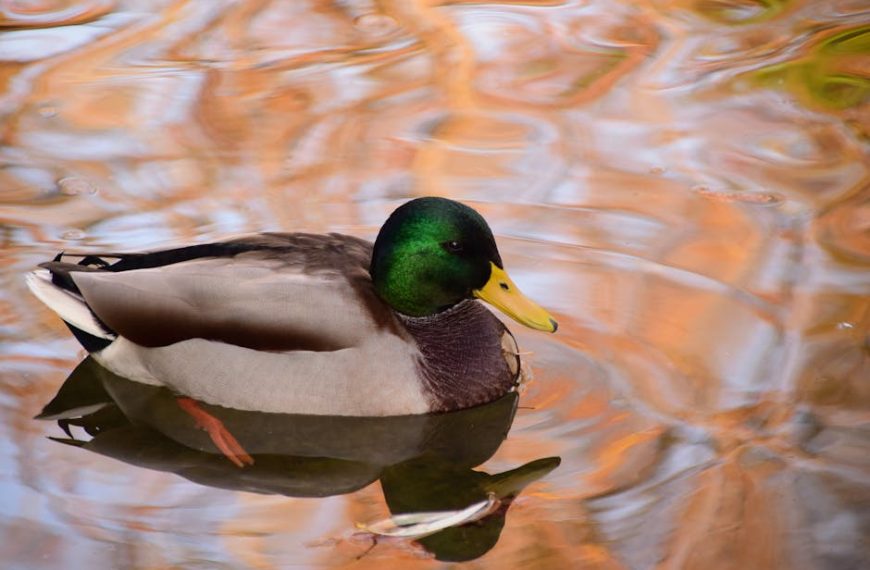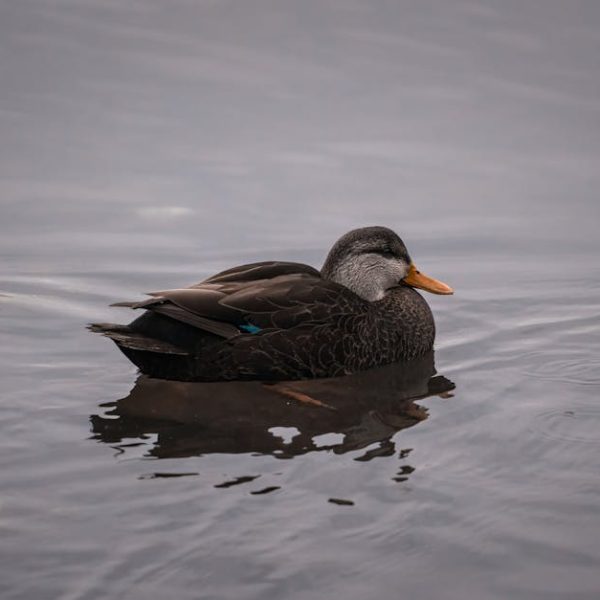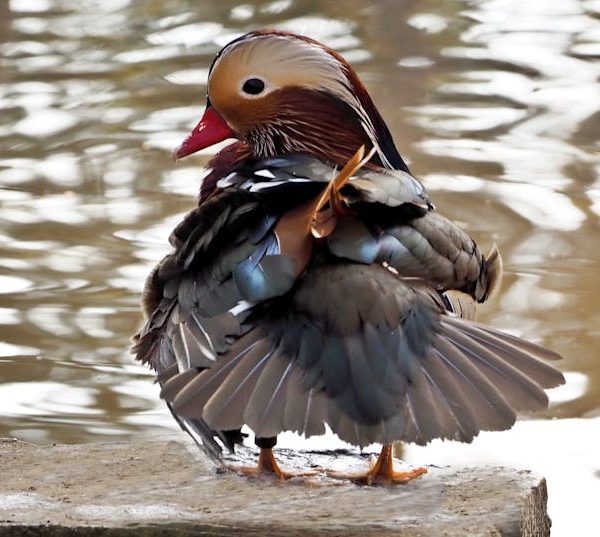
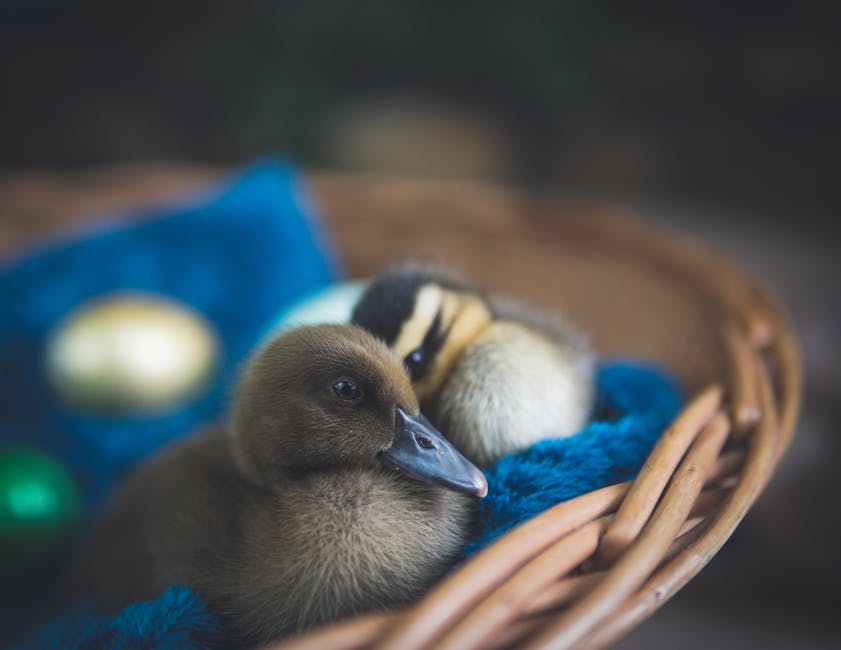
When you hear ducks, one might immediately think of peaceful bodies of water with webbed footed friends happily dilly-dallying, greedy bread snatching or dipping in and out of the water in search of delicious aquatic plants or insects. But, mice? Now, that’s not usually on the menu! Ducks, however, are surprisingly versatile eaters. So, let’s dive into the seemingly quirky course of a duck’s dietary trajectory.
Understanding the Diet of a Duck
Primarily known as dabbling ducks, most species gracefully tip themselves up in the water to forage under the surface for plant matter and small aquatic creatures. Ducks are, in fact, omnivores, receiving nutrition from both plant and animal sources. Like most animals, the specifics of their diet are governed by various factors, including species, region, season, and the availability of food sources.
The common foods observed in a duck’s diet can widely range from greens, fruits, grains, and legumes to worms, snails, and small crustaceans. Domesticated ducks, much like their wild counterparts, follow a similar diet pattern while also being fed commercial feed for balanced nutrition.
Best Practice: If you are a hobbyist or a farmer, feeding a balanced diet that respects the duck’s natural tendencies and dietary needs is crucial for their health and wellbeing.
Can Ducks Hunt and Eat Mice?
Did you just twitch at the thought of a duck hunting a mouse? While it seems out of character for these quaint creatures, certain conditions or ducks species may drive them to small mammals in search of sustenance.
In terms of physical capability, ducks have the necessary tools – a stout body, webbed feet for propulsion, and a strong bill for capturing and killing. Ducks can be surprisingly quick in response and are equipped with strong instincts.
The effort and risk involved in hunting, in addition to the availability of easier food sources, often outweigh the benefits. However, certain conditions such as high competition for food or limited supply could lead ducks to chase down a mouse.
Pro tip: Larger, hardier species like the Muscovy ducks are more likely to resort to hunting small mammals due to a combination of their size, natural habitat and aggressive nature.
Following this is the section about the phenomenon of ducks eating mice, what it means for the health of ducks, and their role in the ecosystem regarding this unusual eating behavior. This extensively covers what one needs to know when dealing with ducks and their potentially surprising dietary adaptations!
The Phenomenon of Ducks Eating Mice
Witnessing a duck hunting a mouse in the open field is a sight of astonishment for many. Skeptics may argue that such behaviour is the result of human encroachment and alteration of natural habitats that place ducks in survival mode. However, it’s also possible that this is a manifestation of the estimated 70 million years of predatory behavior that predates even their divergence from dinosaur ancestors.
So, what prompts a duck to turn towards a mouse? The surge in predatory behavior is likely due to circumstances such as lack of available food, increased competition, or drastic environmental changes that force them to widen their dietary spectrum. It should be noted, however, that not every duck is built for such predatory instincts.
| Plant-based diet of a duck | Small mammal-like mouse |
|---|---|
| Rich in fibers, vitamins and minerals | High in protein and some essential vitamins |
| Lower in fats and proteins | Higher in fats |
| Easy to digest | May pose digestive issues |
Checklist: To observe if your ducks are stepping into the world of hunting small mammals, watch out for behavioral changes such as:
- Aggressive or stressed behavior
- Reduced interest in their regular diet
- Significant weight change
The Impact on Ducks’ Health When Consuming Mice
Eating mice introduces a much higher amount of protein and fats into a duck’s diet. While protein is beneficial for feather and muscle development, excess fat can lead to health issues like obesity or fatty liver disease. Moreover, mice can carry parasites that can infect a duck’s digestive system, although the risk is relatively lower in a natural habitat.
Pro Tip: Regular health checkups and mindful observation are essential to identify any unusual behavior or physical changes in ducks. Swift intervention can prevent severe health complications.
Ecological Impact of Ducks Eating Mice
Ducks eating mice can change the food-chain dynamics and help control rodent populations. However, excessive predation can unbalance an ecosystem, leading to declining species and the potential upset of ecosystem equilibrium.
| Ducks eating mice | Other predators in the ecosystem |
|---|---|
| Controls rodent population | Controls both rodent and duck population |
| Feeds mostly in water bodies | Feeds in various habitats |
| Eats other small aquatic creatures | Other predators may not have water body food source |
Best Practice: As a wildlife enthusiast or a duck owner, maintaining a healthy, diverse diet for your ducks can discourage them from resorting to mice as a food source, thus respecting the natural balance of the ecosystem.
In conclusion, the phenomenon of ducks eating mice is unusual yet intriguing, shedding light on the adaption and survival mechanisms of these versatile creatures. Always remember, every animal plays a vital role in nature, and sometimes, survival calls for surprising actions.
Key Takeaway:
- Ducks are omnivores whose dietary habits depend largely on species, region, season, and food availability.
- It is unusual for ducks to eat mice, but in circumstances of massive environmental change or scarcity of food, they can broaden their prey selection for survival.
- Ducks have physical traits and instincts that enable them to hunt small mammals like mice.
- Consuming mice could lead to certain health risks for ducks, though it might also provide them with additional needed nutrition.
- From an ecological standpoint, ducks eating mice can help in rodent population control, altering food-chain dynamics.
Adapting to environmental changes is a part of survival. Ducks eating mice is a notable example of how robust the survival instinct and adaptability of nature can be. If you own ducks or are interested in their behavior, remember to monitor their eating habits regularly and cater to their dietary needs in a balanced manner to ensure their optimal health.
FAQs
Q: What exactly are omnivores?
A: Omnivores are animals that can consume and obtain nutrients from both plant-based and animal-based food sources. Ducks fall into this category.
Q: Are the health risks the same for all ducks that eat mice?
A: Not necessarily. Health risks can vary depending on the species of the duck, its overall health, and its natural diet.
Q: Other than mice, what other types of small mammals could a duck potentially eat?
A: Ducks can potentially eat other small mammals like voles or baby rats, but this behavior is not common and mostly driven by extreme circumstances.
Q: Could witnessing a duck eat a mouse be a sign of an imbalanced ecosystem?
A: It could be. When an animal as typically non-predatory as a duck resorts to hunting, it could indicate an issue with food scarcity, thus signifying a broader ecological imbalance.
Q: Are there measures I can take to prevent my ducks from hunting mice?
A: Yes, ensuring a varied, balanced diet that satisfies a duck’s nutritional requirements is crucial. This will reduce their need to hunt for sustenance. Routine health checks can also help identify any related health issues early.
Feel free to share this article and explore more posts on our website to understand the fascinating world of animals even better.