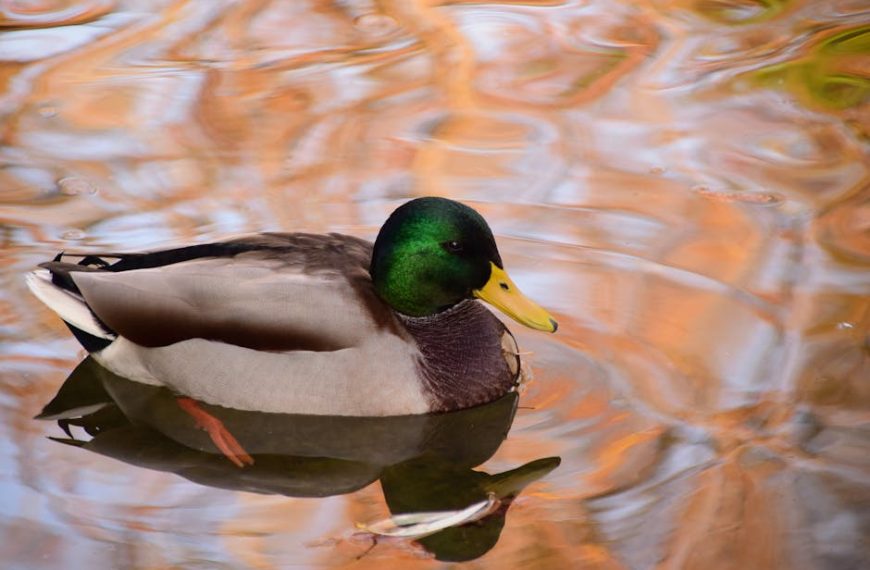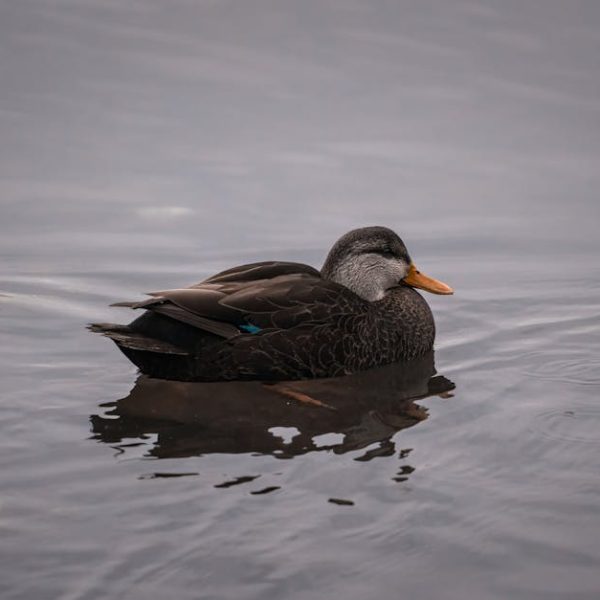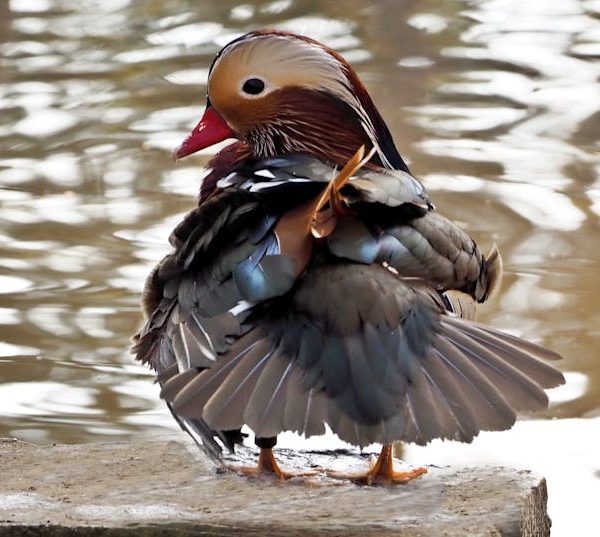
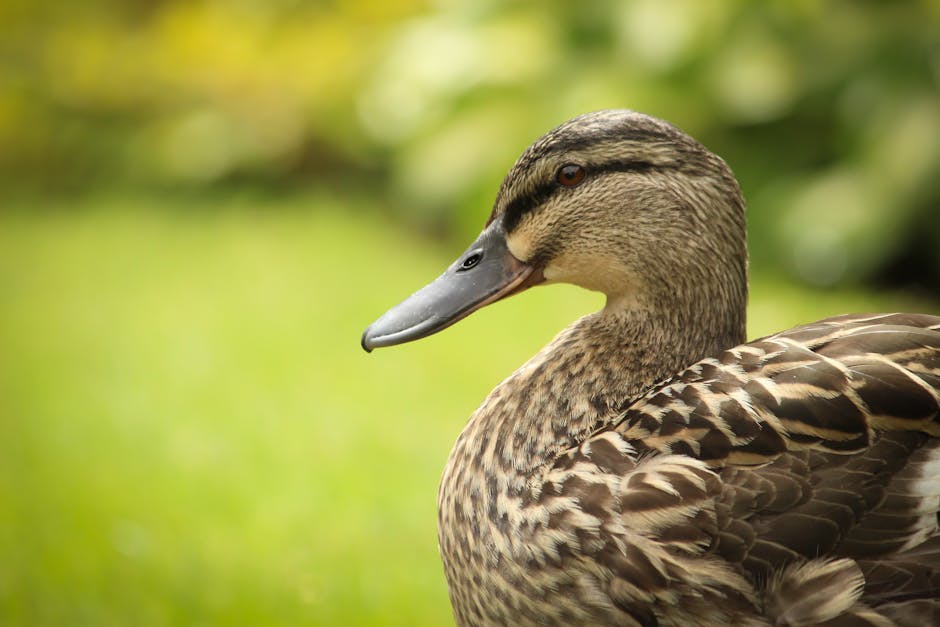
Ducks sure can eat peanuts, but before you go tossing a bag of mixed nuts into your local duck pond, there are some things you should know. Peanuts can act like a special treat for ducks, much like how humans enjoy devouring a bar of chocolate. However, peanuts should never make up the majority of a duck’s diet, and there are indeed some key factors to consider such as their digestive system, the nutritional values of peanuts, and potential health risks. So, let’s dive beak-first into this nutty subject matter.
Diet Requirements of Ducks
Ducks are omnivores, which means they eat both plant and animal matter. Their diet consists of a variety of sorts—everything from small fishes and insects to rice and vegetables makes the menu. Ducks enjoy a buffet of grains like wheat and barley, seeds, fruits, and greens like lettuce and spinach. They’re also into snails, worms, and even small reptiles or amphibians.
- Small fishes
- Rice/Wheat
- Vegetables
- Insects
- Seeds
Pro Tip : Just like us humans, a balanced and varied diet is the key to keeping ducks healthy and hearty. Skimping on any one food group could lead to malnutrition and other duck-related diseases.
Can Ducks Eat Peanuts: Understanding the Feasibility
Yes, ducks can indeed eat peanuts, though there are a few caveats. Ducks don’t chew their food the same way humans do—their beaks are not made to grind hard substances like a peanut shell. If you do decide to treat your feathered friends with peanuts, it is best to shell them and break them into smaller pieces, so the ducks can swallow them easily. Unsalted peanut butter is another good option, so long as it’s offered in moderation.
Best Practice : Always shell the peanuts, and break or crush them into smaller pieces before feeding them to ducks. This minimizes the risk of choking or digestive issues.
Pro Tip : Peanuts can be a nice occasional treat for ducks, but shouldn’t make up the majority of their diet. Use them sparingly to keep your ducks healthy and happy.
The Nutritional Benefits of Peanuts for Ducks
Peanuts pack a nutritional punch with their high levels of protein, healthy fats, and dietary fiber—all of which can contribute positively to a duck’s wellbeing. Proteins facilitate growth and repair, fats provide necessary energy, and fiber aids in digestion. They are also a good source of vitamins and minerals that can benefit duck health. However, given their dense nutritional profile, peanuts should be fed in moderation to prevent overconsumption.
- Calories: 567
- Protein: 25.8g
- Fat: 49.2g
- Carbohydrates: 16.1g
- Fiber: 8.5g
These nutrients can provide benefits such as supporting energy levels, feather health, and egg production. However, moderation is key.
Potential Risks of Feeding Peanuts to Ducks
While the nutritional benefits of peanuts are clear, there are several potential health risks to be aware of when feeding peanuts to ducks. One obvious risk is choking, especially if the peanuts are whole and not shelled. Furthermore, the high-fat content of peanuts can lead to digestive issues. Over time, this can cause obesity, liver damage, and other potential health problems. Another concern is aflatoxin, a toxin produced by fungi that can contaminate peanuts. This toxin can be harmful or even fatal to ducks.
- Choking hazard
- Digestive issues due to high fat
- Risk of obesity and liver damage
- Potential aflatoxin contamination
Pro Tip : Keep an eye out for signs of discomfort, weight gain, or changes in behavior in your ducks after they’ve been fed peanuts. A swift visit to the vet would be necessary in these cases.
Responsible Feeding Practices for Ducks
By now, you should have a fair idea of whether or not to introduce peanuts to your ducks’ diet. If you choose to proceed, remember this: moderation is key. Ensure that the peanuts are only a small part of their overall diet and serve them in a form that’s safe for the ducks, such as shelled and crushed. A diverse diet consisting of a variety of foods will keep your feathered charges at their healthiest.
✔️ Quantity Control: Don’t overload your ducks with peanuts; a little goes a long way.
✔️ Dietary Diversity: Balance the peanuts with other dietary staples like grains, proteins, and veggies.
✔️ Monitor: Pay close attention to how your ducks respond to peanuts. Any negative reaction should be addressed immediately.
Best Practice : Introduce peanuts gradually into your ducks’ diet. Start with small amounts and watch for any adverse reactions. If your ducks seem to take well to peanuts, you can consider incorporating them as an occasional treat.
In conclusion, while ducks can eat peanuts, it’s important to do so responsibly and in moderation. With thoughtful and purposeful feeding, your ducks can enjoy the added variety to their diet without any adverse effects. And there’s nothing quite like seeing a satisfied duck waddle off after a tasty meal, is there?
Key Takeaway:
- Ducks can eat peanuts but in moderation given that overfeeding can lead to various health risks like choking, digestive issues due to high fat, obesity, liver damage and potential aflatoxin contamination.
- A varied diet consisting of other foods like grains, vegetables, fishes, and insects provides nutritional balance necessary for the ducks’ health.
- If feeding peanuts, they should be shelled and broken down into smaller pieces or use unsalted peanut butter.
- Signs of health problems in ducks fed with peanuts require urgent veterinary intervention.
Feeding ducks peanuts can be a fun and satisfying experience. By being watchful and mindful, everyone can enjoy this activity responsibly. Remember, a happy and healthy duck is the end goal. Enjoy observing and caring for them as they enjoy their treats!
FAQs
Q: Can ducks eat other types of nuts?
A: Ducks, in general, can consume other types of nuts. However, ensure they are prepared properly to prevent choking or digestive issues, and keep them to a minimum as part of their diet.
Q: Are raw or roasted peanuts better for ducks?
A: Unsalted raw peanuts are a safer choice as they do not contain the added oils and salts that may be present in roasted peanuts, which can be harmful to ducks.
Q: Can baby ducks eat peanuts?
A: Baby ducks, or ducklings, have a different and specific dietary requirement and should not be fed peanuts. Always consult with a vet or optimal dietary guidelines for ducklings.
Q: How often should I feed ducks peanuts?
A: Ducks can have peanuts as an occasional treat and not a regular part of their diet. It is important to maintain a balanced and varied diet for ducks to ensure optimal health.
Q: What are other safe treats for ducks?
A: Ducks can safely enjoy a variety of other treats that include green vegetables, fruits, earthworms, and even cooked rice. Always introduce new foods gradually and observe for any adverse reactions.
We hope this article has been helpful! Please feel free to share it with others who might find it useful and continue exploring more informative posts on our website.