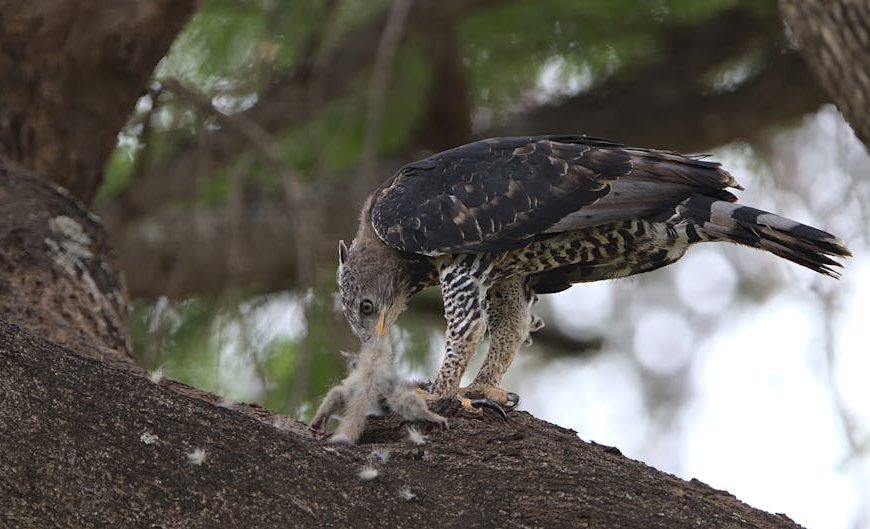

While it may seem like a scene from a horror movie, the thought of a majestic eagle swooping down and carting off an adorable kitten can send shivers up any cat owner’s spine. So, do eagles eat cats? Actually, it isn’t strictly a hypothetical question. Although it’s not common, eagles and other birds of prey have been known to snatch small dogs and cats. While cats aren’t typically part of an eagle’s diet, desperate times can call for desperate measures in the animal kingdom. This article offers crucial tips to keep your feline friend safe from these powerful predators.
Understanding Eagle’s Behavior and Diet
Eagles, being raptors, are used to hunting for their meals. Their diet primarily consists of small to medium-sized mammals, birds, and fish. Favorites include rabbits, squirrels, ducks, and in some locale, fish. They like to choose prey that are easy to spot and catch. It’s not that eagles wouldn’t consider larger prey, but selection largely depends on the risk and effort involved in the hunt.
In certain circumstances, when food sources dwindle or opportunities present themselves, they might diversify their culinary choices, which can, unfortunately, include our beloved pets. While it is entirely situational and not common behavior, cats can potentially become targets due to their size and accessibility, especially if they venture out unsupervised.
The Possibility of Eagles Preying on Cats
It happens rarely but instances of eagles capturing small pets have been reported. Areas close to the natural habitats of eagles, predominantly mountainous and coastal regions, showcase more such occurrences. It’s the survival instinct at play. During harsh winters or when food sources deplete, eagles may broaden their hunting horizons.
Cats, particularly kittens, can be quite vulnerable in these scenarios due to their size. Felines exploring the great outdoors can unwittingly find themselves in the eagle’s crosshairs. Certain behaviors, such as chasing objects or wandering off, can inadvertently attract attention, making them potential prey.
Risks and Precautions for Your Feline Friend
If you reside in or near eagle territories or have noticed them circling your area, it’s essential to understand the potential risks to outdoor cats. Eagles hunt primarily during the day, especially in early morning and late afternoon. Keeping cats indoors during these times lessens their exposure.
Although free-roaming might seem a treat for your cat, it’s worth considering the safety risks associated with such freedom. Indoor spaces are intrinsically safer, with no exposure to birds of prey or other predators. Outdoor environments, although enriching, can present hazards, including traffic, weather extremes, parasites, and unfortunately, encounters with eagles. Balancing outdoor excursions with supervised and secure play spaces is suggested for optimal safety.
In the subsequent sections, you’ll find a comprehensive guide on preventive measures and resources to help your feline friend steer clear of any eagles eying them as their potential next meal.
Preventive Measures to Protect Cats from Eagles
No cat owner wants to see their beloved pet in the predatory radar of an eagle. With some preventive measures, you can create a safer environment for your feline, discouraging eagles from swooping in. Here’s a checklist to help you out:
- Supervision: When your cat is outdoors, try to supervise them as much as possible. Eagles are less likely to strike when there’s human presence nearby.
- Secure Enclosures: Building a secure outdoor cat enclosure can provide your fur-baby with the best of both worlds. It can play and roam freely while being protected from aerial attackers.
- Minimize attractions: Keep your surroundings clear of anything that might attract an eagle, such as bird feeders, leftover food, or small pet toys.
- Alertness: Pay attention to any predatory bird activity in your area. A quick reaction can prevent an attack.
Pro tip:
 Small reflective objects like CDs, aluminum strips, or mirror-like decorations have been known to deter eagles. Hanging these around your property could help to keep your cat safe.
Training and Resources for Keeping Your Cat Safe
While environmental adjustments can drastically improve your pet’s security, don’t overlook the value of training. Teaching your cat to respond to commands like ‘come’ or ‘in’ can be lifesaving, especially during potentially risky situations.
Exploring resources such as guides on creating bird-deterring environments can contribute to a more comprehensive safety plan. Websites like the American Bird Conservancy offer information on creating bird-friendly outdoor spaces.
It’s also worthwhile to check local wildlife agencies or consult with a cat behaviorist. They can provide personalized guidance to protect your pet in your specific location and circumstances.
In conclusion, while the risk of eagles preying on cats is minimal, it’s not entirely absent, especially in certain areas or conditions. Awareness of this potential predator, understanding our cats’ behavior and needs, along with practical preventive measures, can ensure the safety of our beloved feline friends. This way, they can enjoy their outdoor ventures without becoming an unwilling participant in the food chain game. Stay vigilant, and let your fur babies thrive safely.
Key Takeaway:
- Eagles typically prefer smaller prey, but in scarce conditions they may prey on bigger animals including small pets like cats.
- Instances of eagles capturing small pets occur rarely but are more common in areas close to the natural habitat of eagles, predominantly mountainous and coastal regions.
- Outdoor cats are at potential risk from eagles, especially during prime hunting times in the early morning and late afternoon.
- Placing small reflective objects around the property, keeping the surroundings clear, building secure outdoor cat enclosures, and closely supervising outdoor cats can help to keep them safe from eagles.
- Training cats to respond to commands can also be lifesaving and additional resources can provide further insight on keeping pets safe from predators.
Remember: while the thought of an eagle preying on your beloved pet may be unnerving, the risk is minimal and there are clear steps you can take to ensure your cat’s safety. The combined efforts of training, supervision, safe environmental planning, and resource exploration can arm you with the necessary tools to protect your cat from predatory threats.
FAQs
Q: Do eagles only attack cats when food is scarce?
A: While it is more likely during times of scarcity, eagles may attack small pets like cats if the opportunity arises and it seems like an easy catch. However, this behavior is not common.
Q: What is the best time to let my cat outside to avoid eagles?
A: Try to avoid allowing your cat outside during the prime hunting times for eagles, which are early morning and late afternoon.
Q: How can I build a secure outdoor enclosure for my cat?
A: Building a secure outdoor cat enclosure involves ensuring that it is covered from above to protect from aerial attackers, and also sealed so your cat can’t escape into the surrounding area. You can look for detailed guides and resources online, or consider hiring a professional.
Q: Do reflective objects really deter eagles from swooping into my yard?
A: Yes, hanging small reflective items such as CDs, aluminum strips, or mirror-like decorations around your property can help to deter eagles.
Q: Where can I find resources to help train my cat to stay safe outdoors?
A: Plenty of online resources offer advice on training cats for outdoor safety. Websites such as the American Bird Conservancy or local wildlife agencies can be a good starting point. You could also consult with a cat behaviorist for personalized guidance.
In case you found the information in this article useful, do share it with fellow cat owners and encourage them to explore our website for further valuable insights.