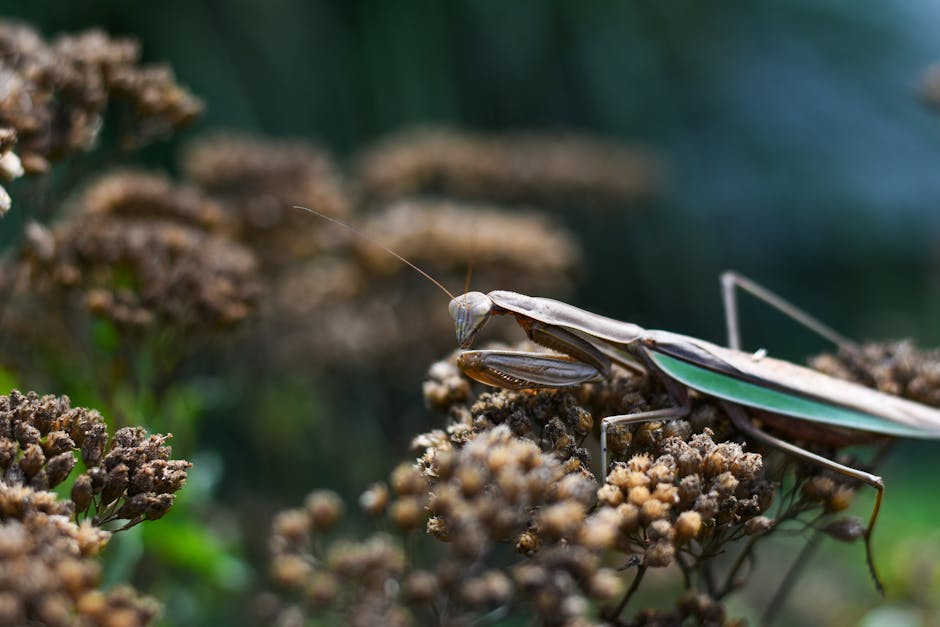
Whether you’ve seen it in person or stumbled upon a viral video online, you’ve likely rubbed your eyes in disbelief: a praying mantis, a sleek insect usually no more than a few inches long, preying on a full-grown hummingbird. Incredibly, this David vs. Goliath scenario is real – praying mantises have been documented hunting and devouring hummingbirds across the globe. This article aims to shed light on this fascinating, albeit unsettling, natural behavior by diving into evidence, outlining the mantis’s hunting strategy, understanding the reasons for their surprising choice of prey, examining the impact on hummingbird populations, and suggesting prevention methods.
Evidence of Praying Mantises Predating on Hummingbirds
While it might seem fantastical, the observation of mantises feasting on hummingbirds is supported by both scientific studies and personal anecdotes. This unusual bird-insect predator-prey relationship often comes to light near hummingbird feeders, with the mantises capitalizing on the birds’ routine feeding patterns. Multiple documented cases showcase mantises skillfully snaring their prey right out of the air, holding them with their powerful forelegs, and moving swiftly onto the macabre feast. Notably, a comprehensive study in The Wilson Journal of Ornithology compiled 147 cases of mantises preying on hummingbirds in the U.S, bringing the issue to the scientific forefront.
The Hunting Strategy of Praying Mantises
Praying mantises are stealthy hunters known for their patience and precision. These cunning creatures employ a sit-and-wait approach, staying utterly still until an unsuspecting hummingbird hovers within striking distance. Their uncanny ability to blend into their environment combined with lightning-fast reflexes makes them formidable hunters, capable of seizing prey many times their size. The mantises not only outmaneuver the famously fast hummingbirds but also withstand the birds’ desperate struggles, leveraging their strong grip and piercing mouthparts to bring down their feathered quarry.
Why Praying Mantises Target Hummingbirds
The hummingbirds – energetic, agile, and often larger than mantises – might seem like an unlikely choice of prey. However, mantises, despite their size, are voracious predators with a taste for protein-rich meals. Hunting large, challenging prey such as hummingbirds offers a high-reward meal that aids in the insect’s growth and reproductive success. The risks involved, such as potential injury from a struggling hummingbird, are overridden by the substantial nutritional gain.
The Impact of Praying Mantises on the Hummingbird Population
From an ecological perspective, praying mantises predating on hummingbirds raises questions about the impact on the bird population. Though the mantis-hummingbird predation events are not frequent enough to significantly threaten hummingbird populations at large, localized impacts could be possible, especially where mantises are non-native and introduced. As ornithologist Dr. Martin Nyffeler, one of the lead researchers on this phenomenon, puts it, from an individual, a local, point of view, this is a horrific thing. For the bird population as a whole, the impact is very small.
Prevention Methods to Protect Hummingbirds from Praying Mantises
While nature has its order, those who want to protect hummingbirds in their yards can take some preventative measures. Altering the landscape or adjusting feeder configurations can make it more difficult for mantises to access the birds. Additionally, creating a physical barrier or employing mantis deterrents can minimize these predatory episodes. The goal is not to eliminate mantises, essential in controlling pests, but to strike a balance that allows birdwatchers and nature lovers to enjoy the beauty of hummingbirds without the fear of them being preyed upon.
Evidence of Praying Mantises Predating on Hummingbirds: Detailed Discussion
Several scientific studies and personal tales have emphasized the predatory relationship between mantises and hummingbirds. This surprising predator-prey relationship often unfolds near hummingbird feeders. Mantises, having mastered the art of patience and stealth, capably seize unsuspecting hummingbirds when they alight to feed. These crafty predators use their forelimbs to grip the birds in a vice-like hold and indulge in their feast soon after. Notably, a study published in The Wilson Journal of Ornithology documented 147 incidents of mantises feasting on hummingbirds in the United States!
Hunting Tactics Employed by Praying Mantises
Praying mantises are recognized for their distinct hunting tactics that involve patience, stealth, and precision. Mantises are adept at concealing their presence in natural environments, making their approach toward the target seamless and almost invisible. Their tactic is simple: remain absolutely motionless and pounce on the prey when it gets within striking distance. The lightning-fast reflexes of mantises coupled with their camouflage abilities make them effective hunters, capable of snatching preys larger than them. Not to forget, their resolute grip and powerful mouthparts enable them to subjugate the high-speed hummingbirds.
Exploring Reasons behind Praying Mantises Targeting Hummingbirds
Hummingbirds, despite being agile, energetic, and often larger than mantises, fall prey to these cunning predators. Praying mantises are known for their insatiable appetite for protein-rich food. Caging difficult and large prey like hummingbirds presents them with an opportunity to indulge in a nutritious meal. While the struggle of the hummingbird might pose injury threats to the mantis, it’s more than willing to overlook such risks for the considerable nutritional payoff.
Impact of Praying Mantises on the Hummingbird Population
The predation of hummingbirds by praying mantises may pose a few critical questions regarding the impact on the bird population. While such instances of predation are not common enough to threaten the overall hummingbird population substantially, local impacts could still occur, especially in regions where mantises have been introduced and are non-native. Ornithologist Dr. Martin Nyffeler, who has extensively researched this phenomena, adds, while this might seem horrific from an individual perspective, the overall impact on the bird population is minimal.
Preventing Praying Mantises from Hunting Hummingbirds
Nature has an inherent order of its own, but if you wish to create a safe haven for hummingbirds in your backyard, you can certainly take preventative measures. Alter your landscape or adjust the feeder settings to limit access for mantises and the ensuing predatory episodes. Whether this involves adding a physical barrier or using mantis deterrents, the goal is not to completely eradicate mantises–they’re still essential in controlling pests–but rather to create a balanced environment. This allows birdwatchers and nature lovers to admire hummingbirds in their natural habitat without the constant dread of their impending predation.
Key Takeaway:
- Praying mantises have been documented hunting and devouring hummingbirds. This surprising predator-prey relationship often unfolds near hummingbird feeders.
- Praying mantises employ unique hunting tactics that involve patience, stealth, and precision. With lightning-fast reflexes and effective camouflage abilities, mantises are able to snatch hummingbirds in flight.
- Mantises target hummingbirds primarily for their nutritional benefits, choosing to overlook potential injury risks for the high-protein reward.
- While the predation of hummingbirds by praying mantises does spark questions regarding ecological impact, the overall effect on hummingbird populations is minimal.
- Preventative measures, such as adjusting feeder configurations or creating physical barriers, can be taken to protect hummingbirds from mantises while maintaining ecological balance.
Remember, nature has its unique way of maintaining balance. Knowing both sides of this predator-prey relationship allows us to appreciate the complexity and wonder of the natural world. With a few simple measures, we can help protect hummingbirds while respecting mantises’ role in our ecosystems.
FAQs
Q: Do praying mantises only prey on hummingbirds?
A: No, mantises are known to prey on a variety of insects and small animals. Their choice of prey largely depends on the availability and size of potential targets.
Q: Are there specific species of mantises that target hummingbirds?
A: The predatory behavior of mantises generally varies with species and availability of prey. That said, documented cases involve numerous species preying on hummingbirds.
Q: Is the hunting behavior of mantises toward hummingbirds common worldwide?
A: The hunting behavior of mantises on hummingbirds has been largely observed in the United States. However, such behavior could potentially occur in other parts of the world where both mantises and hummingbirds are present.
Q: What can hummingbirds do to protect themselves from praying mantises?
A: Hummingbirds can use their speed and agility to escape from mantises. However, they are often caught by surprise due to the stealthy nature of mantises.
Q: How can I identify if my hummingbird feeder has a mantis problem?
A: Look out for any lurking mantises around the feeder, as well as for any signs of struggle or distress by hummingbirds. If hummingbirds are suddenly avoiding the feeder, a mantis might be the culprit.
We encourage you to share this article with others and continue browsing our website for more fascinating insights into the natural world.