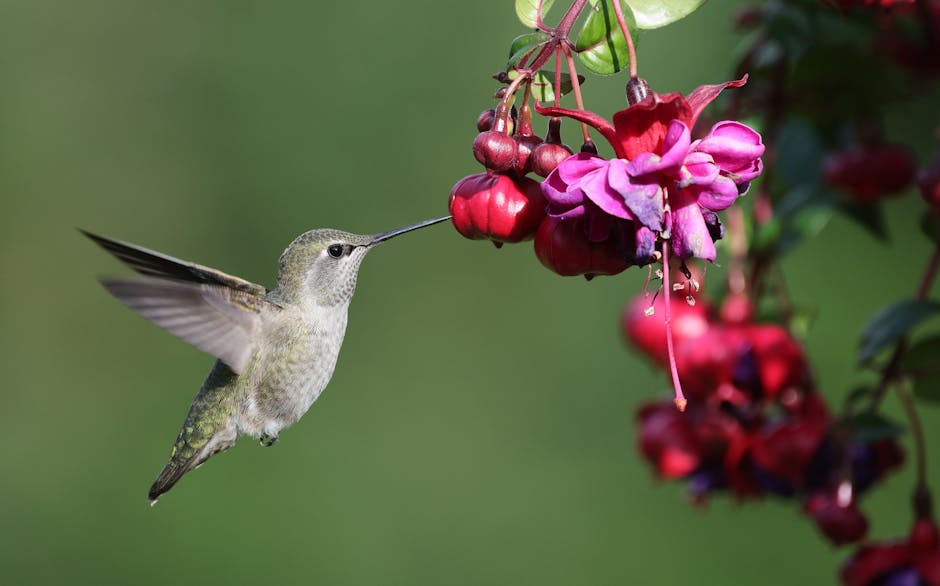
Hummingbirds, with agile wings flitting at astonishing speeds and the ability to hover in midair with precision, have a metabolism to match their swift lifestyle. In fact, they have the highest metabolic rate of any homeothermic animal. To fuel this high energy demand, hummingbirds primarily feed on a sugar-rich nectar diet, consuming up to half their weight in the sweet fluid every day.
Looking at bird anatomy, hummingbirds stand out with their uniquely adapted digestive systems. Their short, straight bills and long, tapered tongues are tailored for extracting nectar from flowers. Inside, their rapid digestion keeps the sugar-conversion engines going, transforming nectar into immediate energy while discarding minimally used waste.
Pro tip: Avid bird observers might know that understanding a bird’s diet can unlock key insights. For hummingbirds, providing nectar-rich plant varieties or even sugar water feeders can make a backyard or garden an inviting hotspot of activity.
Primary Source of Nutrition: Nectar and Flowering Plants
Nectar serves as the primary food source that fuels the hummingbird’s high-paced metabolism. Naturally occurring in several flower species, this sweet sap presents a powerhouse of simple sugars such as glucose, fructose, and sucrose that are easily and rapidly digested by hummingbirds for immediate energy use.
For bird enthusiasts looking to beckon these winged jewels into their living spaces, plant selection plays a critical role. Flowering specimens rich in nectar like honeysuckle, bee balm, and hibiscus are particularly irresistible to hummingbirds.
The nutritional content in nectar varies from flower to flower. To understand this better, let’s compare the nectar from two separately appealing flower varieties for hummingbirds:
| Red Columbine | Trumpet Creeper | |
|---|---|---|
| Sugar Content | 21% | 26% |
| Volume | 8 μl | 120 μl |
| Frequency | 9 flowers/day | 3 flowers/day |
Role of Insects and Small Arthropods in a Hummingbird’s Diet
While nectar forms the foundation of a hummingbird’s diet, their nutritional needs extend beyond simply sugars. Protein, amino acids, vitamins, and minerals are also essential and are fulfilled by incorporating small insects and arthropods like spiders into their eating regimen.
A hummingbird’s insect diet typically includes Gnats, mosquitoes, spiders, aphids, and even small beetles. These provide an essential balance to their diet, contributing to hummingbird’s growth, feather development, and preparing them for the rigors of migration.
However, preparing homemade insect feeds can be a tricky affair. Doing so may limit the variety of insects consumed, potentially causing nutritional deficits. On the other hand, supplemental feeders can support hummingbirds during critical feeding times or in regions where natural food sources are scarce.
Hummingbirds and Sugar Water: Can it Replace Natural Nectar?
Feeder sugar water is often associated with the practice of bird feeding, particularly when it comes to hummingbirds. It stands as a convenient and easily-prepared supplement or replacement for natural nectar. However, its suitability remains contentious, especially concerning long-term reliance and potential health risks.
Let’s critically examine the properties of homemade sugar water versus store-bought feeder solutions:
| Homemade Sugar Water | Store-Bought Feeder Solutions | |
|---|---|---|
| Ingredient Control | High – can adjust based on specific needs of local hummingbird species. | Low – may contain preservatives, additional ingredients. |
| Cost | Low-cost, considering the simple recipe of water and white granulated sugar. | Expensive compared to homemade mix. |
| Ease of Use | Requires preparation time. | Ready-to-use, convenient. |
Pro tip: If opting to use a homemade sugar water mixture, maintain a ratio of 1 part white sugar to 4 parts water. Remember, never use honey, brown sugar, or food coloring as these pose serious health risks to the birds.
Seasonal Variations in a Hummingbird’s Diet: Migration and Feeding
The diet of a hummingbird is not static, for it ebbs and flows in tune with the seasons. During migration, hummingbirds must expend a massive amount of energy, and tend to bulk up on insects and spiders for the essential protein content. In contrast, during the summer, nectar plays a more substantive role as flowers are in full bloom and sugar-rich nectar is in abundance.
A broad version of a hummingbird’s seasonal diet looks something like this:
| Spring | Summer | Autumn | Winter | |
|---|---|---|---|---|
| Nectar | Moderate (increasing as flowers bloom) | High (to fuel high metabolic rates) | Moderately High (pre-migration nectar feeding) | Low (flowers are scarce) |
| Insects | High (to replenish after winter) | Moderate (balanced diet) | High (pre-migration protein build-up) | Low (insects are scarce) |
For those wishing to supplement the season-specific dietary needs of local hummingbirds, the key lies in variation. Adjust home feeders with the changing seasons, offering higher sugar contents in summer, and more abundant homemade insect solutions during the spring and autumn migration period.
With this understanding of the hummingbird’s diet, nature lovers can provide a more welcoming and nourishing environment for these vibrantly captivating and undeniably charming birds, encouraging the marvels of nature to thrive in their own backyards.
Key Takeaway:
- A hummingbird’s diet is primarily composed of nectar from flowers due to their high metabolism and energy needs.
- Hummingbirds also supplement their diet with insects and arthropods for a balanced nutritional profile.
- Flowering plants that are rich in nectar like honeysuckle, bee balm, and hibiscus are particularly attractive to hummingbirds.
- Feeder sugar water serves as a supplemental food source for hummingbirds but has potential dangers if relied on too heavily.
- A hummingbird’s diet varies across different seasons due to changes in their environment and migration patterns.
Armed with knowledge of a hummingbird’s intricate dietary needs and habits, you can create a flourishing and favorable environment for these breathtaking birds. Remember, it isn’t just about offering food, but providing the right kind of food at the right time. By doing so, you can witness the majestic beauty of hummingbirds right in your own backyard!
FAQs
Q: Why shouldn’t I use honey, brown sugar, or food coloring in homemade sugar water for hummingbirds?
A: These substances can be harmful to hummingbirds. Honey and brown sugar contain additional elements that hummingbirds can’t easily digest, and food coloring can be harmful to their health.
Q: What time of year should I put out my hummingbird feeder?
A: You could put out your hummingbird feeder as early as spring. Adjust the contents of the feeders according to the season, considering the availability of natural food sources and the changing dietary needs of hummingbirds.
Q: How often should I change the food in the hummingbird feeder?
A: In hot weather, change the food every two to three days. In cooler weather, change it about once a week to prevent fermentation or mold growth.
Q: Can a hummingbird live on sugar water alone?
A: No, hummingbirds need a balanced diet. While sugar water can supplement their diet, it should not replace the essential nutrients they get from nectar and insects.
Q: Do hummingbirds only feed on certain flowers?
A: Hummingbirds can feed on a variety of flowers, but they are particularly attracted to those rich in nectar such as honeysuckle, bee balm, and hibiscus.
We hope you found this article enlightening! Feel free to share it with other bird enthusiasts and don’t forget to explore our other posts for more fascinating facts about wildlife.