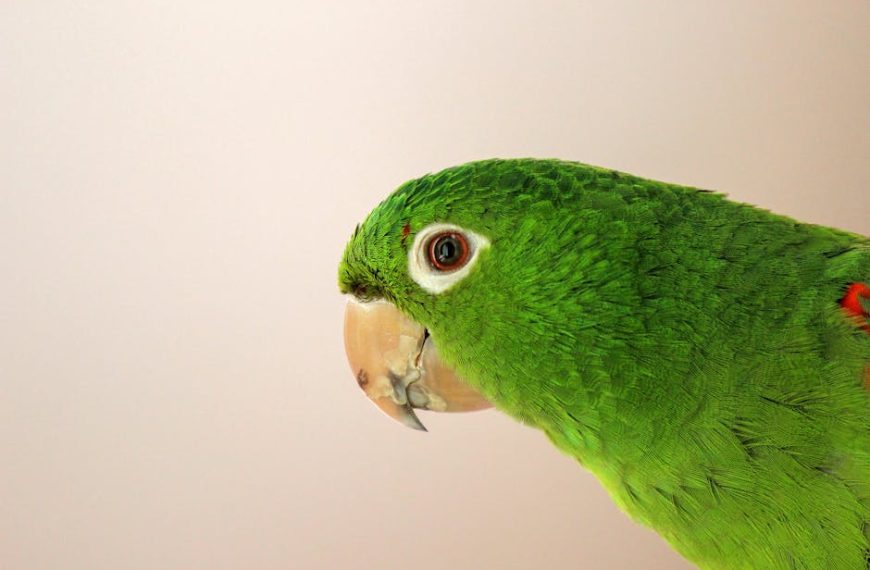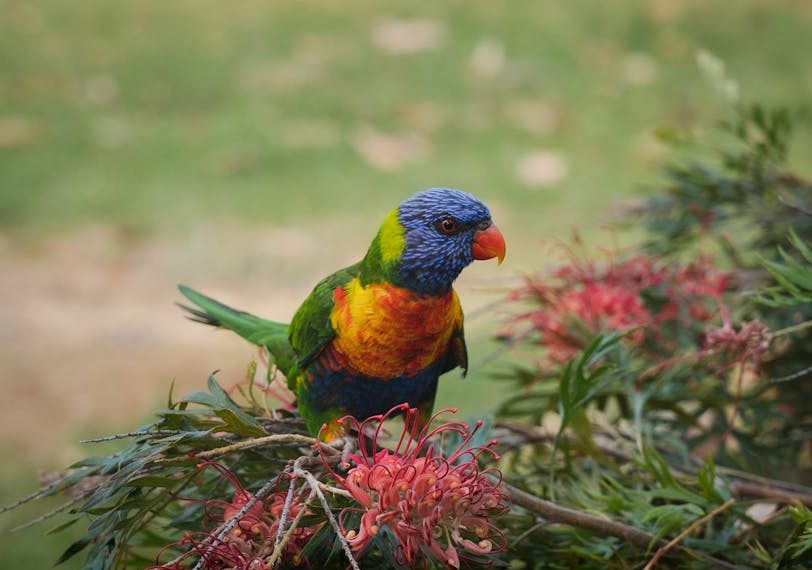
Out in the wild, parakeets are opportunistic eaters. They have adapted to a wide variety of habitats and are not picky about their food sources. Within their diverse diet, they’ve been known to snack on a rich tapestry of fruits, seeds, nuts and grains, and even insects.
Different species of parakeets have slightly varied diets based upon their native regions. For example, the Rose-faced parakeet, native to the forests of South America, tends to gorge on a variety of fruits and seeds. On the other hand, the Australian budgerigar predominantly feeds on various types of grass seeds.
Essential Vitamins and Minerals for Parakeets
Like all creatures, parakeets require certain amounts of vitamins and minerals to maintain good health. Some of the essential micro-nutrients needed are:
- Vitamin A
- Vitamin D3
- Vitamin E
- Calcium
- Iodine
These vitamins and minerals contribute to a parakeet’s robust immune system, strong bones, healthy skin, and feather condition, good vision, and overall well-being.
Nourishing Your Parakeet with Fruit
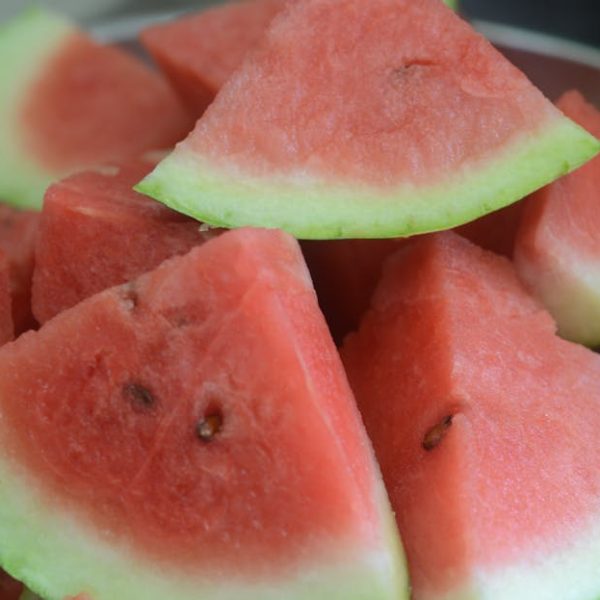
Though fruits are an integral part of a parakeet’s diet, they should not comprise the bird’s entire meals. Pro Tip: The key is moderation and variety. Here are some fruits commonly consumed by parakeets:
- Apples
- Bananas
- Grapes
- Oranges
- Peaches
Pro Tip: Always remember to remove the seeds and pits from the fruits before serving them to your parakeet, as many seeds (like apple seeds) can be toxic to them.
Seeds, Grains, and Nut Consumption in the Wild
Wild parakeets relish a diet rich in various types of grains, seeds, and nuts. This forms a critical part of their diet, acting as a principal energy source.
| Commercial Seed Mixes | Natural Seeds, Nuts, and Grains |
|---|---|
| Convenient to procure | May require some effort to source |
| May lack diversity of nutrients | Rich in different types of nutrients |
| High-fat content | Better balance of fat and other essential nutrients |
Feeding parakeets solely on commercial seed mixes can potentially lead to a nutritional imbalance. It is best to include a diverse array of natural seeds, grains, and nuts along with vegetables, fruits, and the occasional serving of protein.
The Role of Insects and Minerals in the Parakeet Diet
Apart from plant-based food, insects are an occasional yet important source of animal protein for parakeets. Mealworms, for instance, are filled with vital protein and aid in keeping a parakeet’s plumage in excellent condition.
Minerals, often obtained from eating grit or nibbling on a cuttlebone, are crucial for parakeet’s bone health and feather production. Offering a mineral block or cuttlebone in a captive parakeet’s enclosure is a good practice to fulfill their mineral requirement.
By acknowledging and respecting the natural diet of parakeets, pet owners can ensure that their avian companions lead a healthy, vibrant, and long life. The key is to provide a diverse, balanced diet that closely mirrors what they would find in their natural environment. This way, we can enjoy the delight of these colorful, charming birds for many fulfilling years!
Key Takeaway:
- Parakeets in the wild consume a diverse diet including seeds, nuts, fruits, and occasionally insects, depending on the specific region. Captive parakeets, however, may often have a more monotonous diet of commercially available seed mixtures.
- Critical to parakeet health is a balanced diet, including fresh fruits and vegetables, seeds, small quantities of animal proteins and a range of essential nutrients.
- Commercially available seed mixes can fall short in offering parakeets a well-rounded diet as they tend to be high in fat and low in essential nutrients compared to fresh seeds, grains, and nuts.
- Inclusion of mealworms or small crickets and minerals derived from cuttlebone or mineral blocks in a captive parakeet’s diet is beneficial for their health.
Understanding and providing for the nutritional needs of parakeets, based on their wild diet, enriches their health and longevity in captivity. With this knowledge, you can appreciate the company of these vibrant and engaging birds in a way that respects their natural dietary needs, ensuring a fulfilling and joyful relationship with your feathered friend.
FAQs
Q: How often should I feed my parakeet fruits and berries?
A: Fruits and berries enrich your parakeet’s diet with essential nutrients and vitamins. However, they should be provided in moderation as an overconsumption can lead to health issues. Offering small portions a few times a week is generally recommended.
Q: What can I do if my captive parakeet is reluctant to try different food items beyond seeds?
A: Introducing different food items gradually can help your parakeet adapt to a varied diet. Start by mixing new foods with their favourite seeds, and over time, they may start to try these new foods.
Q: Are there specific fruits that parakeets should avoid?
A: Avocado and chocolate are toxic to parakeets and should be avoided. Also, remove seeds from fruits as some, such as apple seeds, are harmful to them.
Q: Do parakeets need access to water for their dietary needs?
A: Yes, sufficient and clean water is essential for the health of parakeets as it aids digestion and keeps them hydrated. Fresh water should be provided every day and changed as needed to maintain cleanliness.
Q: What kind of animal proteins can be provided to parakeets in captivity?
A: Small amounts of mealworms or crickets can be offered to parakeets to replicate their consumption of insects in the wild.
Feel free to share this article with fellow bird lovers and continue exploring more posts on our website for comprehensive care guides and insights on various bird species.