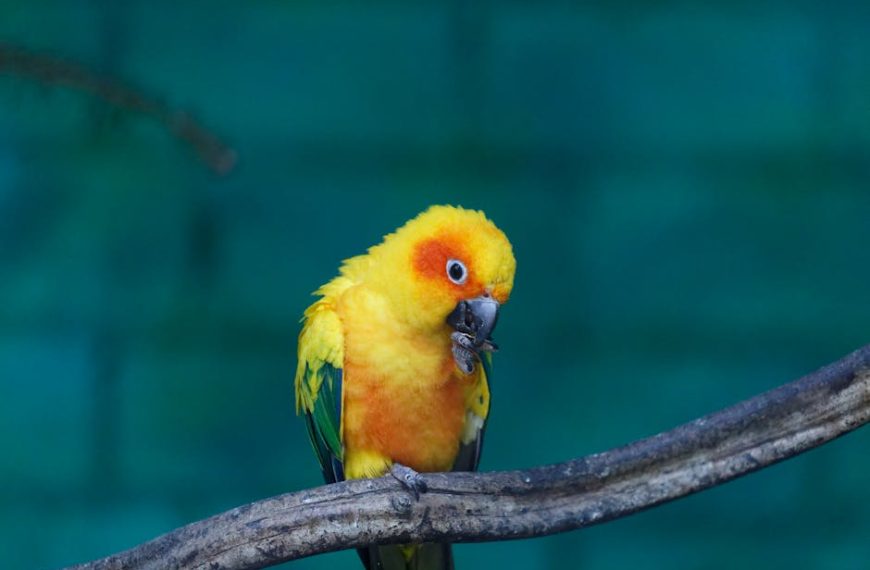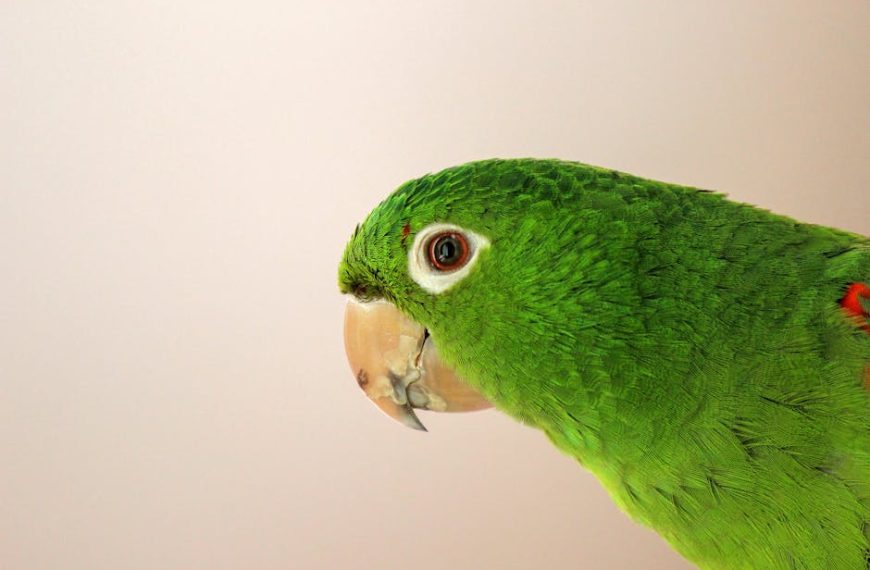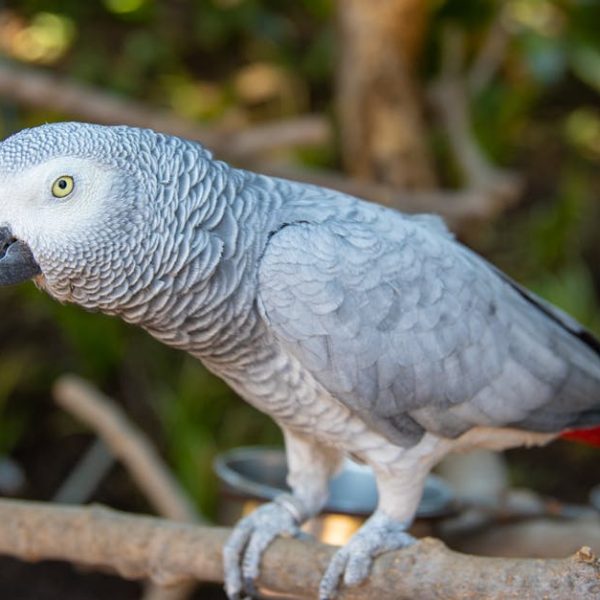
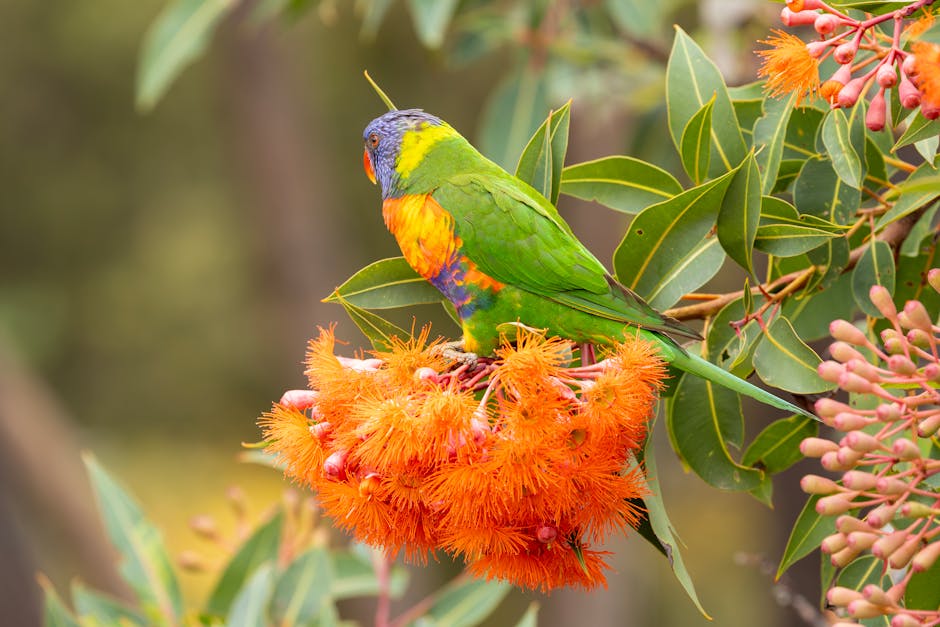
Yes, it’s absolutely safe for Quaker Parrots, also known as Monk Parakeets, to munch on cucumbers. Rich in vitamins and water content, cucumbers make for a nutritious and hydrating treat for our feathered companions, as long as certain precautions are taken. Key considerations like ensuring the cucumber is pesticide-free and cut into manageable pieces are crucial safeguards.
Safety of Feeding Cucumbers to Quaker Parrots
Cucumbers, like most other vegetables, are safe treats for Quaker Parrots when washed thoroughly and when cut from the right angle. This not only eliminates the risk of your pet ingesting harmful chemicals but also avoids choking hazards associated with larger-sized chunks.
Aside from cucumbers, there are many other safe vegetables that Quaker Parrots can enjoy, including but not limited to:
- Broccoli
- Carrots
- Peas
- Bell peppers
✔ Pro Tip: Always rinse vegetables under running water before feeding any to your pet bird, making sure to remove potential pesticide residues.
Nutritional Value of Cucumbers for Quaker Parrots
Despite their water-dense nature, cucumbers also pack a nutritious punch. They contain vitamins K, A, and C – all essential nutrients for Quaker Parrots. Coupled with the bonus hydration, cucumbers can be a valuable addition to your parrot’s menu. However, they should not be relied upon as the primary source of nutrition, given their insufficient protein content.
In diversifying your pet’s diet, remember:
- A variety of fruits and vegetables promotes balanced nutrition
- Some veggies, like kale and spinach, offer more nutritional value than cucumbers
- A balanced diet includes legumes, grains, and a small quantity of seeds and nuts
How to Prepare and Serve Cucumbers for Quaker Parrots
Choosing a cucumber that’s crispy, vibrant green, and free from blemishes or soft spots is the first step in serving cucumber to your Quaker Parrot. Here’s how you go about it:
- Rinse it thoroughly under running water
- Slice the cucumber into small, manageable pieces
- Remove seeds if the cucumber is large and seed-heavy, as they can pose a choking hazard
An important aspect to consider here is whether or not to leave the skin on the cucumber. The skin contains a good share of the cucumber’s nutrients, so leaving it on can be beneficial. However, if the cucumber isn’t organic, you might want to consider peeling it to avoid potential pesticide residue.
How Often Should Quaker Parrots Eat Cucumbers?
Cucumbers can form a regular part of your Quaker Parrot’s diet; they are non-toxic and offer a nutritious boost. However, it’s important to remember that variety is key for a balanced diet.
Best practices to keep in mind include:
- Gradually introducing new foods to avoid upsetting your bird’s digestive system
- Rotating cucumber with other fruits and vegetables to maintain dietary variety
- Observing your pet for any changes in behavior or droppings after introducing new food
✔ Pro Tip: Always keep a close eye on your parrot when introducing any new food into its diet, looking out for signs of digestive discomfort or allergic reaction.
Possible Risks and Precautions When Feeding Cucumbers to Quaker Parrots
While cucumbers are typically safe for Quaker Parrots, potential risks should not be ignored. These might include choking hazards from large chunks and the ingestion of pesticides from unwashed skins. If you observe any unusual behaviour, a change in droppings, or signs of distress after feeding cucumbers, consider consulting a vet.
Some possible signs of distress include:
- A change in eating habits
- Excessive water intake
- Changes in the colour or consistency of droppings
✔ Pro Tip: Whenever introducing a new food item, start with small amounts and monitor your pet bird closely for any adverse reactions. Safety has to be your topmost priority.
Safety of Feeding Cucumbers to Quaker Parrots
Yes, cucumbers are safe for Quaker Parrots, provided they are properly cleaned and cut to an appropriate size for your bird. Many fresh vegetables – not only cucumbers – can make fantastic, healthy snacks for your fine feathered friends. Other safe vegetables include:
- Spinach
- Broccoli
- Kale
- Carrot
- Bell Peppers
✔ Pro Tip: Always wash vegetables thoroughly before giving them to your parrot. This will ensure any pesticide residue gets washed away, thus reducing any potential health risks.
Nutritional Value of Cucumbers for Quaker Parrots
Cucumbers can make a cool, hydrating treat for your parrot due to their high water content. Furthermore, cucumbers also provide vitamin K, vitamin C, and potassium that are beneficial to parrot’s health. However, cucumbers shouldn’t be the only vegetable in your Quaker Parrot’s diet because they are not a significant source of calories or protein.
For Balanced Diets:
- Mix up the vegetables you feed your bird.
- Remember to include some fruits, seeds, and nuts in the diet (sparingly), as well.
- Pay attention to the nutritional value of the food you are feeding. Some vegetables offer more nutrition than cucumbers, such as spinach and sweet potato.
How to Prepare and Serve Cucumbers for Quaker Parrots
To prepare cucumbers for your Quaker Parrots, there are a few steps to follow:
- Select a cucumber that is firm and has a rich, dark green color.
- Wash the cucumber thoroughly under cool running water.
- If the cucumber is not organic, considering peeling it to remove any residual pesticides.
- Cut the cucumber into small chunks or slices that are easy for your bird to eat.
To Peel or Not to Peel?
- The skin can contains essential nutrients, so if the cucumber is organic, leaving the skin is a good idea.
- If the cucumber isn’t organic, there could be leftover pesticides on the skin – it’s better to be safe and peel it.
How Often Should Quaker Parrots Eat Cucumbers
You might wonder how much cucumber is safe for your Quaker Parrot to eat – and how regularly it should be offered. While cucumbers are a safe and healthy snack, it is best to offer a variety of fruits and vegetables in your Quaker Parrot’s diet.
Best practices to implement when it comes to feeding cucumbers to Quaker Parrots include:
- Feed your parrot cucumber in moderation, complementing it with other fruits and vegetables.
- Introduce cucumbers and other new foods gradually, to avoid any digestive discomfort.
✔ Pro Tip: Observing your Quaker Parrot after introducing a new food like cucumber is crucial to watch for any potential reactions or health issues.
Possible Risks and Precautions When Feeding Cucumbers to Quaker Parrots
Despite the advantages of feeding cucumbers to Quaker Parrots, there are some potential risks that should be considered. These notably include the risk of choking if the chunks of cucumber are too large, and the potential risk of residual pesticides if the cucumbers are not properly washed or peeled.
Alerting signals you might notice in your parrot if there is an issue:
- Loss of appetite or drinking more water than usual.
- Changes in color or consistency of their droppings.
- Signs of distress such as changes in behaviour, fatigue, or signs of digestive discomfort.
✔ Pro Tip: Always introduce a new food like cucumber to your Quaker Parrot in small amounts first, to observe how your bird reacts to it. Remember, your bird’s safety of foremost importance.
Key Takeaway:
- Cucumbers are a safe and nutritious snack for Quaker Parrots when prepared adequately, offering hydration and essential vitamins.
- Although safe and beneficial, cucumbers should not be the sole food source due to their low protein and calorie content.
- Diversifying your bird’s diet is important, with cucumbers being one of a variety of fruits and vegetables included.
- Possible risks associated with feeding cucumbers, such as choking and chemical ingestion, can be mitigated with proper preparation and observation.
As parrot owners, it’s our duty to provide a safe, balanced, and varied diet for our birds. While cucumbers serve as a great hydrating snack with essential vitamins, they are just a piece of the dietary puzzle. A balanced diet should include a variety of fruits and vegetables, and all new foods should be introduced slowly while keeping a watchful eye on your bird. The goal: a healthy, happy, and active Quaker Parrot.
FAQs
Q: Are there other safe vegetables I can feed my Quaker Parrot alongside cucumbers?
A: Absolutely, Quaker Parrots can enjoy a variety of vegetables such as spinach, broccoli, kale, carrots, bell peppers, and many more. Always remember to clean the veggies thoroughly to remove potential pesticide residues.
Q: Are organic cucumbers a better choice for my Quaker Parrot than non-organic ones?
A: Organic cucumbers reduce the risk of chemical ingestion as they are grown without the use of synthetic pesticides. If organic cucumbers are unavailable, thoroughly washing and possibly peeling non-organic ones can mitigate the risk.
Q: Can my Quaker Parrot eat cucumber seeds?
A: Typically, the seeds found in cucumbers are not a choking hazard for parrots. However, if the cucumber is particularly large and seed-heavy, consider removing some seeds to be on the safe side.
Q: What signs should I watch for after introducing cucumbers to my Quaker Parrot’s diet?
A: Monitor your bird for any changes in behavior, drinking habits or appearance and consistency of droppings. If you observe changes or any sign of discomfort, reach out to a vet as soon as possible.
Q: How often can I feed cucumbers to my Quaker Parrot?
A: Cucumbers can be a regular part of your parrot’s diet thanks to their hydrating nature and nutrient content. However, they should be complemented with other fruits and vegetables for a balanced diet.
You are invited to share this article with other bird lovers and explore more informative articles on our website. Happy parrot parenting!