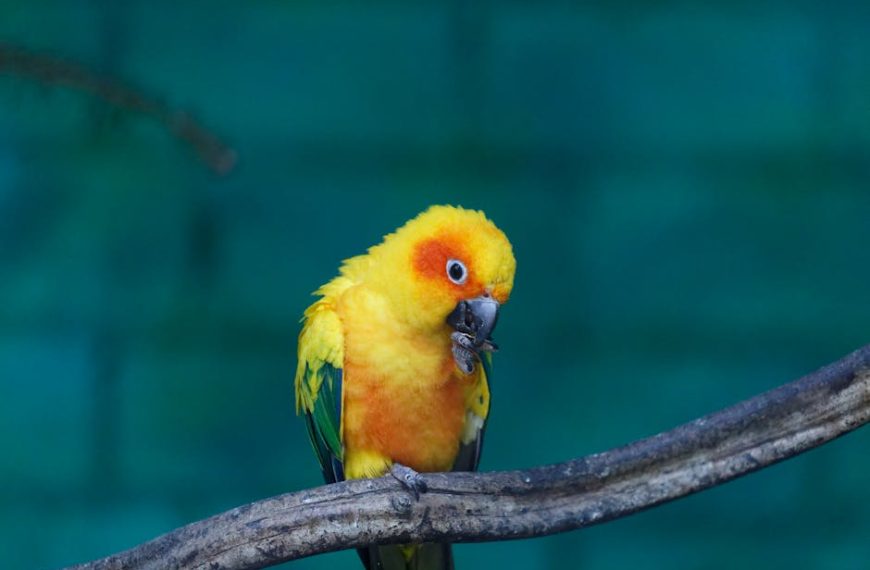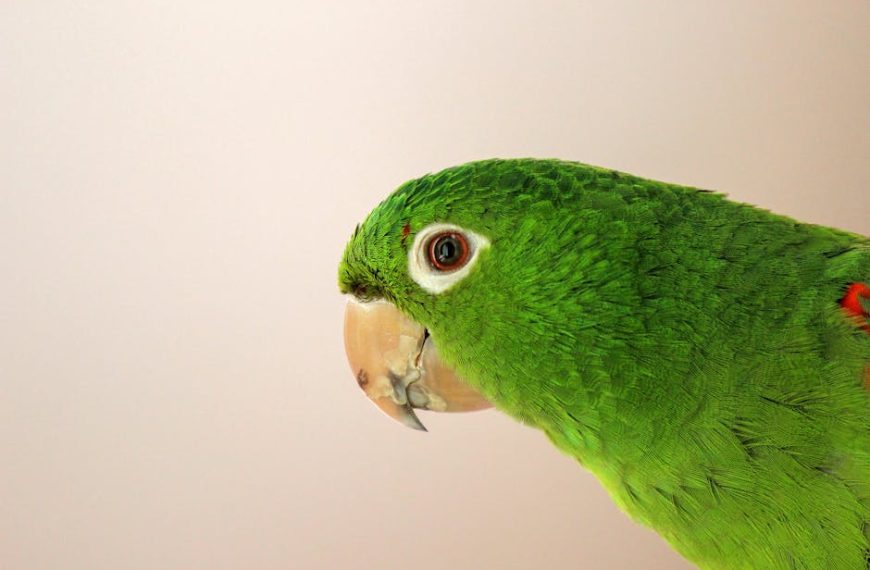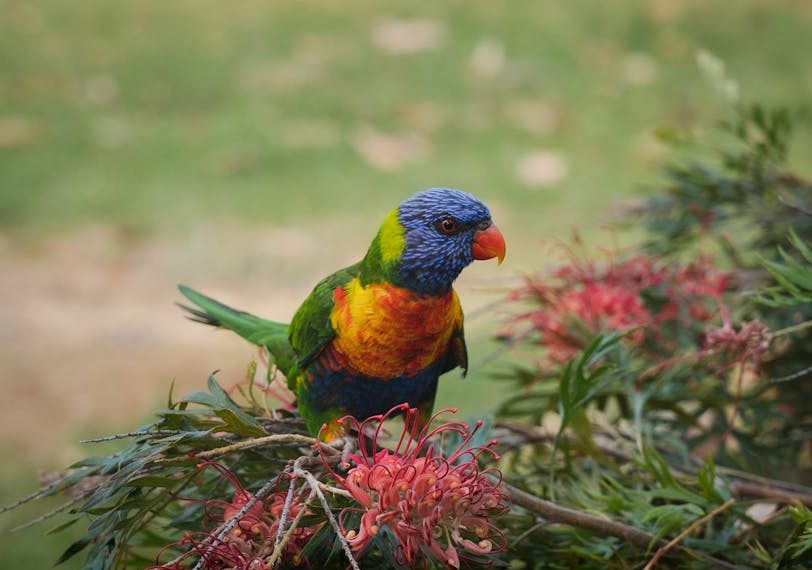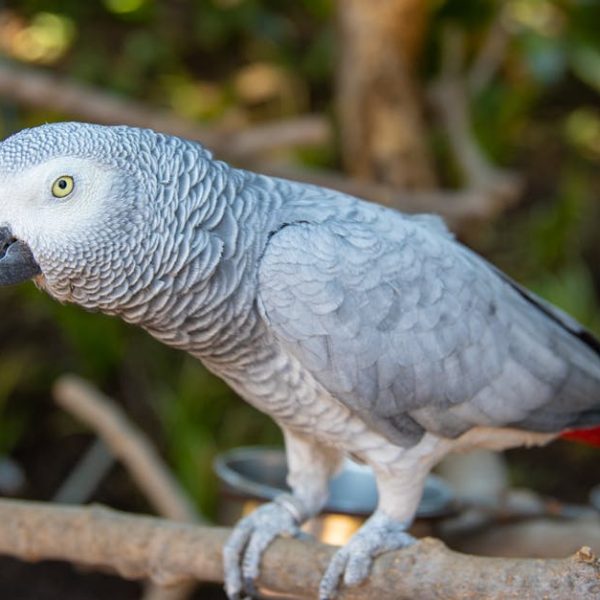
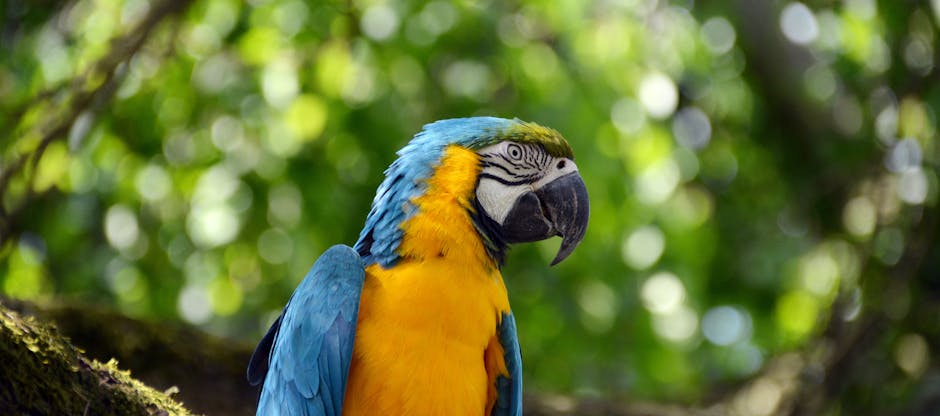
Parrots are known for their vibrant colors and their ability to mimic human speech. However, these playful pets also have specific dietary needs that are vital for their health and longevity. Among the wide array of fruits, nuts, and seeds that parrots enjoy, mango is a popular favorite. Mangoes, aside from being naturally sweet and savory, also offer valuable nutrients that contribute to their overall well-being. But the question is, can parrots safely enjoy mango?
Safety Aspects of Feeding Mango to Parrots
The answer is yes, parrots can safely enjoy mango. This tropical fruit is not only healthy but also packed with key nutrients beneficial for parrots. These nutrients such as vitamin A for eye health, fiber for healthy digestion, and antioxidants for boosting immunity, make mangoes a wonderful supplement to the parrot’s diet. It’s important to note that despite being beneficial, they should only account for a small portion of their daily intake. Here’s a quick overview of some key nutrients found in mangoes:
- Vitamin A: Essential for maintaining eye health and integrity.
- Vitamin C: Known for boosting the immune system, helps in feather growth.
- Fiber: Aids in digestion and helps prevent constipation.
- Antioxidants: Helps combat harmful free radicals in the body.
💡 Pro Tip: Only feed fresh, ripe mangoes to your parrot to ensure they get the full nutritional benefit. Never feed them spoiled or overripe fruit as this could lead to health issues.
Preparation of Mango for Parrot Consumption
Now that we know mangoes are safe for parrots let’s talk about the right way to prepare them. Firstly, always wash the mango to get rid of any pesticides or chemicals that might harm your pet. Next, peel off the skin and slice the flesh into small, easily digestible pieces. Remember to discard the pit as it could pose a choking risk.
- Thoroughly wash the mango.
- Carefully remove the skin using a sharp knife.
- Slice the mango into small chunks.
- Discard the pit safely.
🌟 Best Practice: Always discard any seeds or hard parts of fruits as they can be choking hazards for your parrot.
Portion Size and Frequency of Feeding Mango to Parrots
Mangoes are high in sugar, so moderation is crucial. It’s best to treat mangoes and other fruits as treats rather than regular meals, meaning they should constitute no more than 10-20% of your parrot’s diet. An appropriate portion size would be a couple of small chunks per feeding, depending on the size of your bird.
Feeding your parrot excessive amounts of mango, or any fruit, can lead to obesity and other health problems, so it’s critical to manage portions appropriately. Moreover, overconsumption of fruit sugars can potentially result in fermentation in the gut, leading to digestive discomfort or issues.
💡 Pro Tip: Monitor your parrot after feeding them mango or any new food to ensure they don’t exhibit signs of discomfort or digestive trouble. If problems persist, consult with a vet.
Potential Health Risks and Signs of Mango Allergy in Parrots
While most parrots can eat mango without issue, like humans, some may have an allergic reaction to it. An allergic reaction in parrots can manifest as changes in droppings, breathing difficulties, or feather picking. Here are some signs to look out for:
- Changes in droppings (consistency, color, frequency)
- Difficulty breathing
- Excessive scratching
- Feather picking
- Loss of appetite
If your parrot exhibits any of these signs after eating mango, remove the mango from their diet and consult with a vet immediately.
💡 Pro Tip: Always introduce a new food in small amounts to observe for any reactions. If you notice any changes in behavior or droppings, consult your vet.
Adding Variety to Parrots Diet: Alternatives to Mango
Mango is just one of many fruits that parrots can enjoy. Other fruits such as bananas, apples, and pears can also add variety to your parrot’s diet. Other dietary staples include vegetables, grains, legumes, and nuts.
Remember, variety isn’t just interesting for your parrot; it is also essential to supply all necessary nutrients. Here is a list of other bird-safe foods:
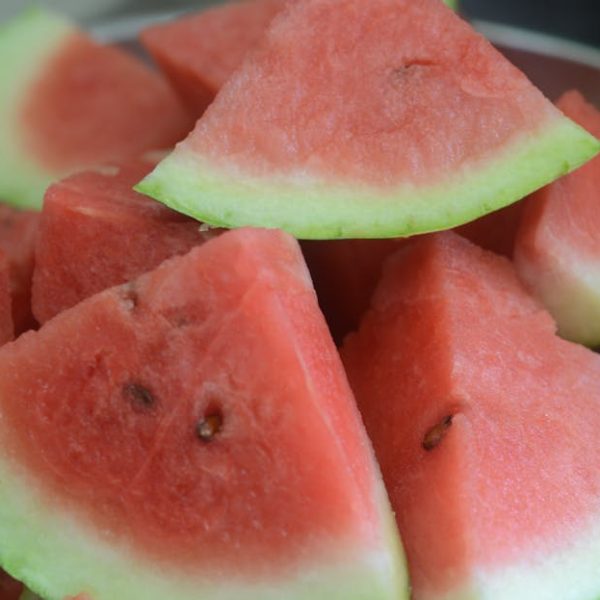
- Fruits: Apples, bananas, berries, grapes, pears, peaches, watermelons.
- Vegetables: Broccoli, carrots, cucumbers, sweet potatoes, bell peppers, spinach.
- Grains: Quinoa, brown rice, oatmeal.
- Legumes: Cooked beans, lentils, peas.
Keep in mind that every fruit has its own set of pros and cons. For instance, apples are low in calories but, unlike mangoes, do not provide much vitamin A. On the other hand, bananas are high in potassium but have a high sugar content, like mangoes.
🌟 Best Practice: Aim for a balanced diet that includes a variety of fruits, vegetables, and other safe foods. Regularly rotate them to ensure your parrot gets a wide array of nutrients.
As a bird owner, making the right dietary choices for your feathered companion is a crucial part of caring for their health. Mango, when prepared properly and fed in moderation, can be a tasty and nutritious treat for your parrot. Remember, variety is key to a balanced parrot diet, so consider incorporating other safe fruits and foods as well. Armed with these tips, you can help ensure your parrot stays healthy, happy, and vibrant!
Key Takeaway:
- Mango is a safe and nutritious fruit for parrots, packed with key nutrients such as vitamin A, vitamin C, fiber, and antioxidants.
- Preparation of mango for parrots involves thorough washing, removing the skin, and slicing it into small chunks.
- Portion size and frequency are important to prevent health risks associated with overconsumption of sugar. Mango should constitute no more than 10-20% of a parrot’s diet.
- Some parrots might have a mango allergy, and bird’s owners must be observant of any changes in droppings, breathing difficulties, or feather picking.
- Adding a variety of safe fruits, vegetables, and other foods to a parrot’s diet aids in overall wellness.
In conclusion, mangoes can be a delightful, nutritious treat for your parrot. The guidelines provided here enable you to add this delightful fruit to your parrot’s diet in a safe and controlled manner, promoting its overall health.
FAQs
Q: Are there any other precautions I should take while introducing new foods to my parrot’s diet?
A: Always introduce new foods in small quantities and observe your parrot for any behavioral changes or discomfort. If any adverse reactions occur, immediately seek advice from a veterinarian.
Q: Can I feed my parrot mango daily?
A: While mangoes are safe for parrots, they’re high in sugar. Hence they should be fed as treats rather than a part of regular meals.
Q: Besides mangoes, what other fruits can I feed my parrot?
A: Parrots can safely eat a variety of fruits such as apples, bananas, berries, grapes, and pears. Always ensure the fruits are fresh, washed, and properly prepared.
Q: Can overripe or underripe mango harm my parrot?
A: Yes, it’s best to feed your parrot only ripe mangoes. Overripe or underripe fruits can potentially cause digestive discomfort.
Q: Can I feed the mango seed or pit to my parrot?
A: No, the mango seed or pit must be discarded as it can be a choking hazard for your parrot.
We encourage you to share this article with fellow bird enthusiasts and explore more posts on our website for comprehensive care information about various pet bird species.