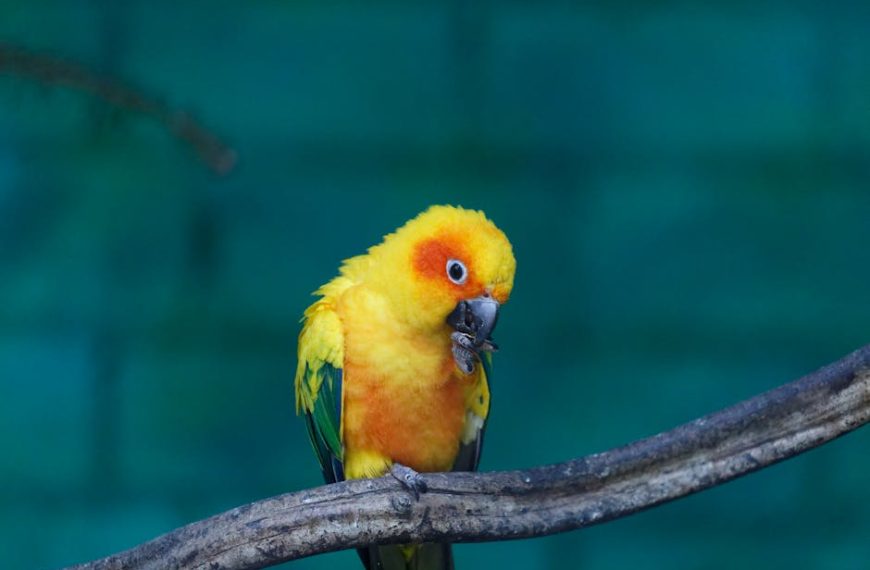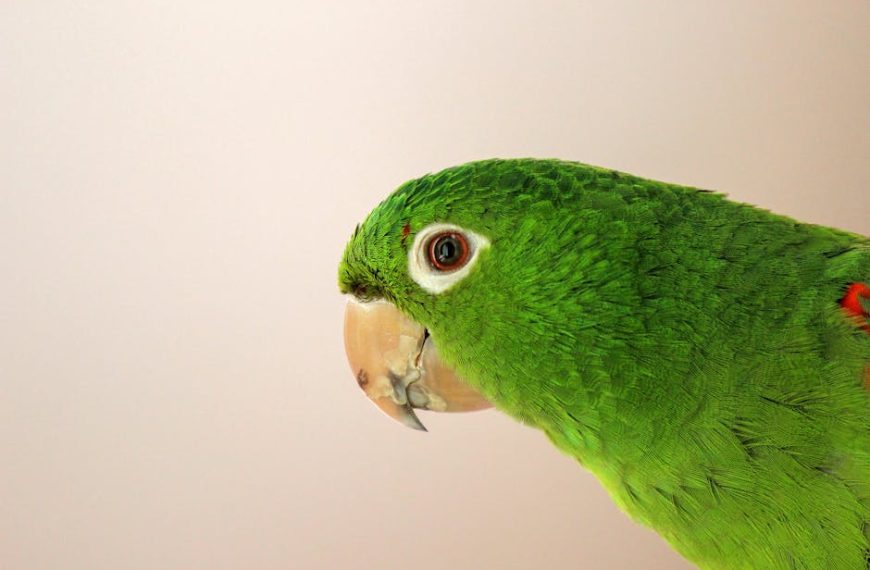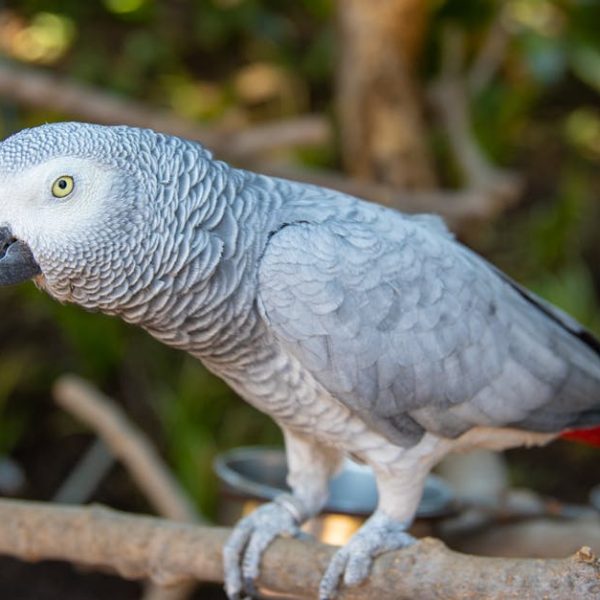
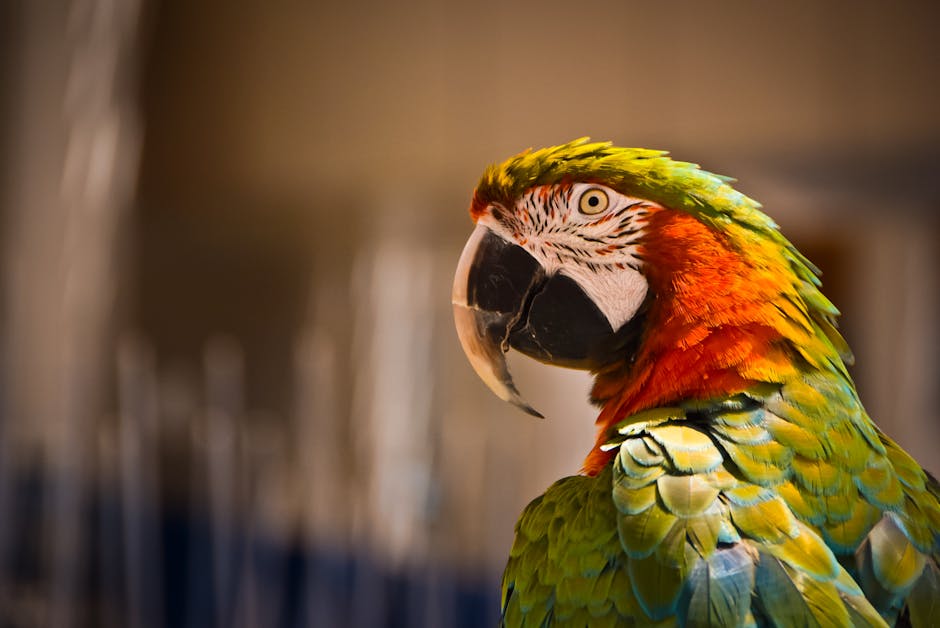
Fruits make a delightful addition to the diet of any pet parrot, and tropical beauties like mangoes are no exception. Bursting with nutrients, Mangoes are not just safe but also beneficial for our feathered friends. However, they’re not a ‘free pass’ in a parrot’s diet due to a few considerations. In this article, we will delve deeper into this topic, discussing its nutritional content, feeding practices, potential risks, and dietary diversity for parrots.
Mangoes and Parrots: A Nutritional Overview
Mangoes are awash with essential nutrients such as Vitamins A and C, and dietary fiber. Vitamin A promotes good vision and the development of feathers, making your pet’s plumage vibrant and healthy. Vitamin C, an antioxidant, boosts the immune system, keeping your parrot lively and chirpy. The dietary fiber aids digestion and keeps the elimination process smooth.
Key nutrients in Mango:
- Vitamin A: Crucial for vision and feather health.
- Vitamin C: Boosts immunity and overall health.
- Fiber: Aids digestion and helps manage weight.
A ripe, juicy mango, buzzing with delectable sweetness, can be a treat for your parrot. The key here is to pick the right one. Opt for mangoes that have a sweet aroma at the stem and yield slightly under pressure. Avoid overripe or underripe ones as they could upset your parrot’s stomach.
Feeding Mangoes to Parrots: The Do’s and Don’ts
Feeding mango to your parrot isn’t difficult, but it must be done in moderation. Due to their high sugar content, mangoes are best served as a treat rather than filling up the feeder bowl. Getting portion sizes correct is crucial to preventing obesity and ensuring your parrot enjoys a balanced diet.
Here’s a quick checklist for feeding your parrot mango:
- Wash the mango thoroughly to remove any traces of pesticides.
- Slice the mango open and remove the pit.
- Cut the mango into small, beak-friendly pieces.
- Fill your parrot’s feeder with a small portion of mango, accompanied with a balanced mix of other elements of their diet.
Remember, while mangoes are safe for parrots, it’s essential not to overdo it. Even though your pet might adore this sweet delight, too much of it can cause health issues over time due to its high sugar content. It’s all about balance and variety.
Potential Risks And Precautions When Feeding Mangoes to Parrots
As delightful as mangoes are to parrots, they do come with potential risks. These include choking hazards due to improper portion sizes or the pit, possible allergic reactions to the skin, and health issues due to excessive sugar intake.
Weighing the pros and cons of feeding mangoes to parrots:
- Pro: Nutrient-rich treat that parrots love.
- Con: High sugar content requires moderation.
One way to ensure safety is to always observe your parrot after introducing a new food, including mango. Watching for any signs of discomfort or allergy can help you tackle any issues quickly. While uncommon, some parrots could be allergic to mango and if they show signs of discomfort, it’s best to remove the mango from their diet and consult a vet. Remember, safety first. Always remove the pit and skin, cut the mango into small, manageable pieces, and monitor their sugar intake to maintain a healthy, happy parrot.
Alternatives to Mangoes for Parrot Diets
As with any balanced diet, variety is key. And while mangoes are indeed a parrot favorite, there are numerous other fruits you can use to enrich your parrot’s dietary life. Apples (without the seeds), bananas, berries, and even pomegranates can add valuable nutrients and fibre to a parrot’s diet. Citrus fruits can also be beneficial in small quantities due to their high vitamin C content.
Here is a brief comparison of nutritional contents in mangoes and some other parrot-safe fruits:
| Fruit | Vitamin A | Vitamin C | Fiber |
|---|---|---|---|
| Mango | High | High | Medium |
| Apples | Low | Medium | High |
| Bananas | Low | Medium | Medium |
| Berries | Medium | High | High |
In addition to these fruits, fresh vegetables like spinach, carrots, peppers and broccoli are also stellar choices for your parrot’s diet.
Understanding Parrot Nutrition: Importance of a Balanced Diet
Maintaining a balanced diet is the first step in ensuring the health and happiness of your parrot. The perfect parrot diet resembles a perfectly composed song, with different elements working in harmony to create a masterpiece of nutrition. This will often include a mix of pellets, grains, fresh fruits, and vegetables.
Pro Tip: Start by integrating a variety of fruits and vegetables in your parrot’s diet with the mainstay being specially formulated parrot pellets. Remember, variety and moderation form the cornerstone of a healthy, balanced diet.
A healthy and balanced parrot diet should include:
- Parrot pellets: Formulated to suit the nutritional requirements of parrots.
- Fresh fruits: Like apples, bananas, mango, and berries.
- Vegetables: Including spinach, carrots, peppers, and broccoli.
- Grains: Such as cooked rice or pasta.
Remember, keeping your parrot’s diet rich, varied and balanced isn’t just about ensuring they live a long, healthy life. It’s also about enriching their life with a diverse range of flavours and textures to keep them interested and satisfied. So get creative with your parrot’s diet, and watch them thrive!
Key Takeaway:
- Mangoes are packed with essential nutrients such as Vitamins A and C, and dietary fiber that are beneficial for parrots, however they must be served in moderation.
- It’s important to choose ripe mangoes and prepare them properly by removing the pit and skin and cutting them into bite-sized pieces.
- Although mangoes provide benefits, potential risks like choking, potential allergies, and high sugar content must be taken into consideration.
- To maintain a healthy and balanced diet for parrots, variety is key. Fruits like apples, bananas, and berries and vegetables like spinach and carrots should be included.
- A balanced diet for parrots primarily consists of specially formulated pellets, fresh fruits, vegetables, and grains in moderation.
Parrots bringing so much joy and vibrant life to your home, they deserve to be cared for with the utmost diligence and knowledge. Make informed decisions about their nutrition, keeping in mind to strike a balance between the nutrients they require and the flavors they love. Nurture your parrot with a well-rounded, balanced diet as a token of your love and affection.
FAQs
Q: Apart from mangoes, which other fruits can be harmful to parrots?
A: While most fruits are safe, some such as avocado and unripe apple seeds can be harmful. Hence, always research and consult your vet before introducing new fruits into their diet.
Q: Can I feed fruit seeds or pits to my parrot?
A: It’s best to avoid feeding fruit seeds or pits to parrots as they may pose choking hazards or contain toxic substances. Only provide the fruit flesh to your pet bird.
Q: How often should I feed fruits to my parrot?
A: Fruits should be a part of your parrot’s daily diet but remember, they shouldn’t form the majority of it. Strive for a balanced diet including pellets, grains, and vegetables, with fruit as a sweet addition.
Q: What are signs of an allergic reaction in parrots?
A: Signs could include loss of appetite, change in droppings, ruffled feathers, coughing, or wheezing. If you notice anything unusual, contact a vet immediately.
Q: What portion size is appropriate when feeding mango to my parrot?
A: Smaller parrot breeds may only need a teaspoon-sized serving, while larger breeds may enjoy up to a tablespoon. Always monitor your pet for any changes after introducing new food.
This article is a treasure trove for parrot owners eager to provide the best care for their feathery friends. Please feel free to share it or explore more informative posts on our website!