
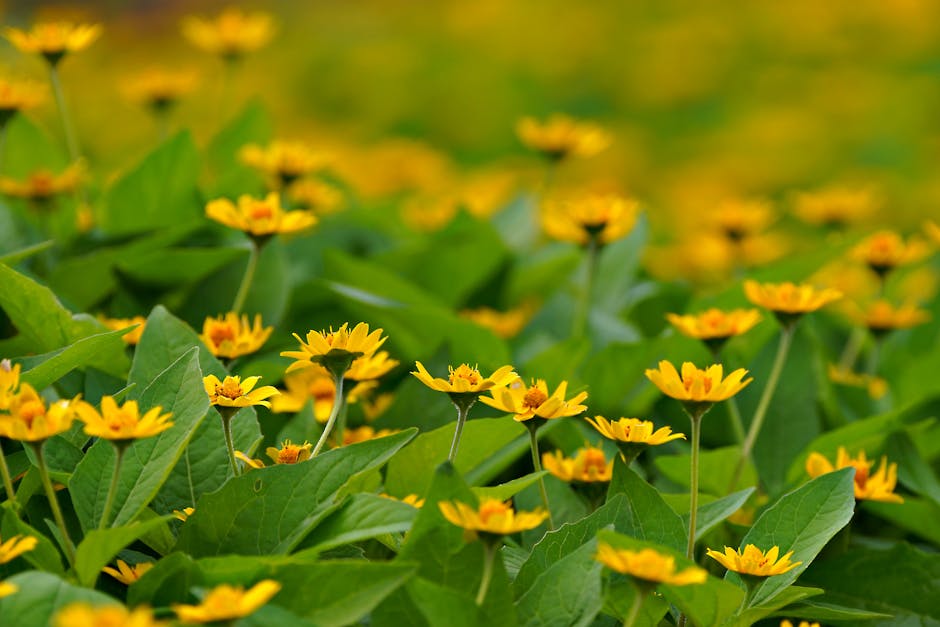
There’s something undeniably captivating about the sight of yellow wildflowers cheerily waving in the breeze. More than just a visual delight, these radiant blossoms are steeped in symbolism and play a critical role in maintaining ecological balance. In this article, we’ll delve into the wonders of yellow wildflowers, exploring their varieties, significance, and roles in ecosystems. We’ll also look at best practices to cultivate these sun-drenched beauties in your garden and understand their use in natural healing remedies.
Exploring the Vibrant Varieties of Yellow Wildflowers
Yellow wildflowers come in an astonishing array of shapes, sizes, and species, each with its distinct characteristics. Some are petite and delicate, like the Buttercup and Marsh Marigold, both found in moist meadows and ditches, known for their shiny, bright yellow petals. Others, like the Goldenrod and Sunflower, are stately and bold, iconic for their towering heights, and a trendsetter in fields, prairies, and roadsides.
- Buttercup: Recognized by its glossy yellow petals, Buttercup is abundant in wetlands, grasslands, woodlands, and coastal areas.
- Marsh Marigold: This early bloomer is usually seen in swamps and damp meadows, known for its bold yellow color and large foliage.
- Goldenrod: An upright perennial with tiny, brilliant yellow flowers that form plume-like clusters, found in open areas like meadows, savannas, and roadsides.
- Sunflower: Known for its large, sun-facing blossoms, this genus includes a variety of species that thrive in dry grasslands and deserts to riverine forests and gardens.
Symbolism and Significance of Yellow Wildflowers
In the language of flowers, yellow wildflowers often symbolize joy, friendship, and the brightness of the sun. They bring cheerfulness and positive energy, which is why they are popular for festive occasions and friendly gatherings. Additionally, yellow wildflowers are known to express feelings of warmth, respect, and platonic love.
 Pro tip: Consider gifting a bouquet of yellow wildflowers like Marigolds or Sunflowers when you want to convey admiration, loyalty or a simple message of friendship to someone.
The Role of Yellow Wildflowers in Ecosystems
The influence of yellow wildflowers isn’t just aesthetic; they play a pivotal role in biodiversity. They provide essential pollen and nectar to bees, butterflies, and other insects, promoting pollination and contributing significantly to local ecosystems’ health. Moreover, their seeds and foliage serve as food for a variety of wildlife.
However, it’s crucial to ensure that the presence of yellow wildflowers is maintained in a balanced manner. Some aggressive species can potentially invade spaces and oust other native plant species if not controlled.
Remember: To maintain a balanced wildflower garden area, consider planting a combination of native yellow wildflower types to prevent any single species from dominating.
Cultivating Yellow Wildflowers: A Guide for Gardeners
Growing yellow wildflowers in your garden can bring a splash of mesmerizing color and enrich biodiversity. However, it demands a bit of planning and know-how. The right care, the ideal conditions, and maintenance are vital to the longevity of your wildflowers.
Planting: The best time to sow yellow wildflowers seeds is during the spring or fall. Select a sunny spot for your garden as most yellow wildflowers thrive in direct sunlight. Be sure to prepare the soil bed by removing any weeds and large rocks. Sow the seeds and cover them lightly with soil.
General Care: Yellow wildflowers are typically hearty and resilient, with limited watering requirements. They thrive in well-drained soil and do not require fertilizers. One key tip is to protect the young plants from pests and wildlife until they are well-established.
 Pro tip: To prevent overgrowth and weed invasion, consider setting up a flower bed border or planting in pots or raised containers.
Using Yellow Wildflowers in Natural Remedies and Healing
Many yellow wildflowers offer more than a visual treat – they’ve been used for centuries in traditional medicine for their healing properties. While these remedies can be beneficial, remember to always consult a healthcare professional before use, to avoid unexpected side-effects.
- Dandelion: This robust wildflower is considered a powerhouse of nutrients. The leaves can be consumed in salads, and its roots can be used to make tea that aids digestion.
- Sunflower: Sunflower seeds are rich in ‘good fats,’ vitamin E, and antioxidants. They can help lower bad cholesterol levels, control blood pressure, and provide energy.
- Yarrow: Yarrow has been used in traditional herbal medicine for its anti-inflammatory properties, healing wounds, treating fevers and colds, as well as digestive disorders.
- Evening Primrose: The oil extracted from Evening Primrose seeds has been used for treating eczema, rheumatoid arthritis, and premenstrual syndrome (PMS) symptoms.
Remember, while these wildflowers have known healing properties, they should be used responsibly, under the guidance of a healthcare professional, and should not replace prescribed medications.
Remember: Always identify the wildflower correctly before using it for medicinal purposes. Misidentifying a flower can lead to harmful side effects.
As you’ve discovered, yellow wildflowers are not just a visual spectacle but add immense value to our ecosystems, gardens, and health. So, the next time you encounter these sun-kissed beauties waving at you, know that there’s a lot more to their charming allure than meets the eye.
Key Takeaway:
- Yellow wildflowers are incredibly diverse and each type comes with its unique characteristics.
- These vibrant blossoms symbolize joy, friendship, and brightness, hence their popular use in festive occasions and gatherings.
- Beyond their aesthetic appeal, yellow wildflowers contribute to biodiversity by providing essential nutrients to pollinators and wildlife, bolstering ecosystem health.
- Cultivating your own yellow wildflowers demands the right conditions, care, and maintenance but can enrich your garden both visually and in terms of biodiversity.
- Certain yellow wildflowers possess medicinal properties and are used in natural healing remedies, though expert advice is essential before usage.
Yellow wildflowers truly encapsulate the wonders of nature, both visually and functionally. They are an embodiment of joy and friendship, contribute to the vibrancy of our ecosystems, and hold potential therapeutic benefits. Indulging in the cultivation of these sun-kissed beauties promises not only a rewarding gardening experience but also a small, personal contribution to preserving biodiversity. However, remember never to use wildflowers in healing remedies without first consulting with a healthcare professional.
FAQs
Q: What is the right time to plant yellow wildflowers?
A: The best time to sow yellow wildflowers seeds is during the spring or fall, depending on the variety and local climate.
Q: Can yellow wildflowers survive in shaded areas?
A: Most yellow wildflowers thrive in direct sunlight. However, some types can tolerate partial shade. Always research the specific requirements of the variety you’re planning to cultivate.
Q: How often should I water yellow wildflowers?
A: Yellow wildflowers typically require minimal watering and prefer well-drained soil to overly wet conditions. Ensure the soil has dried out from the previous watering before watering again.
Q: Can I use yellow wildflowers as a natural remedy at home?
A: Some yellow wildflowers have been traditionally used for their healing properties. However, it is imperative to consult a healthcare professional before using any wildflower for medicinal purposes to avoid unwanted side effects.
Q: Do yellow wildflowers require fertilizers for growth?
A: Yellow wildflowers usually don’t require any fertilizers as they are robust and hardy. However, the requirements might vary based on the specific variety of the flower.
We hope this article was enlightening and ignites your interest in the world of yellow wildflowers. Feel free to explore more posts on our website and share this article with others that may enjoy it.