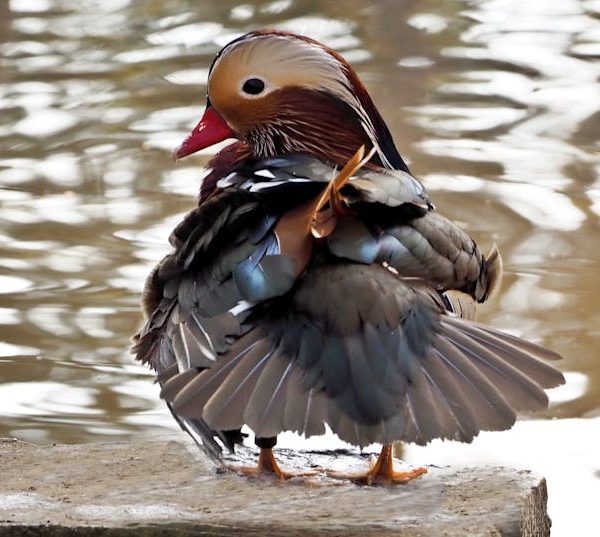
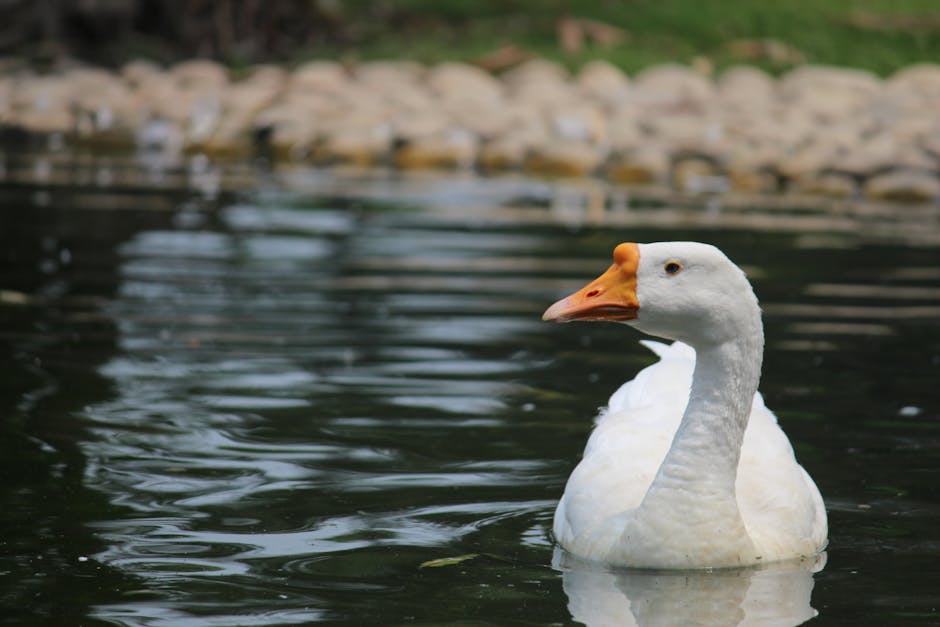
If you have ever found yourself asking the question, Can ducks eat beans? then this article is for you. Satya here with the answer: Yes, ducks can eat beans – but it’s not quite that simple. Let’s delve further into this subject and understand the key factors influencing this decision.
Ducks Dietary Requirements: What Do They Need?
Ducks, being omnivorous birds, have quite a diverse diet. Their dietary requirements include a mix of plant-based foods like grains, grasses, and aquatic plants, as well as tiny critters like insects and slugs.
To keep a duck healthy and thriving, their diet should contain the following essential nutrients:
- Proteins: Requirement met by seeds, peas, and small insects.
- Carbohydrates: Fulfilled by corns, grains, and bread.
- Minerals and Vitamins: Available in greens like lettuces, spinach, and aquatic plants.
Pro tip: Balance is key! The right mix of different types of nutrients is often more beneficial than large amounts of one single component.
Beans As a Feed Option for Ducks: Understanding the Pros and Cons
Beans possess substantial nutritional value and can be a part of a balanced diet for ducks. However, there are essential considerations to bear in mind, as beans can have both positive and negative impacts.
Feeding beans to ducks: The Pros and Cons
| Pros | Cons |
|---|---|
| Beans are rich in protein, beneficial for duck’s growth and energy. | Raw beans can cause severe issues due to the presence of a harmful substance called lectin. |
| Beans are a good source of dietary fiber that aids in digestion. | Ducks might have an allergic reaction or find it challenging to digest beans, especially if sudden or in large quantities. |
Best practice here? Introduce beans to your ducks slowly, starting with small quantities, and observe closely for any adverse reactions.
Reasons Behind Beans Being Potentially Harmful for Ducks
While beans can serve as a good protein source, they can also prove harmful if not prepared correctly. Chiefly, the high lectin content in raw beans poses a danger to ducks.
Feeding raw, uncooked beans to ducks can cause complications like impaired nutrient absorption and gastrointestinal issues. Therefore, it’s crucial to cook the beans thoroughly before feeding them to your ducks.
Pro tip: Always provide your ducks with cooked, unsalted beans. Never feed them raw beans.
Signs of distress in your duck after consuming beans:
- Lack of appetite
- Visible distress or discomfort
- Changes in droppings
- Abnormal behavior
Healthy Alternatives to Beans for Ducks
If providing properly cooked beans seems like a hassle or you’ve noticed adverse reactions, there are plenty of healthy alternatives to consider. Foods like peas, corn, grains, and leafy greens can be excellent substitutes, delivering the necessary nutrients for your ducks without the risks associated with beans.
Suggested alternative food types:
- Peas: Rich in protein and fiber, easy to digest.
- Corn: Provides necessary carbohydrates, easy to consume.
- Leafy Greens: Full of essential vitamins and minerals.
Pro tip: While planning a diet regime for your ducks, strive for variety. Diverse feeding ensures a balanced diet and keeps your ducks interested and excited during meal times.
Frequently Asked Questions About Ducks and Bean Consumption
Having clarified some of the key concerns surrounding ducks and beans, we have compiled a selection of frequently asked questions to offer a more comprehensive understanding:
- How often can ducks eat beans?
- What type of beans can ducks eat?
- How should the beans be cooked?
Find these answers in the next part of the article! It’s always prudent to contact an avian health professional if your ducks display any signs of illness after consuming beans. They are the best source for a final word in your ducks’ health matters. ANd remember, every duck is unique – what works for one might not work for another! So stay attentive, act wisely, and your ducks will be healthy and happy!
Ducks Dietary Requirements: What Do They Need?
Ducks are omnivorous birds, which means they are capable of eating a wide variety of foods. This includes plant-based foods, such as grasses, grains, and aquatic plants, as well as small insects and slugs. In short, a duck’s diet should be diverse to provide all the necessary nutrients they need to stay healthy and thriving.
Key essential nutrients for a duck’s diet include:
- Proteins: Necessary for growth and repair of body tissues. Seeds, peas, and small insects are a great source.
- Carbohydrates: Provide energy for daily activities. This can be gotten from corns, grains, and bread.
- Minerals and Vitamins: These are essential for a duck’s overall health and can be found in greens like lettuces, spinach, and aquatic plants.
Pro tip: Balance is key! Different nutrients are not ‘substitutes’ for each other, they all have essential and unique roles to play in a duck’s overall health. Make sure to provide a balanced diet that contains different types of nutrients rather than focusing on large amounts of a single component.
Beans As a Feed Option for Ducks: Understanding the Pros and Cons
Beans can be a viable option as a feed for ducks due to their nutritional value. However, like any other food, beans have their pros and cons when used as a feed for ducks.
Some advantages and disadvantages of feeding beans to ducks include:
| Pros | Cons |
|---|---|
| Beans are rich in protein, aiding in the growth and energy boost of ducks. | If fed uncooked, beans can pose a health risk to ducks due to the presence of a harmful substance called lectin. |
| Beans are also a good source of dietary fiber, which aids digestion. | Some ducks might find it challenging to digest beans, especially if they are introduced to the diet suddenly or in large quantities. |
Best practice here is to introduce beans into a duck’s diet slowly. Start with small quantities and make sure to observe the duck for any potential negative reactions.
Reasons Behind Beans Being Potentially Harmful for Ducks
While beans can serve as a protein-rich food for ducks, they need to be prepared properly. If not, they can potentially do more harm than good. One significant reason behind this is the high content of a substance called lectin found in raw or poorly cooked beans. Until they are properly cooked, these lectins can be toxic to ducks, causing problems like impaired nutrient absorption and gastrointestinal issues.
Pro tip: Always provide your ducks with properly cooked, unsalted beans. Never feed them raw or even partly cooked beans.
To spot if your duck is feeling unwell after consuming beans, look out for the following signs:
- Loss of appetite.
- Visibly distressed or uncomfortable.
- Changes in droppings such as color, frequency, or consistency.
- Abnormal behavior such as lethargy or restlessness.
Healthy Alternatives to Beans for Ducks
If beans are proving to be a lot of work or your ducks are not responding well to them, you can replace them with several healthy alternatives. Some of these alternatives are peas, corn, grains, and leafy vegetables, all of which are loaded with essential nutrients that are beneficial to ducks.
Here are some examples:
- Peas: They are rich in both protein and fiber, and they are also easy to digest.
- Corn: Is rich in carbohydrates, providing the energy ducks need for their daily activities.
- Leafy Greens: They contain essential vitamins and minerals that contribute to a duck’s overall health.
Pro tip: Variety is the spice of life and the key to a balanced diet. To ensure balanced nutrition and to keep feeding time exciting for your duck, try to mix different types of food in their diet.
Frequently Asked Questions About Ducks and Bean Consumption
Feeding beans to ducks is a topic that regularly raises a lot of questions, and rightfully so! It requires understanding and caution. Here, we have compiled some of the most common questions about this topic and their answers.
- How often can ducks eat beans?
- What type of beans can ducks eat?
- How should the beans be cooked for ducks?
Each of these questions will be answered in the next part of the article. Remember that if your duck shows signs of illness after consuming beans, always consult with a professional. The health of your duck is paramount, so never hesitate to seek advice when necessary. As always, keeping a close eye on your duck’s behavior and response to new foods can make all the difference. Happy feeding!
Key Takeaway:
- Ducks need a balanced diet of protein, carbohydrates, and vitamins and minerals gained from a variety of sources such as seeds, peas, insects, corns, grains, and greens.
- Beans can be included in a duck’s diet as they provide protein and dietary fiber. However, improperly prepared beans that contain toxic lectins can negatively impact a duck’s health.
- Always introduce beans gradually and monitor ducks closely for any adverse reactions.
- Properly cooked, unsalted beans are safe for ducks to consum.
- If beans are not suitable, there are alternative food options such as peas, corns, grains, leafy greens and these can provide the essential nutrients required by ducks.
Let’s not forget, every duck is unique – so their diet should be tailored to their specific needs and preferences. Ensuring that the food is carefully prepared and gradually introduced can keep them healthy and thriving. Remember that a diverse diet will not only provide all necessary nutrients but also make feeding time an exciting experience for your ducks!
FAQs
Q: What other proteins could I feed my ducks apart from beans?
A: Other protein sources that are safe for ducks include peas, lentils, and small insects. However, always introduce them gradually and watch out for any potential allergies.
Q: Can ducks eat canned beans?
A: Ducks can eat canned beans as long as they are free from added salt or any other condiments. However, make sure to rinse them thoroughly before serving to get rid of any preservatives.
Q: Are certain breeds of ducks more prone to bean allergies?
A: All ducks can potentially react negatively to beans, regardless of the breed. If you notice any adverse reactions, stop feeding beans immediately and consult an avian vet.
Q: How do I know if my ducks are getting a balanced diet?
A: A balanced diet means your ducks are getting necessary nutrients from various sources. If your ducks are thriving, displaying high energy levels and good health, it’s an indicator of a balanced diet.
Q: Is it safe to give my ducks beans every day?
A: Over-consumption of anything can be harmful, and this goes for beans as well. Beans should be served as part of a varied diet and not be the only source of nutrition for your ducks.
Encourage your friends and followers to educate themselves about proper duck feeding by sharing this article. Continuous learning can ensure the well-being of your feathered friends! Explore more posts for additional tips and advice on taking care of ducks.