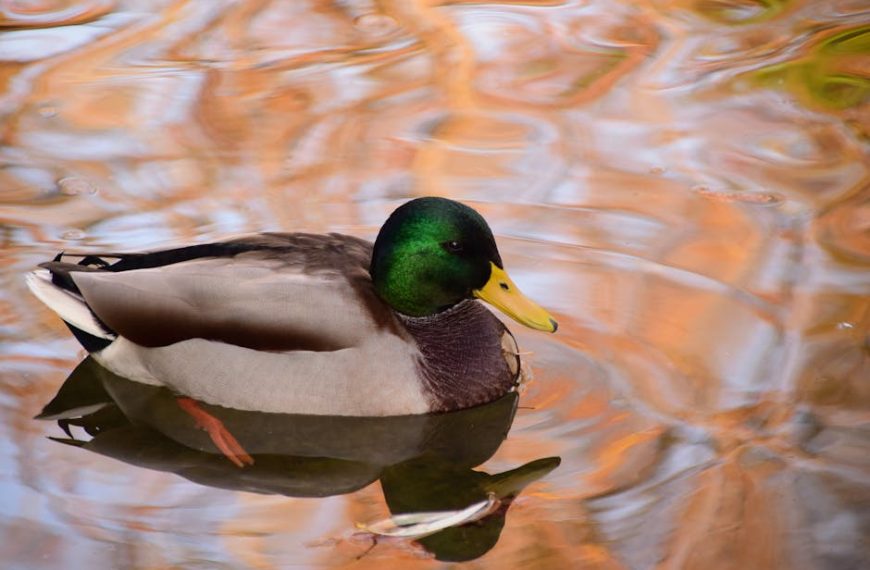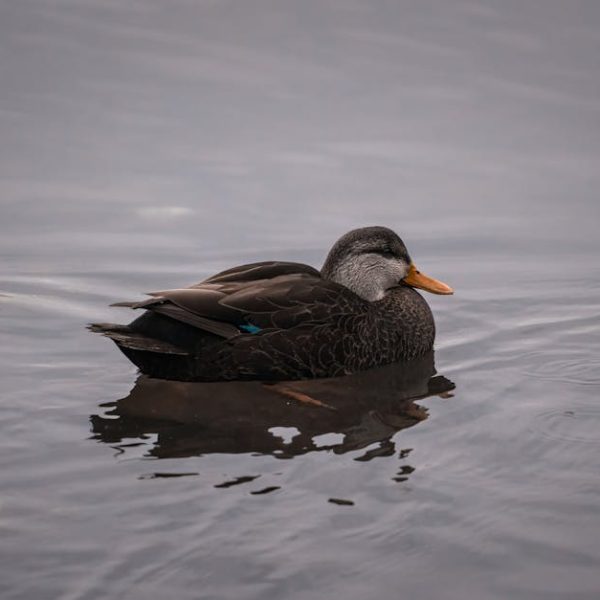
While it may seem like a harmless act of kindness, feeding ducks fries could potentially harm these charming creatures. The reality is that ducks, like all creatures, have dietary needs that are best met through their natural sources of food. This article sheds light on the natural diet of ducks, the potential harm caused by feeding them fries, and recommends safer human food alternatives.
Understanding a Duck’s Natural Diet and Nutritional Requirements
Ducks are omnivorous birds, meaning they eat both plants and small animals. Their natural diet primarily consists of aquatic vegetation, seeds, small fish, and bugs. These food items are rich in essential nutrients like proteins, fats, vitamins and minerals, all critical for the duck’s overall health and well-being.
- Aquatic plants provide ducks with needed carbohydrates and fiber, promoting good digestion and energy levels.
- Seeds and small insects, rich in protein, are essential for healthy feather growth and muscle development.
- Small fish supply a healthy dose of omega fats, integral to heart and brain health.
It’s crucial to remember that the dietary needs of a duck are best met through their natural food sources, which have the perfect blend of nutrients.
Why Fries Can be Harmful to Ducks
Fries, a popular human snack, are high in salt and unhealthy fats. Though they aren’t toxic to ducks, their nutritional composition is not suitable for these birds, especially when consumed in excessive amounts.
- High levels of salt found in fries can lead to salt toxicity in ducks, causing symptoms like thirst, weakness and even seizures.
- Fries are typically fried in unhealthy oils, resulting in a high fat content. Ducks are not genetically designed to digest large amounts of unhealthy fats, which can lead to obesity and other health issues.
Table 1: Comparison between natural duck food and fries:
| Natural Duck Food | Fries | |
|---|---|---|
| Nutritional composition | Rich in essential nutrients (proteins, fats, vitamins, and minerals) | High in salt and unhealthy fats |
| Health impact | Promotes overall health and wellbeing | Can lead to obesity and health disorders |
Safe Human Food Alternatives for Feeding Ducks
If you are keen on feeding ducks, the good news is there are numerous safe human food alternatives that you can consider:
- Chopped lettuce, peas, and cooked rice are easily digestible for ducks
- Grapes cut in half, or slices of banana, are welcome treats.
- Oatmeal, either raw or cooked, is a highly nutritious option.
Each of these foods provide the relevant nutritional insight that promotes the health of ducks. It is, however, important to feed ducks these alternatives in moderate quantities to avoid possible overfeeding.
The Impact of Human Feeding Habits on Waterbirds
While it may seem like a fun and endearing activity, our well-meant feeding habits can have negative impacts on waterbirds like ducks. Feeding them inappropriate food, like fries, can result in malnutrition, disease, and obesity. Habitual feeding can also make ducks less wary of humans, increasing their vulnerability to harm.
- Ducks can become overly dependent on human-fed meals, reducing their inclination to forage for natural food.
- Habituation to humans can lead to ducks being injured due to proximity to roads or vulnerability to predators.
- Fragmentation of a duck’s natural community can happen, leading to overpopulation and increased disease transmission.
⚙ Pro Tip Box: While feeding ducks may seem enticing, there are ways to enjoy these creatures responsibly.
- Enjoy watching ducks from a distance to avoid altering their natural behaviors.
- Support initiatives that restore or maintain natural habitats where ducks can feed on natural food sources.
- Educate others about proper feeding habits to avoid the inadvertent harm caused by feeding ducks fries or other unsuitable human food.
Promoting Awareness and Responsible Practices Around Duck Feeding
Addressing the issue of unhealthy feeding practices starts with awareness. It’s essential to understand the critical ripple effects our actions can have on duck health and habitats. Once equipped with the proper knowledge, we can commit to responsible practices that respect and protect ducks.
Best Practices for Safe and Responsible Duck Feeding:
- Always research before feeding any wildlife to understand their diet and nutritional needs.
- Resist the urge to feed ducks if you don’t have appropriate food alternatives.
- Share your newfound knowledge with others to spread awareness and proper behavior in feeding ducks.
Simple Actions for Promoting Responsible Practices:
- Use social media platforms to spread the message about responsible feeding practices.
- Volunteer or donate to wildlife organizations that promote healthy environments for ducks.
- Discuss responsible feeding practices within your community to inspire others to take action.
Let’s remember, when we know better, we can do better. And when we do better, animals, people, and the environment benefit together. Let’s strive to enjoy nature responsibly, ensuring that ducks can continue delighting us for generations to come.
Key Takeaway:
- Ducks’ dietary needs are best met through their natural sources of food that provide a balanced mixture of proteins, fats, vitamins and minerals.
- Feeding ducks fries, which are high in salt and unhealthy fats, can lead to health issues such as salt toxicity and obesity.
- Safe human food alternatives for ducks include chopped lettuce, peas, cooked rice, oatmeal and certain fruits.
- Spread awareness and promote responsible feeding practices to preserve the health and habitats of ducks.
Ducks bring joy to our lives and maintaining their health is crucial for these wonderful creatures to continue to thrive. If you feel the urge to feed ducks, do a quick research on safe food options. Avoid feeding them harmful foods like fries and always practice responsible, respectful engagement with wildlife.
FAQs
Q: Can ducks eat bread?
A: Bread is not advisable for ducks. While not toxic, bread is low in nutritional value and can contribute to health issues such as malnutrition and obesity when consumed regularly.
Q: How do I discourage ducks from coming too close to my house?
A: One effective way to discourage ducks from coming too close is to avoid feeding them. Ducks can associate humans with food, and they’ll return regularly if they think there’re meals waiting.
Q: Can I feed ducks if there are no natural food sources nearby?
A: If natural food sources are limited, you can feed ducks using safe and nutritional food alternatives. Just remember to feed them moderately to prevent dependency.
Q: How can I help protect duck habitats?
A: You can support initiatives and organizations that are dedicated to protecting and maintaining natural habitats for ducks. Being conscious about your surroundings and not contributing to pollution is another great way.
Q: What are some signs of illness in ducks?
A: Changes in behavior, eating habits, or physical appearance can be signs of illness in ducks. If you suspect a duck might be sick, contact your local wildlife rehabilitation center for advice.
We encourage you to share this article with others and explore more posts on our website to help spread awareness about responsible wildlife practices.