Eggplants and Parrots: A General Overview
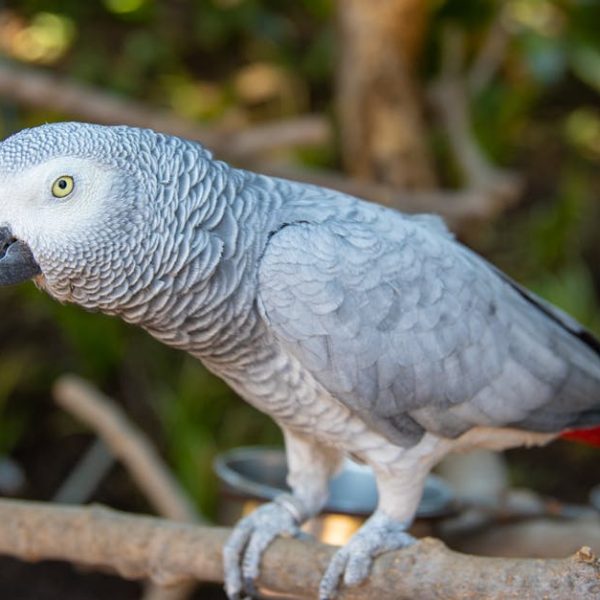
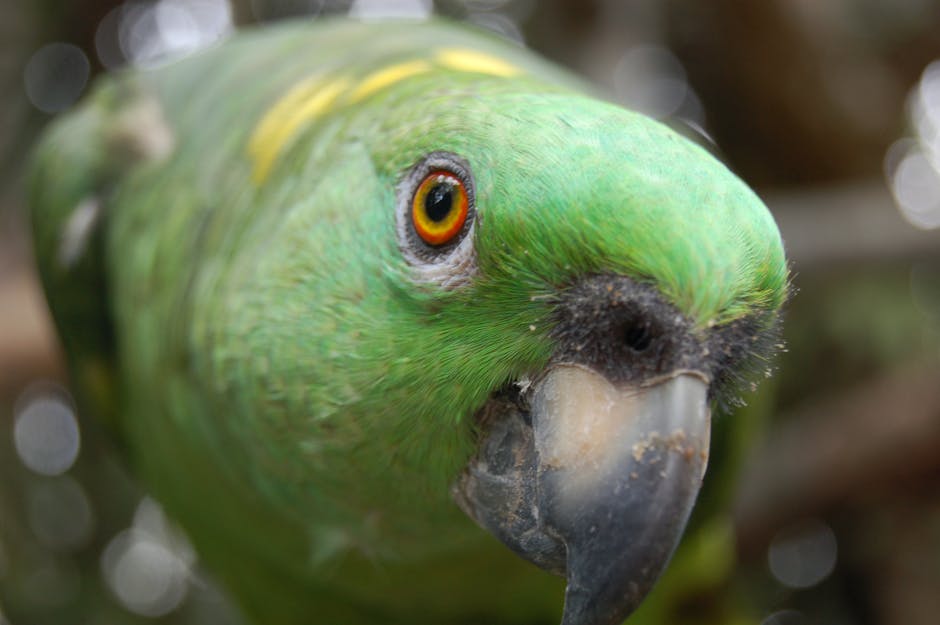
If you’re the proud owner of a pet parrot, you’ve likely already discovered that these lively and intelligent birds require varied diets to stay content and healthy. Like us humans, they thrive on a rich assortment of foods and not just birdseeds. Their diets can include fruits, vegetables, grains, and even legumes, offering a burst of essential nutrients.
Meanwhile, eggplants, native to South Asia and commonly used in a variety of global cuisines, are a nutrient powerhouse. Loaded with fiber, vitamin K, and several antioxidants, they have proven health benefits for humans. But the question that arises for parrot parents is – can these health benefits be extended to feathered companions?
Entreating the occasional new food into your parrot’s diet can be great fun. But remember:
Pro tip: Always consult with a vet or animal nutritionist before introducing new food items into your parrot’s diet. This checklist of common foods and treats fit for a parrot may be handy: fresh fruits (except avocados), vegetables, cooked grains, and cooked legumes.
The Nutritional Profile of Eggplant and Its Benefits for Parrots
A deep dive into the nutritional profile of eggplants reveals high water content and a substantial dose of dietary fiber, vitamin K, vitamin B6, and various antioxidants like lutein, zeaxanthin, and phenols. These nutrients promote digestion, bone health, and overall physiological functionality.
The fiber in particular, can stimulate the parrot’s digestive functions, ensuring the smooth elimination of waste. The antioxidants, on the other hand, help neutralize damaging free radicals inside the bird’s body, protecting them from various diseases.
Clearly, eggplants do hold benefits for parrots. However, they aren’t entirely devoid of risks either:
- Advantage: High nutrient value.
- Disadvantage: Possibility of specific compound toxicity.
Safe and Healthy Ways to Feed Eggplant to Parrots
For parrot owners keen to incorporate eggplant into the bird’s diet, it can be served raw or lightly cooked. Avoid using oil or seasonings which can be harmful to the bird’s health. Ensure the eggplant is thoroughly washed to rid it of pesticides and other harmful chemicals.
Rather than overloading your parrot’s plate with eggplant, mix it with other bird-safe fruits and vegetables. The goal is to create a textured, colorful, and nutrient-rich meal that’s fun for your parrot to eat. Cut the eggplant into small, manageable pieces that your bird can easily pick up with their beak.
Pro tip: Begin with a small quantity when introducing eggplant to your parrot’s diet. Keep a close eye on any changes in their health or behavior. If they appear to react poorly, discontinue feeding them eggplant and consult a vet.
Potential Risks or Concerns about Parrots Eating Eggplant
As healthy as the eggplant might be, it’s not without potential risks for parrots. It’s vital that parrot parents, like you, are aware of these risks before incorporating it into the bird’s diet. Many parrots can safely ingest small quantities of eggplant, but others may experience mild to severe reactions.
One concern is that eggplants belong to the nightshade family of vegetables, known to contain solanine, a naturally occurring chemical that can be toxic to some birds in large quantities. Symptoms of solanine poisoning in parrots can include lethargy, dilated pupils, increased heart rate, and in severe cases, even death.
However, considering the small amount of eggplant most parrots would consume, the chances of solanine poisoning are relatively low, but not absent.

Pro tip: As with all foods, moderation is key. Always prefer a balanced diet over an eggplant dominant one for your parrot.
Stay tuned for deeper insights into other vegetables safe for your parrots!
Other Vegetables that Parrots Can Safely Enjoy
In addition to eggplants, there’s a wide range of other vegetables that are safe and beneficial for your parrot’s health. These include carrots (high in vitamin A), bell peppers (rich in vitamin C), and leafy greens like spinach and kale (loaded with calcium and iron).
Diversifying your parrot’s diet is not just about maintaining their health – it also keeps their meals interesting and enjoyable. The variety of colors, textures, and flavors will pique their curiosity and keep them engaged during meal times.
Here are some other bird-safe vegetables that you might add to your parrot’s meal plan: broccoli, green peas, beets, pumpkins, zucchini, celery, and cucumbers.
When introducing new vegetables into your parrot’s diet, make sure to introduce them one at a time and keep close tabs on their reactions. If a specific vegetable causes a negative response, immediately discontinue it and consult with the vet.
Best Practices:
- Introduce new foods gradually and in small quantities.
- Always thoroughly wash any fresh produce to remove pesticides.
- Avoid feeding your parrot vegetables that have been seasoned or cooked with oils.
- All food items should be vet-approved before given to your parrot.
To conclude, eggplants, given their nutritional profile, can be a suitable addition to your parrot’s diet, provided they’re introduced gradually, prepared safely, and supplemented with other nutritious foods. However, if you ever have doubts or concerns about your parrot’s dietary needs, it’s best to consult your vet.
Key Takeaway:
- Parrots thrive on varied diets that include fruits, vegetables, grains, legumes, and eggplants can be a part of it due to their nutritional profile.
- Eggplants have fiber, vitamin K, vitamin B6, and various antioxidants which promote digestion, bone health, and overall physiological functionality in parrots.
- While it can be served raw or slightly cooked, eggplants should always be thoroughly washed to remove pesticides and other harmful chemicals.
- It’s important to maintain moderation as eggplants belong to the nightshade family, and the naturally occurring chemical, solanine, can be toxic to some birds in large quantities.
- There’s a wide range of other vegetables like carrots, bell peppers, and leafy greens that are safe and beneficial for parrots.
Remember, introducing new food, like eggplant, to your parrots should be a delightful exploration instead of a stressful ordeal. Begin with small amounts, monitor your bird closely for any adverse reactions, and consult with a vet if needed. Maintain a balance with a variety of vegetables to keep their meals interesting and nutritious.
FAQs
Q: Are any other vegetables harmful to parrots?
A: Yes, some vegetables can be harmful to parrots. Onions, for instance, can lead to anemia. Always ensure that the food you give to your parrot is vet-approved.
Q: Can parrots eat cooked vegetables?
A: Yes, parrots can eat cooked vegetables; however, they should not be overcooked as this leaches away essential nutrients. Any seasoning or oil should be avoided.
Q: How frequently can I feed eggplants to my parrot?
A: On account of possible solanine toxicity, it’s optimal to feed eggplants to your parrot occasionally and in small amounts.
Q: How can I tell if my parrot is having an adverse reaction to a new food?
A: Signs of an adverse reaction can include changes in behavior, lethargy, dilated pupils, or increased heart rate. If you suspect an adverse reaction, discontinue the new food and consult with a vet right away.
Q: Apart from vegetables, what else can go into a balanced parrot diet?
A: A balanced parrot diet can also include fruits (except avocados), grains, and legumes, all of which offer a wealth of necessary nutrients.
Please feel free to share this helpful article, and don’t hesitate to explore additional posts on our site for more valuable information about parrot care.