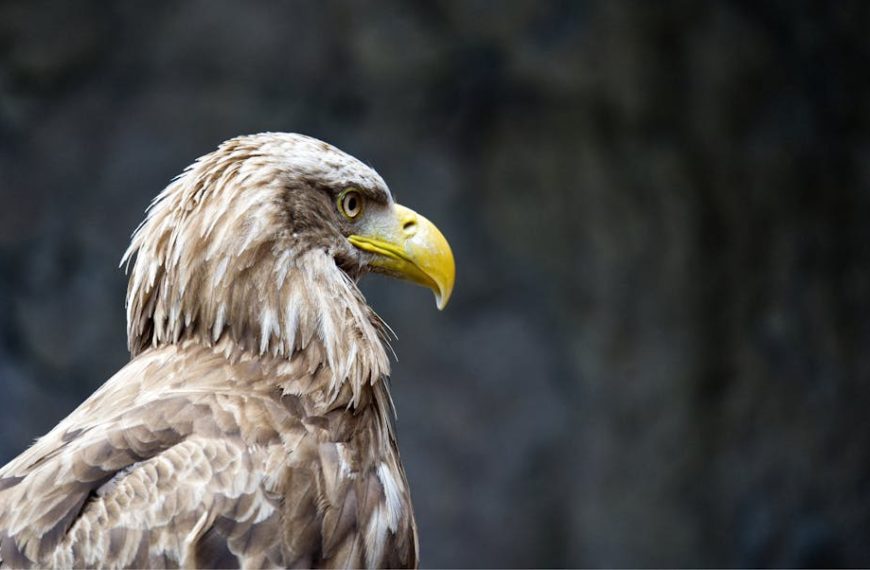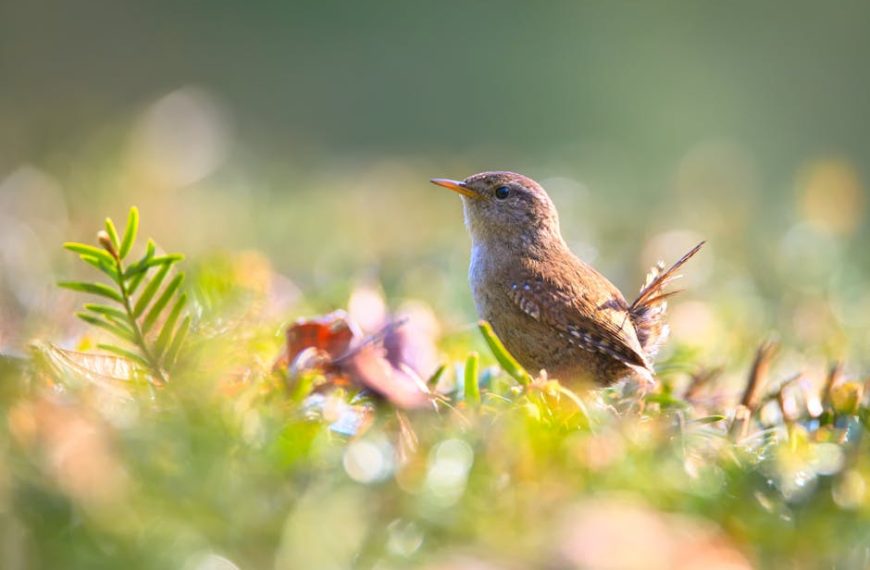
The Brown Thrasher, scientifically known as the Toxostoma rufum, is a fierce yet beautiful creature that resides primarily in North America. Richly hued in colors reminiscent of the rich Georgia clay landscape, these birds wear a lovely reddish-brown coat adorned with streaks of black down their front. With their massive wingspans and yellow irises that dance with an enigmatic spark, they are a sight to behold!
In the birding world, the Brown Thrasher is renowned for having the largest song repertoire among birds, with estimates of over 3200 unique songs. In 1970, Georgia selected the Brown Thrasher as its state bird. This decision was driven by the bird’s strong association with the state, being a familiar sight in suburban and urban areas, as well as its spirited defense of its nest, which seems to echo Georgia’s independent stance through history.
Habitat and Distribution of the Brown Thrasher
The Brown Thrasher is often seen amidst thorny patches and dense foliage, and it revels in ground foraging, sporting a preference for forest edges and open fields. As the name suggests, it’s a master thrasher, using its beak to rummage through leaf piles, underbrush, and soil to find insects, fruits, and seeds.
- Pro Tip: For birdwatchers, the best times to spot these lively birds are the early morning and late afternoon when they’re most active.
When identifying a potential Brown Thrasher habitat, look out for the following:
• Low, dense vegetation (ideal for nesting)
• Loose piles of leaves or other debris (used for foraging)
• Auditory signals like thrashing sounds or their distinct melodious warble
Nesting and Breeding Behaviors of the Brown Thrasher
Brown Thrashers are monogamous birds, showcasing fascinating nesting habits. They typically build their nests in dense, low-lying vegetation, often concealed on all sides. The nests, constructed by both male and female, consist mostly of twigs, leaves, and grasses.
- Fun fact: Did you know Brown Thrashers often build dummy nests to mislead potential predators? Talk about strategic planning!
Pro Tip: If you’re lucky enough to observe a nesting Brown Thrasher, ensure to maintain a respectful distance, as they are notorious for their protective nature.
The Brown Thrasher’s Dietary Preferences
The Brown Thrasher is quite the balanced omnivore, savoring a wide range of food across seasons. Their diet includes insects, such as beetles, ants and grasshoppers, fruits, nuts, and occasionally small amphibians and reptiles.
- Insects: Beetles, caterpillars, ants, grasshoppers
- Berries: Raspberries, blackberries, pokeberries
- Nuts: Acorns
- Small vertebrates: Frogs, lizards
Best Practices: To attract these lovely creatures to your backyard, consider planting native berry-producing shrubs and leaving leaf piles for them to forage in. Bird feeders with sunflower seeds can also be a hot-spot for these winged visitors!
The Role of the Brown Thrasher in Georgia’s Ecosystem
The Brown Thrasher plays an essential role in maintaining a healthy ecosystem in parts of Georgia. Their diet, composed mainly of insects and pests, serves as a natural pest control. Likewise, by feeding on a variety of berries and fruits, these birds play a pivotal role in seed dispersion, indirectly contributing to plant propagation.
However, like any creature, they can potentially have adverse effects. The Brown Thrasher, with its expansive diet, might prey upon beneficial insects or consume produce in gardens.
Here’s how the Brown Thrasher’s presence impacts the ecosystem:
Pros:
- Provides natural pest control
- Aids in seed dispersal which promotes plant growth
Cons:
- Can consume beneficial insects
- Can be a nuisance in gardens due to its vast diet
Best Practices: To help conserve the Brown Thrasher’s population and sustain their role in the ecosystem, here are a few suggestions:
- Preserve native vegetation: Brown Thrashers prefer areas with dense thorny shrubs, foliage, and wooded patches. Conserving such areas can promote their population.
- Limit pesticide usage: Since they are excellent pest controllers, avoiding pesticides can protect thrashers and improve their survival rates.
- Create a bird-friendly backyard: Plant native berry-producing bushes, provide fresh water, and maintain a secure habitat by keeping large pets away.
Unveiling the secrets of Georgia’s State Bird, The Brown Thrasher, highlights the intricate ways in which nature weaves its threads to create a vibrant tapestry. So, next time you find yourself in the Peach State, arm yourself with a pair of binoculars and head to the nearest natural reserve – you might just witness the lively thrasher in action. Surely, it will be a sight to behold!
Key Takeaway:
- The Brown Thrasher, or Toxostoma rufum, is the state bird of Georgia, with its fiery coloring and spirited nature resonating with the character of the state.
- These birds exhibit unique characteristics and behaviors, including a large song repertoire, complex nesting habits, and an expansive diet.
- The Brown Thrasher significantly contributes to Georgia’s ecosystem through pest control and plant propagation but may occasionally be a nuisance in gardens.
- Conservation efforts for the Brown Thrasher involve preserving native vegetation, limiting pesticide usage, and creating bird-friendly environments.
For all the nature lovers and bird enthusiasts, Georgia’s state bird, the Brown Thrasher, tells a captivating story of survival, resilience, and the intricate beauty of nature. As we learn about their intriguing lifestyle and significant role in the ecosystem, it reinforces our deep-seated connection with nature and the essential role we play in ensuring its continued abundance and diversity.
FAQs
Q: How can I identify the Brown Thrasher?
A: Look for a bird with a reddish-brown coat, streaks of black down its front, large wingspan, and striking yellow irises. Listen for a bird with an extensive repertoire of unique songs.
Q: Where are the most common habitats of Brown Thrasher in Georgia?
A: They usually reside in areas with thorny patches and dense foliage, forest edges, and open fields. They’re mostly active in the early morning and late afternoon.
Q: What are some unusual nesting habits of Brown Thrashers?
A: Brown Thrashers often construct dummy nests to confuse potential predators. It’s one of their unique strategies for nest protection.
Q: What typically comprises the diet of a Brown Thrasher?
A: A balanced omnivore, the Brown Thrasher’s diet includes insects like beetles and ants, berries, nuts, and occasionally, small amphibians and reptiles.
Q: What can I do to help conserve the Brown Thrasher?
A: You can assist in Brown Thrasher conservation by preserving grassy and wooded areas, limiting pesticide usage, and creating a bird-friendly environment in your backyard.
Your journey into the fascinating world of Georgia’s Brown Thrasher might leave you wanting to explore more about nature and its diverse inhabitants. We invite you to share this article and explore other posts on our site for more appealing wildlife experiences.