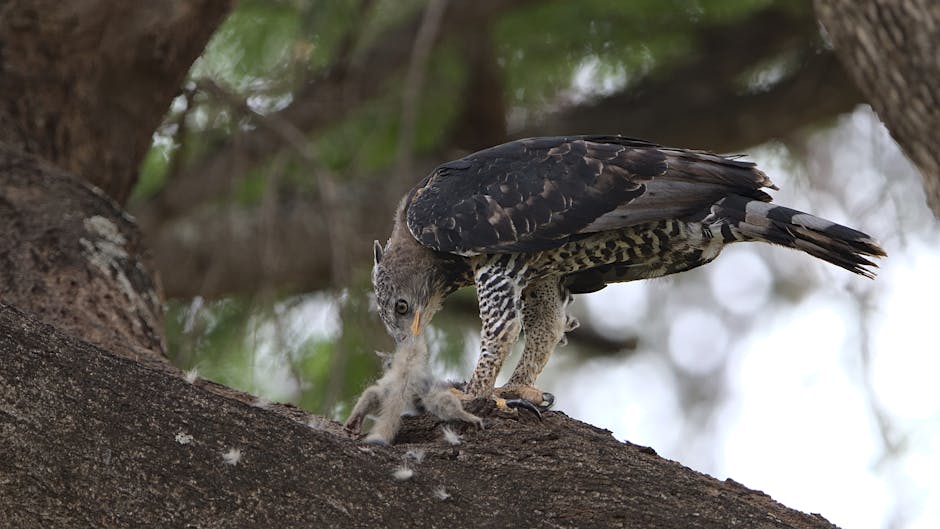
The world of birds of prey, or raptors as they are commonly referred to, is a fascinating world filled with awe-inspiring birds, remarkable adaptations, and primal struggles for survival. Two such remarkable raptors, the eagle and the owl, are both respected and revered within their respective habitats. However, their interactions with one another often spark curiosity, leading to the question: do eagles eat owls?
While eagles have been known to take down other birds in their pursuit of food, owls aren’t a routine part of their diet. However, this doesn’t rule out the possibility completely. There are certain circumstances, whether hammered by hunger or by territorial disputes, where an eagle could consider an owl as a potential meal. In the thrilling world of raptors, survival always takes priority.
Eagles and Owls: An Overview
Eagles and owls are both predatory birds, endowed with sharp beaks, strong talons, and an unyielding predatory instinct.
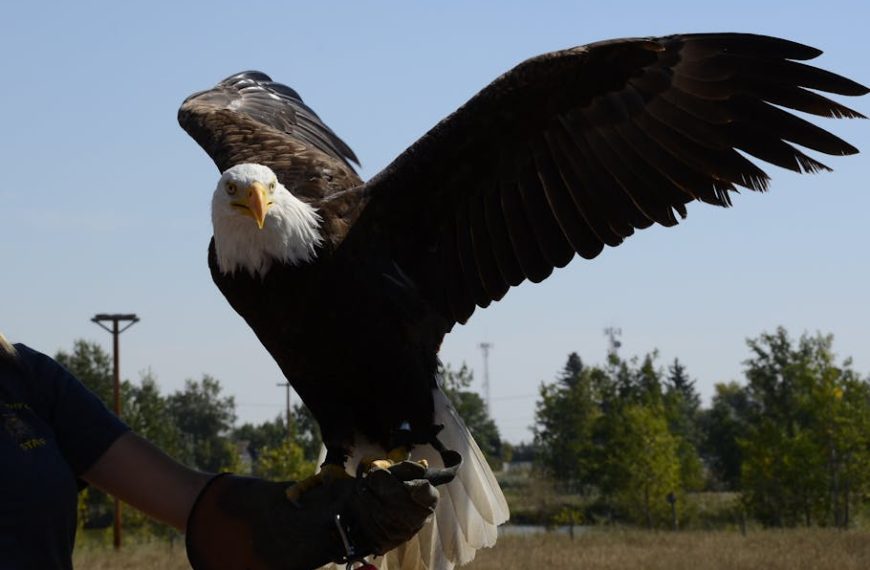
- Eagles are renowned for their magnificence and might. They are impressive in size and power, excelling in high-speed chases and high-altitude hunts. An eagle’s diet is varied, ranging from fish, snakes, and small mammals like rabbits to, occasionally, other birds.
- Owls, on the other hand, come in various sizes from the petite Elf Owl to the bulky Great Grey Owl. These nocturnal raptors are typified by round faces, large eyes, and incredible hunting prowess particularly under the cover of night. They typically feed on small mammals, insects, and occasionally, birds and reptiles.
Interactions Between Eagles and Owls
Encounters between eagles and owls aren’t that common, primarily due to their differing hunting times. Eagles are diurnal – preferring to hunt during the daylight hours, while owls are nocturnal – on the prowl once the darkness descends.
However, that doesn’t mean interactions are non-existent. Territorial disputes are the most common cause of eagle and owl interactions. Eagles and owls, being territorial creatures, often clash over prime nesting and hunting grounds when their territories overlap. This interaction is often aggressive, dictated by the instinct for survival and dominance – with the occasional unfortunate owl becoming a casualty of such disputes.
The Predatory Nature of Eagles
Eagles are apex predators in their ecosystems. Their daunting wing span, keen eyesight, and lethal talons make them one of the ultimate hunters of the avian world. Thus, their prey can range from small insects to larger mammals and substantial fish. Yet their general dietary preferences lean towards fish and small mammals as opposed to birds. However, this does not completely exclude birds, even other raptors, from their menu. Food choices can vary depending on availability, ease of capture, and the specific species of eagle.
This initial section has set the stage for our detailed exploration of owls and eagles, their interactions and whether these invariably lead to consumption. Through subsequent sections, we’ll attempt to provide richer insights into the hunting habits of these magnificent raptors and unravel the intriguing mysteries and facts that govern their survival and coexistence in the wild.
Owls as Prey: Are They on the Eagle’s Menu?
Contrary to popular belief, owls are not a typical choice of prey for eagles. This assertion can be attributed to a number of factors. Firstly, the nocturnal nature of owls doesn’t align with the eagles’ daytime hunting routine, therefore reducing their likelihood of encountering one another. Secondly, size also plays a crucial role. Many owl species are large and formidable with strong beaks and powerful talons, making them a challenging target for eagles. What’s more, owls have excellent camouflaging abilities, which increase their chances of going unnoticed, further lowering their susceptibility to eagle predation.
However, certain circumstances can force an eagle to regard an owl as potential prey. These include food scarcity, territorial invasions, and opportunistic situational advantages where the owl might appear vulnerable (like an injured owl or a young, inexperienced one).
Raptor Rivalries: Battles for Survival
Raptor rivalries are a thrilling spectacle of raw primal energy and survival instincts. The steep stakes of survival often compel these birds to engage in fierce battles over territory or food. Eagles, due to their size and power, would generally outweigh owls in such encounters, however, owls can prove to be tenacious opponents, especially when protecting their nests.
The stakes are often high in these rivalries, with the losers potentially facing injury, loss of crucial resources, or even death. However, these battles also underscore the sheer resilience of these birds and their instinctual drive to survive and thrive atop the avian food chain.
Can Eagles and Owls Coexist?
The coexistence of eagles and owls can be a fascinating example of ecological balance. These two species can, in fact, coexist within the same habitats, despite their occasional tussles and territorial disputes.
This coexistence stems from several factors such as:
- Different feeding and hunting habits; eagles are diurnal while owls are nocturnal.
- Unmatched prey preferences, reducing the competition over food sources.
- Co-adaptation and evolution over time to minimize competition and conflict.
Despite the occasional instances of predation, the overall survival strategies of these species have evolved to support their coexistence rather than constant conflict. Of course, the dynamics can vary based on numerous factors such as the specific species, environmental conditions, and geographical locations. Nonetheless, the balance between competition and coexistence remains a fascinating aspect of the interaction between these majestic raptors.
Through understanding these aspects, we can appreciate the complex relationships and eco-dynamics among predatory bird species. More importantly, we can contribute to their preservation by respecting their habitats and supporting conservation efforts. As we do, we enhance our possibility of witnessing the continued spectacle of raptor rivalry and coexistence. The survival of these species is, after all, ultimately linked to the health of our ecosystems and planet.
Key Takeaway:
- Eagles and owls, two magnificent species of raptors, interact with one another primarily during territorial disputes.
- Despite their predatory nature, eagles do not typically prey on owls due to the owls’ nocturnal hunting habits and formidable size.
- However, under certain circumstances like food scarcity, territorial invasions and opportunistic advantages, an eagle might regard an owl as potential prey.
- The coexistence of eagles and owls in the same habitat is possible due to different feeding and hunting habits, unmatched prey preferences, and co-adaptation over time.
These insightful patterns from the phenomenal world of ‘raptor rivalries’ educate us about the unparalleled resilience and survival instincts that govern avian ecology. Supporting these complex dynamics and contributing to habitat conservation is the unwavering key to preserve these majestic creatures and our planet’s health.
FAQs
Q: What factors might lead to an eagle preying on an owl?
A: Eagles might consider owls as potential prey under specific circumstances such as food scarcity, territorial invasions, or when they have an opportunistic advantage over a vulnerable owl.
Q: Are there any recorded instances of eagles hunting owls?
A: There might be sporadic instances of eagles hunting owls, but they are not common occurrences. Eagles typically prefer fish and small mammals as opposed to other birds.
Q: How can we support the coexistence of eagles and owls in their natural habitats?
A: One effective way to support their coexistence is through habitat conservation. By preserving their natural habitats, we can ensure they have ample spaces to live and thrive without coming into unnecessary conflict.
Q: If eagles and owls have territorial disputes, how do they manage to coexist?
A: Eagles and owls manage to coexist through different feeding and hunting habits and unmatched prey preferences which reduce direct competition. Over time, they have likely co-adapted to minimize conflict.
Q: How do ‘raptor rivalries’ contribute to the survival of these species?
A: ‘Raptor rivalries’, while intense, underscore the resilience of these birds and their instinctual drive to survive and thrive. These rivalries are usually about crucial resources and can strengthen the victors, leading to a healthier, robust population.
Don’t hesitate to share this informative piece with your friends and continue exploring other intriguing topics on our website!