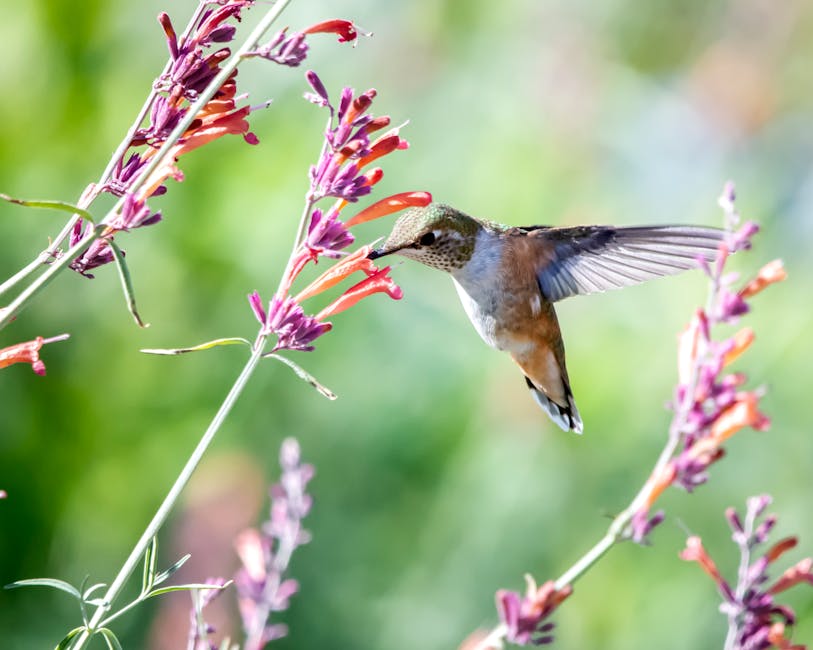
It’s not uncommon for bird enthusiasts to marvel at the flitting vibrancy of hummingbirds and desire to entice these miniature wonders into their backyards. Many turn to homemade sugar-water concoctions as an easy source of bait. However, while the practice is widespread, it’s valid to question if sugar water is indeed a safe alternative for these flying marvels.
Hummingbirds, much like their namesake, are a buzz of energy. These petite powerhouses have exceptionally high metabolic needs, burning through calories at an intensity unsurpassed in the animal kingdom. Consequently, they are perpetually on the hunt for energy-dense food, primarily in the form of nectar gleaned from suitable flowers. Nectar—an all-natural sugar-water solution—is hummingbirds’ chief dietary stay. It’s swiftly metabolized into glucose, ensuring a steady energy supply for those rapidly beating wings.
Yet, hummingbirds do not survive on sugar alone. Their diet is supplemented with tree sap, fruit juices, and, most surprisingly, insects and spiders. This range of diet provides necessary nutrients and proteins that sugar, in itself, lacks. Hence, while it’s true that hummingbirds are decidedly compatible with a high-sugar diet, it doesn’t necessarily rationalize feeding them with sugar water.
Next, let’s examine the effects of feeding hummingbirds with sugar water. Being familiar with a hummingbird’s dietary needs highlights potential pitfalls with this type of feeding. A diet solely comprising sugar water, for example, can lead to malnutrition, as it doesn’t provide the vitamins, minerals, and proteins a hummingbird requires to thrive. This could eventually translate into detrimental health problems, mirroring human conditions like obesity and diabetes, caused by an overly sugary diet. Therefore, if you choose to feed sugar water to hummingbirds, you need to ensure it’s balanced with access to natural sources of nutrients, like insects and native flower nectar.
Additionally, sugar water—especially when left standing—can be a breeding ground for harmful fungi and bacteria, exacerbating the risk of disease transmission among bird populations. Hence, safety precautions, such as changing the water regularly and cleaning feeder surfaces, become pivotal in providing hummingbirds with sugar water.
Now, how does sugar water match up against natural nectar? The most glaring difference lies in the nutritional value. Natural nectar contains a cocktail of sugars—including fructose, glucose, and sucrose—not found in a basic sucrose solution. Moreover, nectar likely includes trace elements and vitamins, the absence of which in sugar water can lead to nutritional deficiencies in a hummingbird’s diet.
Given this, if you’re feeding sugar water to hummingbirds, it’s fundamental to execute it responsibly. Implement the correct sugar-water ratio (about 1 part sugar and 4 parts water), avoid using honey or artificial sweeteners, and ensure the supplement is secondary to natural food sources. Regular feeder cleaning is also paramount to discourage bacterial and fungal growth.
However, remember that viable alternatives to sugar water exist. You can opt for commercial hummingbird food products, carefully formulated to mimic natural nectar, or better yet, cultivate native flowering plants that will naturally attract and feed hummingbirds. Each comes with its unique benefits, offering a balance between convenience and nutritional advantages. Comparatively, planting native flowers, while a longer-term endeavor, could be the most beneficial for hummingbirds, resulting in healthier bird populations. For those seeking a balance between attracting hummingbirds and fostering their health, recommended strategies may include:
- Using a blend of commercial hummingbird food products and natural food sources
- Planting flora known to attract hummingbirds, such as honeysuckle, bee balm, or red-hot poker for a more sustainable approach.
- Avoiding the use of chemical pesticides that could transfer to the birds during feeding and harm them.
To reiterate, while feeding hummingbirds sugar water isn’t inherently harmful, it isn’t enough by itself. Hence, the practice should be supplemented with access to natural food sources and conducted responsibly, minimizing potential hazards. Before turning to the sugar jar, consider alternatives and take into account the nutritional versatility these magnificent creatures need to maintain their ceaseless energy.
| Sources of Food | Benefits | Drawbacks |
|---|---|---|
| Sugar Water | Easy and inexpensive to prepare, attracts hummingbirds effectively | Lacks essential nutrients, risk of promoting disease, need to maintain cleanliness of feeder |
| Commercial Hummingbird Food | Formulated to mimic natural nectar, easy to prepare, longer shelf-life | Can be costly, still lacks compared to natural nectar, may contain artificial food coloring |
| Native Flowering Plants | Provides natural nectar, encourages natural feeding behaviors, contributes to local ecosystem | Requires time and effort to grow and maintain, seasonal limitations |
Ultimately, the health and happiness of hummingbirds are in our hands whenever we decide to feed them. By acting responsibly and considering their dietary needs, we can enjoy these brilliant birds’ company without compromising their well-being. With a bit of effort, we can create an environment that is safe and favorable for hummingbirds, allowing them to flourish and continue to captivate us with their unique charm.
Key Takeaway:
- Hummingbirds have a high energetic need and primarily thrive on natural nectar along with other nutrients from various sources like insects and tree sap.
- Feeding sugar water to hummingbirds can lead to malnutrition and diseases, it lacks essential nutrients seen in natural nectar.
- Implementing a correct sugar-water ratio and specific practices can help to lower such risks.
- Natural nectar is superior to sugar water due to nutritional value.
- There are alternatives to sugar water that are safer and healthier. These include commercial hummingbird food and cultivating native flowering plants.
In conclusion, as bird lovers or backyard bird watchers, it’s our responsibility to understand the needs of these beautiful creatures and act accordingly. There is no harm in feeding hummingbirds sugar water, but it should be done ethically and balanced with their access to natural food sources. Always remember – a healthy hummingbird is a happy hummingbird.
FAQs
Q: What are some signs that a hummingbird is not healthy?
A: If a hummingbird seems less active, has difficulty flying, or appears fluffed up and lethargic, it might not be healthy. Be mindful and discontinue feeding sugar water if you notice such signs.
Q: Can sugar water completely replace natural nectar in a hummingbird’s diet?
A: No, sugar water does not contain the nutrients seen in natural nectar. It should only be used to supplement a hummingbird’s diet, not replace natural nectar.
Q: Are there dangers associated with using artificial sweeteners or honey in hummingbird feeders?
A: Yes, artificial sweeteners lack the calories hummingbirds need, and honey can ferment quickly and cause deadly fungal diseases. Always use plain, white cane sugar instead.
Q: What is the ideal sugar-water ratio for feeding hummingbirds?
A: A safe ratio is one part sugar to four parts water. This jelly-like mixture can be served in a feeder for hummingbirds.
Q: How often should I clean my hummingbird feeder?
A: Regular cleaning is essential to prevent the growth of fungi and bacteria. Ideally, clean your feeder once every few days or anytime you see it gets dirty.
Remember, creating a safe and nourishing environment for hummingbirds goes a long way towards fostering their survival and well-being. You could always encourage the natural bacterial growth by sharing this article and explore more exciting posts on our website. Happy birding!