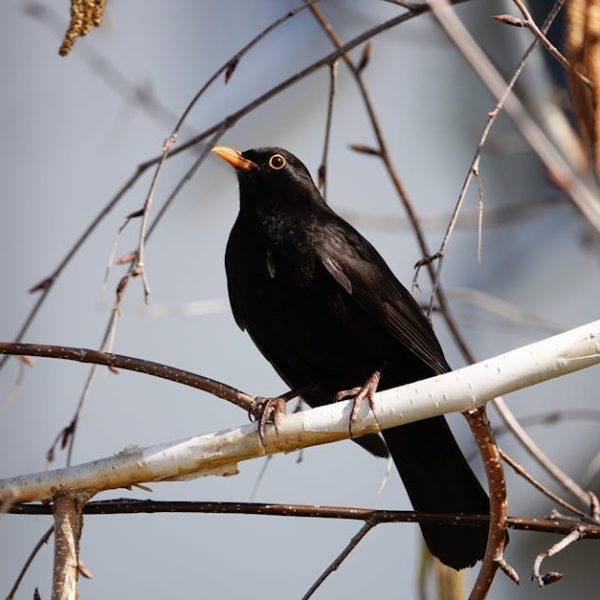
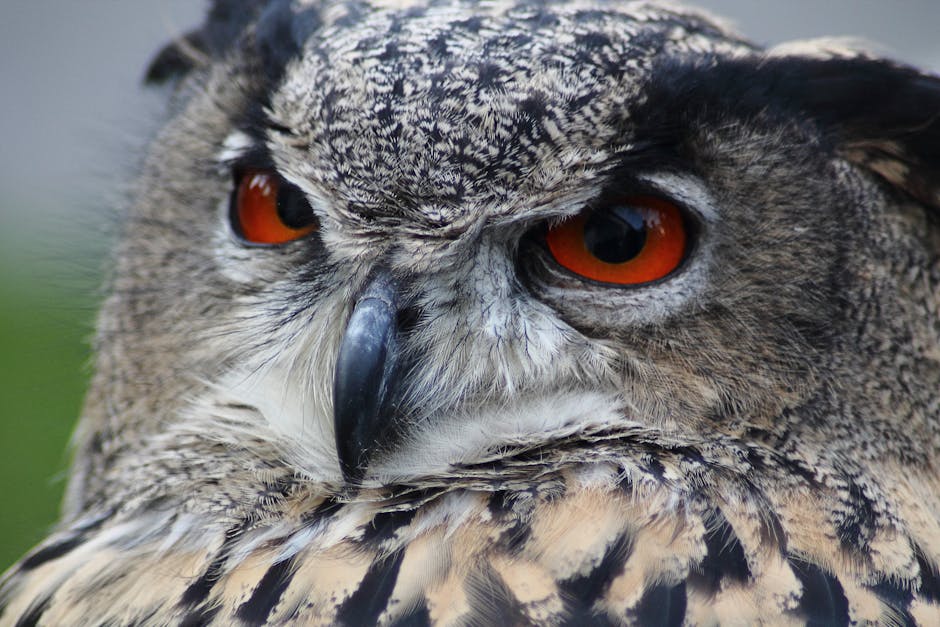
For countless generations, humans have kept an intrigued eye on the night sky, watching the comings and goings of a feathered nocturnal enigma. Owls, of course. Their mysterious ways, unique behaviours and distinctive calls echoing through the darkness have earned them a prominent place in the pantheon of animal folklore and mythology throughout the world.
Origins of Owl Myths and Folklore in Different Cultures
Owls hold different meanings to varying cultures. In ancient Greece, owls represented wisdom, thanks to Athena’s trusted companion; a small and spirited owl. In stark contrast with this are Middle Eastern societies where owls have been long perceived as ill omens, while in many Native American cultures, owls are considered harbingers of death. The spectrum of beliefs doesn’t stop there. There are societies, like the Japanese, for whom owls don’t mean wisdom or death, but rather good fortune and protection from suffering.
- Greeks looked to the owl for wisdom, illuminating the wise-owl idiom we so casually use today.
- In the Land of The Rising Sun, owls are seen as lucky charms warding off hardship.
- Native American legends depict the haunting hoot of an owl as a deathly premonition.
- Many Middle Eastern cultures see owls as ill omens, an association that often leads to the birds’ unwarranted harm.
The Role of Owls in Literary and Artistic Expression
Owls have not only carved out a niche in our imaginations but have also made their way into our artistic endeavours, often standing as compelling agents of symbolism. In literature, owls usually take on the guise of wisdom or omens, reflecting their mythological significance. However, in visual arts, their depiction can be quite diverse, ranging from mascots of scholarly virtue to icons of the mysterious and unknown.
| Depiction in Literature | Depiction in Visual Arts |
|---|---|
| Wisdom, prophecy, foreknowledge | Wisdom, mystery, death |
The Influence of Owls in Modern Media and Pop Culture
Modern media and pop culture continue to harness the folklore mystique of owls, further propagating their iconic status. J.K. Rowling’s Harry Potter series is a prime example, with owls being central creatures in delivering mail and companionship. In contrast, David Lynch’s Twin Peaks uses an owl symbol to evoke an air of unease and suspense, reminiscent of the owl’s linkage to death and foreboding in certain cultures.
- The Harry Potter series uses owls to symbolise magic, mystery, and companionship.
- Twin Peaks creates an eerie atmosphere using an owl to symbolise mystery and foreboding.
Owls are not just creatures of storybooks and films, they are real creatures that deserve our curiosity, and more importantly, our care. Understanding these magnificent birds beyond mythology and folklore is crucial for their conservation. Stay tuned as we debunk owl myths and delve into their scientific truths in the upcoming section.
Owl Folklore and Conservation Efforts
The sombre reputation that indeed precedes owls especially across certain cultures can have a tangible impact on their conservation. Conservation of these birds often treads on complicated grounds. For instance, in cultures where they are considered ominous, there has been an unfortunate trend to harm or kill owls out of superstitious fear. On the brighter side, where owls are seen as symbols of wisdom and protectors, efforts to conserve these magnificent creatures are more enthusiastic.
- Destruction of owls habitat due to superstitious dread is unfortunately frequent in certain cultures.
- In regions where owls are seen as symbols of protection, there are invested efforts to conserve and protect them.
Debunking Owl Myths: A Scientific Outlook
Various myths and folktales about owls are indeed captivating, but without a doubt, a bit of scientific insight brings a refreshing perspective on these creatures. For instance, the belief that all owls are nocturnal is one of the common misconceptions. In reality, not all owl species are exclusively nocturnal. Some species like the Northern Pygmy Owl and the Northern Hawk Owl are diurnal or active during the day.
| Myth | Reality |
|---|---|
| All owls are nocturnal | Some owl species, like Northern Pygmy Owl, are diurnal |
| Owls can turn their heads full circle | Owls can rotate their heads up to 270 degrees, not a perfect 360 |
To summarise, owls have a rich history of myths and folklore that have influenced their portrayal in art, literature, and pop culture. However, it’s critical we distinguish fact from fiction and work to protect these intriguing birds beyond their mythical significance. Whether you’re a curious onlooker or a passionate enthusiast, let’s continue enlightening ourselves and others about the enigmatic world of owls and their true place in the natural world.
Key Takeaway:
- Owls have been perceived differently among various cultures- from being symbols of wisdom in Greek mythology, to omens of death in Native American beliefs.
- The depiction of owls in different media forms also varies greatly depending on cultural background and context.
- Modern media continues to perpetuate owl folklore, such as in Harry Potter and Twin Peaks.
- The myths and beliefs about owls have real-world consequences and can influence conservation efforts aimed at protecting these creatures.
- It’s important to debunk common misconceptions about owls, such as the belief that all owls are nocturnal, and understand their scientifically proven behaviors and characteristics.
In conclusion, despite being steeped in a diverse array of myths and folklore, owls play a significant role in our ecosystems. By understanding them beyond myths and appreciating their ecological importance, we can forward effective conservation efforts. Remember, awareness and enlightenment are key in dispelling misbeliefs and promoting a healthier coexistence with these mystic creatures.
FAQs
Q: Are all owls nocturnal?
A: No, contrary to the common belief, not all owls are nocturnal. Some species like the Northern Pygmy Owl and the Northern Hawk Owl are actually diurnal, or active during the day.
Q: Do owls really signify wisdom?
A: Yes, in some cultures, especially Greek mythology, owls are believed to be symbols of wisdom. This, however, is not universally accepted and varies among different cultures.
Q: Are owls really bad luck?
A: It depends on the cultural context. In some societies, such as those in the Middle East, owls are considered as ill omens. However, in others like the Japanese culture, owls symbolize good luck and protection.
Q: Are owls always used to represent mystery and magic in media?
A: While owls are often associated with mystery and magic in popular media, their representation can widely vary. For example, they are used as companions and mail deliverers in Harry Potter, whereas in Twin Peaks, their presence signals mystery and unease.
Q: Why should I care about owls?
A: Beyond their mythological and cultural significance, owls play crucial roles in maintaining ecological balance. They are a part of our natural world and like all creatures, deserve our respect and protection.
Don’t miss out on other exciting insights about our feathery friends. Share this article with others who might be interested and explore more fascinating posts on our website.