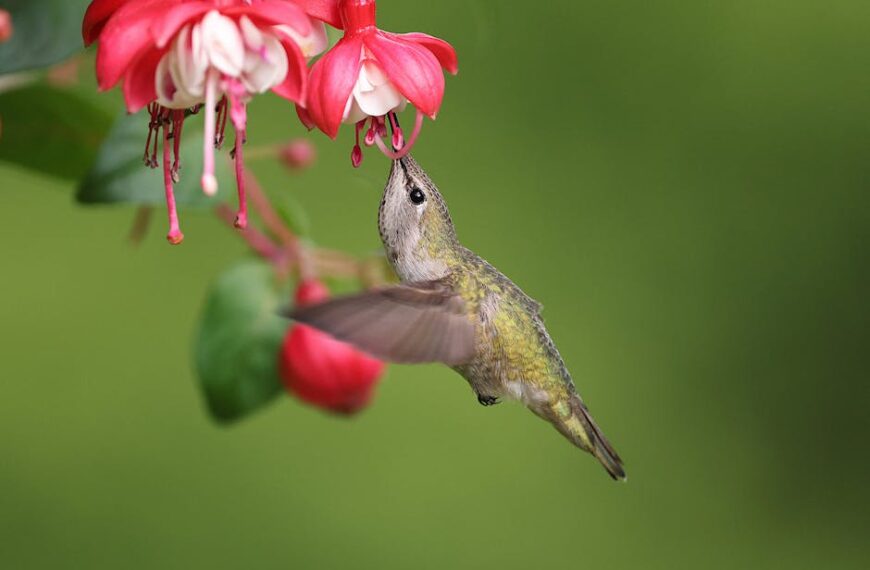
Bird migration is a natural phenomenon that never ceases to amaze. For birds as small as hummingbirds, it becomes an epic journey. Many hummingbird species, like the rufous hummingbird, are known for their long-distance flights which occur between their winter habitats in Mexico and Central America, and their breeding grounds in the United States and Canada. Such migration patterns are inherently rhythmic and crucial for their survival and reproduction.
Understanding this journey boils down to several key factors:
- Season: The onset of spring and autumn triggers the migration process. Hummingbirds typically start their southern migration in late August, as part of their instinctive preparation for winter.
- Climate: Weather conditions affect the flight of hummingbirds, often dictating when they can safely begin their migration.
- Availability of Food Resources: Like other migrating birds, hummingbirds depend on an abundant food supply for fuel. They have to double their body fat reserves to make the journey, feeding heavily on nectar and insects before the trip.
Pro Tip: To fully grasp hummingbird migration, it’s crucial to study and observe their feeding and nesting habits. Watch out for a sudden flurry of activity known as hyper feeding.
Anticipating the Southern Migration: Key Dates
Being such tiny creatures, hummingbirds rely significantly on the timing to begin their arduous migration journey. So how does one anticipate when hummingbirds will embark on their southern migration? Here’s what you need to look out for:
- Start of migration: Hummingbirds usually start their journey south between late July and late August. The lack of sunlight triggers hormonal changes in their bodies, signaling it’s time to head south.
- Peak migration period: The peak of migration usually happens mid-September when you can expect to see a large number of hummingbird activity.
- End of migration: Most of the migration ends by late October, with some stragglers making their journey into early winter.
Best Practice: Regular observation and note-taking can significantly enhance your ability to accurately forecast hummingbird migration. Establish a routine to observe their behavior and take down notes daily.
Geographical Impact on Hummingbird Migration Dates
Similar to other migratory birds, hummingbirds adjust their migration schedules according to their geographic location. Certain regions will see hummingbirds arrive earlier than others due to variations in climate and daylight hours.
For hummingbirds:
- Early migration is often observed in areas such as the Gulf Coast, as availability of abundant food resources triggers the start of their journey.
- Places with milder climates, like the American Southwest, often witness late migrations.
Contrasting Early and Late Migration Habitats
| Early Migration Habitats | Late Migration Habitats | |
|---|---|---|
| Advantages | Feeding is easier due to an abundance of resources. | Less competition for food resources due to fewer birds. |
| Challenges | Faced with fierce competition from other early migrators for food. | May struggle with fewer available food sources and colder temperatures. |
Importance of Timed Feeding Stations in Hummingbird Southern Migration
Feeding stations can play a pivotal role in aiding Hummingbird migration. These stations serve as dependable food sources for hummingbirds during their journey. Embarking on such a long-distance journey requires substantial energy, some of which can be replenished at these stations.
When setting up a hummingbird feeding station, pay special attention to the following elements:
- A sugar-water feeder that can easily be accessed by hummingbirds.
- The feeder should be placed in a safe and quiet area, out of reach from predators.
- Regular cleaning of the feeder is necessary to prevent fungal growth that can harm the hummingbirds.
- The feeding station should be set up just before the start of migration and kept well-stocked until the end.
Pro Tip: When making a sugar-water mixture, avoid adding artificial sweeteners or dyes. Moreover, ensure that the mixture is changed every few days to keep it fresh, particularly during hot weather.
Impact of Climate Change on Hummingbird Migration Timing
As we grapple with the impacts of climate change, it’s not just us humans that are affected. Changes in climate patterns significantly impact a myriad of natural processes, including hummingbird migration. These fluctuating conditions can disrupt the usual timing, making it harder for hummingbirds to find food and navigate their journey.
Some observed changes in hummingbird migration due to climate change include:
- Earlier arrival in spring: Warm temperatures in early spring can prompt premature migration.
- Delayed departure in fall: Extended warm periods can confuse hummingbirds, causing them to delay their southern migration.
- Changing migration routes: Some hummingbirds might alter their migration route to avoid areas heavily impacted by climate change.
Climate change not only impacts the present but could also seriously disrupt future hummingbird migration patterns. As weather patterns become increasingly unpredictable, hummingbirds may find it harder to anticipate seasonal changes, which could threaten their survival.
Best Practice: We can all play a role in minimizing the impact on hummingbird migration by adopting more sustainable practices. This includes reducing our carbon footprint, planting more native flowers, and maintaining clean feeders. In this way, we can create a more conducive environment for these small but mighty migrators.
Key Takeaway:
- Hummingbird migration, influenced by season, climate, and availability of food resources, is performed for survival and reproduction purposes.
- Migration start, peak, and end dates can be predicted and monitored based on seasonal changes.
- The geographical location of hummingbirds and the climate of these places impact their migration timing.
- Timed feeding stations greatly aid in the migration process by providing needed nutrition.
- Climate change is altering hummingbird migration dates and routes, indicating possible serious future disruptions.
With our understanding of hummingbird migration, we can create supportive environments that ease their arduous journey. This involves setting up and maintaining hummingbird feeding stations, adopting sustainable practices to mitigate climate change impacts, and educating ourselves and others on the phenomenal migration journeys these incredible creatures undertake.
FAQs
Q: Can we help hummingbirds during their migratory journey?
A: Yes, we can assist them by setting up timed feeding stations filled with sugar-water, which provide a crucial source of energy during their migration.
Q: How are changes in climate affecting hummingbird migration?
A: Climate changes can cause premature migration, delayed departure, and altered routes making it harder for hummingbirds to find food and navigate.
Q: Do all hummingbirds follow the same migration pattern?
A: No, hummingbird migration patterns can vary based on factors such as species, geographical location, and available food resources.
Q: What triggers the start of a hummingbird’s migration?
A: Changes in daylight and climatic conditions can stimulate hormonal changes in hummingbirds, signifying the start of their migration journey.
Q: Does habitat location affect migration times of hummingbirds?
A: Yes, the climate and availability of food resources in different geographic locations can influence when hummingbirds start their migration.
Feel free to check out our other posts for more intriguing insights about nature’s marvels and share this article with others who might appreciate learning about hummingbird migration.