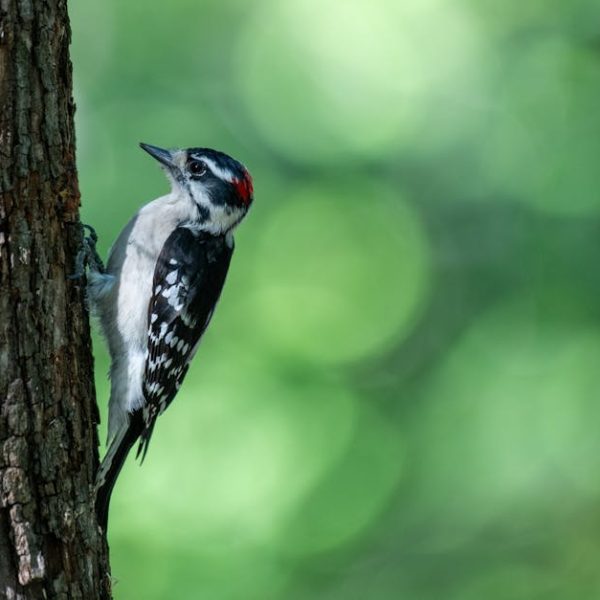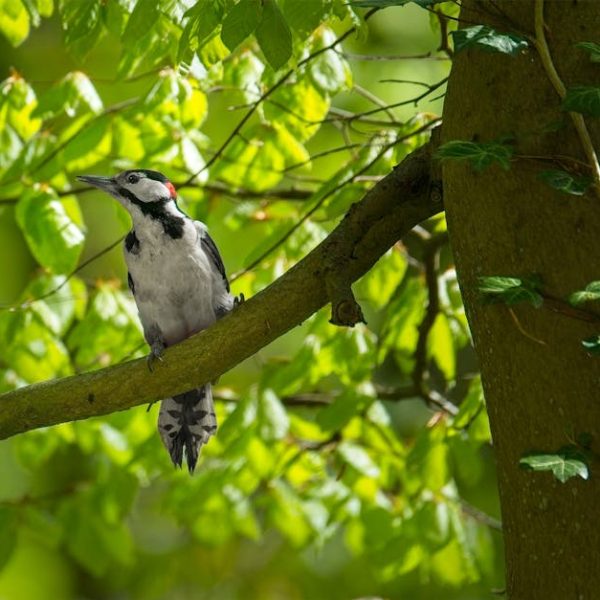

Distinguishing between male and female parakeets involves careful observation of their morphological characteristics. These physical attributes, which include plumage colors and patterns, as well as the bird’s size and shape, are often immediate indicators of a parakeet’s gender.
For instance, male parakeets are typically more vibrant and colorful compared to their female counterparts. Their feathers boast an array of bright hues that are appealing to the eye. On the other hand, female parakeets often exhibit more subdued tones, instead distinguishing themselves with broader body shapes. Sexual dimorphism—the distinct difference in size or appearance between the sexes—is indeed present in parakeets, and understanding these characteristics aids in accurate identification of their gender.
Cere Color and Patterns
Beyond plumage, the color and pattern of a parakeet’s cere—the fleshy, wax-like covering at the base of the beak containing the bird’s nostrils—is another crucial identifier. Male parakeets have ceres that range in color from blue or purple, to pink while the females typically have brown, white, or tan ceres.
Understanding these cere distinctions not only refines your acumen in bird sexing but also contributes to better bird care. Notably, changes in cere color may indicate health issues and necessitate a visit to the veterinarian.
Behavioral Differences between Male and Female Parakeets
Deeper knowledge of parakeet behavior can further guide gender identification. There are distinct traits that are more common in one sex. For example, males are usually more social, showing behaviors like singing or bobbing their heads. Females, in contrast, may exhibit shyness and display nesting behaviors like shredding paper or wood around their enclosure.
However, these behaviors can vary depending on factors like the bird’s age or health. Mature birds display these behaviors more consistently, while younger or unwell birds may behave differently. Therefore, behavior may not always be a reliable gender indicator, especially without pointing reference from plumage or cere color.
Vocals and Sounds for Gender Identification
Listen closely—the sounds your parakeet makes are also potential gender giveaways. Overall, male parakeets are chattier than females; their vocabulary consists mainly of sweet singing and lively chirping. Ladies of the species, however, tend to be quieter—not silent, but certainly less vocal. Their sounds lean towards screeching or quiet chirping, which also implies their gender.
DNA Testing for Definitive Gender Identification
While observant analysis of plumage, cere color, behavior, and vocals can offer substantial clues to a parakeet’s gender, DNA testing may be necessary for accurate results. This especially holds true in situations where the bird’s gender is critical for breeding purposes or where other indicators are ambiguous. A DNA sample can be gathered from feathers, blood, or an eggshell for the process. Though it may entail some costs and requires assistance from a certified veterinarian, in some cases, it’s the surest way to determine your parakeet’s gender.
Tips and Checklists
While identifying a parakeet’s gender might seem like a challenge, being aware of their physical attributes, sound patterns, and demeanor can make the task easier. Here’s a quick checklist to help you identify a parakeet’s gender:
Morphological Differences
- Bright and colorful plumage indicates a male parakeet.
- A more robust body shape suggests a female parakeet.
Cere Color
- Blue, purple, or pink cere indicates a male parakeet.
- Brown, white, or tan cere suggests a female parakeet.
Behavioral Traits
- More social, head bobbing, and singing are signs of a male parakeet.
- Signs of nesting (e.g., shredding paper or wood) and shyness are characteristic of female parakeets.
Vocals and Sounds
- Frequent singing and chirping usually indicate a male parakeet.
- Shrill screeching or less frequent chirping usually points to a female parakeet.
DNA Testing
- DNA testing offers a definitive way to determine a parakeet’s gender, although it may involve additional costs and requires assistance from a certified veterinarian.
Conclusion
In conclusion, understanding gender differences in parakeets involves piecing together various aspects—physical traits, cere color, behavior, and vocals. However, for those cases when gender identification remains ambiguous, DNA testing offers the most precise solution.
Identifying your bird’s gender allows you to provide a more tailored approach to their care and to improve their overall well-being. So pay close attention to your feathered friend—understanding them better is, after all, a part of the joy of pet ownership.
Key Takeaway:
- Identifying a parakeet’s gender involves understanding their morphological characteristics, cere color and patterns, their behavioral traits, vocals and sounds, with DNA testing as a definitive measure.
- Male parakeets often have vibrant plumage, blue-purple-pink cere, are social and vocal with singing and chirping, while female parakeets have subdued tones in plumage, brown-white-tan cere, are often shy with nesting behaviors and quieter.
- Though these traits can help in identification, gender determination may not be accurate in young or unwell birds or in cases where plumage and cere color don’t offer clear distinctions. In such situations, DNA testing is advised.
You’re now equipped with practical insights and tips on distinguishing between male and female parakeets. Remember, every bird is unique and these general observations may vary from bird to bird. Don’t worry if you don’t get it right initially. Spend quality time observing and interacting with your feathery friend to understand their distinct personality traits. With patience, you’ll get to know them better!
FAQs
Q: How soon can you determine the gender of a parakeet?
A: Gender determination in parakeets is usually accurate when they’re fully matured, typically around the age of one year. Before that, it can be challenging as their physical characteristics and behaviors are still developing.
Q: Are there health benefits associated with knowing my parakeet’s gender?
A: Yes, knowing your parakeet’s gender can help in providing appropriate care, especially in terms of diet and habitat. It’s also essential if you’re considering breeding your parakeets.
Q: Can I change my parakeet’s diet based on their gender?
A: While both male and female parakeets require a balanced diet of seeds, fruits, and vegetables, gender-specific requirements may arise, especially during breeding season. Consult a vet for specific dietary advice.
Q: Are male parakeets better at mimicking sounds and speaking?
A: Generally, male parakeets are known to be more vocal and better at mimicking sounds or learning words. However, this is not a hard and fast rule as individual personality also plays a role.
Q: Who gets more aggressive between male and female parakeets during breeding season?
A: Both male and female parakeets may exhibit signs of aggression during breeding season, but generally, females are known to get territorial when ready to lay eggs.
Feel free to share this article with other parakeet enthusiasts and explore more pet-related posts on our website!