When we think of birds, we often imagine them soaring high above in the sky or perching on trees. However, many birds are also adept swimmers! Some birds have evolved distinct skills and features that enable them to comfortably navigate the water alongside their abilities in the air. From the Arctic-loving penguins in the far south to the elegant swans we local park ponds, water-loving birds are everywhere you turn. Let’s dive into the world of these fascinating, feathered swimmers!
Unlikely Swimmers: Dive into Penguins
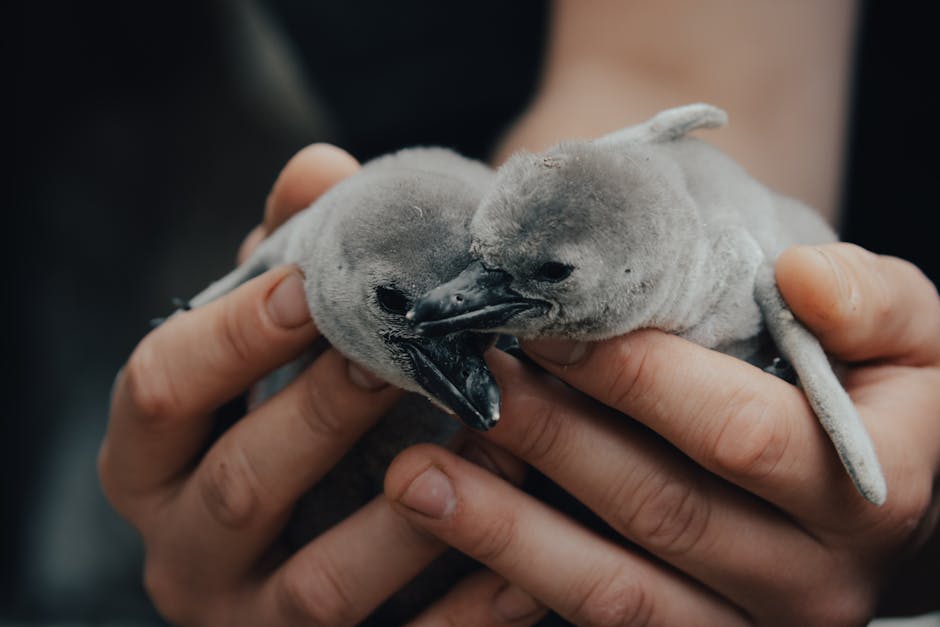
The first group of aviators-turned-swimmers that comes to mind is arguably the penguins. Unlike their flying counterparts, penguins are designed primarily for aquatic life. With their streamlined bodies, strong flippers, and dense feathers, these birds are built for fast, efficient swimming. They’re practically feathery torpedoes! Their daily diet mainly consists of marine life such as fish, squid, and krill – just one of many reasons why penguins spend most of their lives in or around the water.
- A streamlined body to reduce water resistance when swimming.
- Flippers instead of wings that work as effective paddles to drive them through the water.
- A dense body that helps control buoyancy, supporting deep diving for food pursuit.
From the petite 13-inch-tall Fairy Penguin to the impressively large Emperor Penguin standing nearly four feet tall, all 18 species of penguins lead marine-dominated lives across diverse habitats like sub-zero Antarctica and temperate New Zealand.
Water Exuberance: Swim along with Ducks, Swans, and Geese
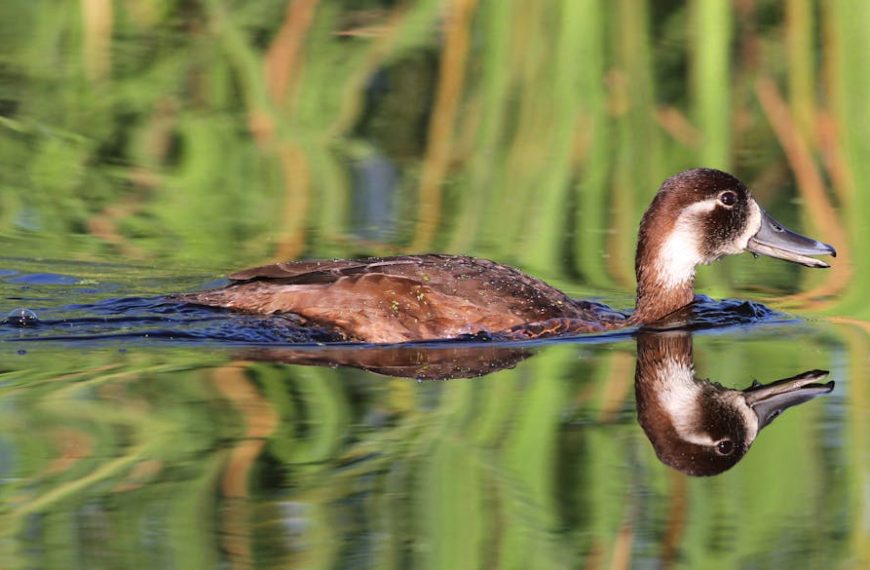
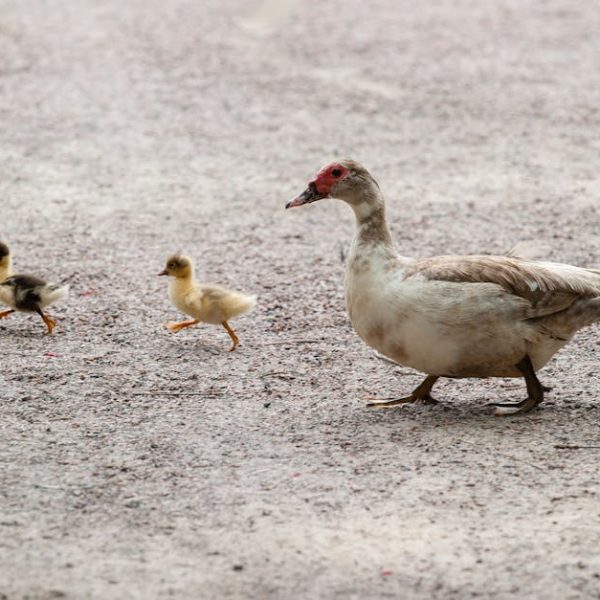
Moving towards temperate territories, our familiar friends such as ducks, swans, and geese are more than just pretty decorations in our local parks. These birds are all capable swimmers and divers, with their buoyant bodies and webbed feet allowing them to gracefully navigate across water surfaces. Many of them feed in the water, using ‘dabbling’ and ‘diving’ techniques to reach underwater vegetation, snails, and insects.
Let’s take a closer look at their swimming techniques:
- Ducks, swans, and geese all possess webbed feet that serve as efficient paddles for swimming.
- They use their wings for steering and balancing in the water, a practice that’s distinctly different from flight.
However, not all these birds have identical feeding habits. For example, while swans and geese largely feed on the surface (‘dabbling’), many ducks prefer to dive beneath the surface to pursue their food (‘diving’). Each species has a unique approach to mealtime in the water, making waterfowl an incredibly diverse and engaging group of swimmers.
| Dabbling | Diving | |
|---|---|---|
| Ducks | Some breeds like Mallards prefer this feeding method | Others like Tufted Ducks and Scaups prefer to dive for their food |
| Swans | Typically, they feed by dabbling, occasionally raising their tail feathers high out of the water! | Occasionally dive, not a common practice |
| Geese | Mostly surface feeders | Do not commonly dive for food |
These feeding habits are not universally followed by all ducks, swans, and geese, but serve as general tendencies among species.
Deep Divers: Delve into Puffins and Auks
While our familiar ducks, swans, and geese stay relatively near the water surface, some avian species have mastered the art of deep diving. Notably, puffins and auks – compact, brightly colored seabirds – have been recorded reaching incredible depths in pursuit of their fish and squid diet. How do they do it? By ‘underwater flying’! Similar to how they flap their wings in air, puffins and auks flap their wings underwater to propel themselves, a technique quite distinct from most other swimming birds.
Here are the essential features that help puffins and auks dive deep into the water:
- Waterproof feathers to endure the aquatic pressures of deep sea.
- Dense bones to help them sink faster.
- Large lungs that can hold enough oxygen to allow them to stay underwater up to a minute!
When it comes to ‘underwater flying’ versus ‘normal swimming’, which do you think is more efficient for puffins and auks?
Marsh Inhabitants: Float with Rails and Moorhens
Somewhere amidst the reedy waters of marshes and swamps, you’ll likely come across the rails and moorhens. While not prolific swimmers like penguins or ducks, rails and moorhens have devised their unique swimming style using their long, flexible toes to paddle through the dense vegetation, with their low body mass providing buoyancy. Their secretive nature and excellent camouflage tactics often offer a surprise glimpse to birdwatchers navigating these habitats.
Take a look at the features enabling rails and moorhens to float on water and navigate through the swamps:
- Long, flexible toes: These allow for effective paddling and navigation through dense marshes.
- Low body mass: This contributes to their buoyancy, facilitating their swimming ability.
- Ground-feeding tendency: Rails and moorhens prefer foraging the marsh floor over flying.
Now, let’s take a brief look at how rails’ swimming methods compare with that of moorhens:
| Rails | Moorhens | |
|---|---|---|
| Swimming Style | Typically paddle using their toes | More adept swimmers – often seen swimming across open water |
| Feeding Habit | Mostly forage ground vegetation | Regularly dive for food |
While both these species have attained their unique adaptations, their swimming methods and feeding habits significantly differ.
Soaring High and Diving Deep: The Dual Excellence of Cormorants and Pelicans
Not all birds restrict their aquatic feats only to swimming. Some like cormorants and pelicans, for example, are as proficient in flight as they are in water. These birds, termed as plunge-divers, don’t just swim – they dive deep into the water from great heights to catch their prey. Yep, these birds literally plunge from the sky at impressive speeds, only to resurface moments later with a tasty fish in their beak!
- Both cormorants and pelicans launch a dive from flight, reaching high speeds by the time they hit the water, ensuring a swift and deep dive.
- Their
Key Takeaway:
- Penguins are primed for aquatic life, with physical adaptations such as streamlined bodies, flippers in place of wings, and a dense body to control buoyancy. They spend most of their lives in or around the water.
- Familiar birds like ducks, swans, and geese are also skilled swimmers and divers with buoyant bodies and webbed feet. They use different ‘dabbling’ and ‘diving’ techniques to feed underwater.
- Seabirds like puffins and auks can reach incredible depths to catch their prey by ‘underwater flying’, a distinct technique where they flap their wings underwater.
- Birds like rails and moorhens have adapted to navigate through the dense vegetation of marshes and swamps. Their low body mass and long flexible toes assist them.
- Cormorants and pelicans, known as plunge-divers, are not only adept at flying but also at diving deep into the water to catch their prey.
While birds’ natural habitat often tends to be the skies, it’s fascinating to learn that many of them are equally adept at swimming, thanks to a unique array of adaptations. Next time you spot a bird swooping into a pond, take a moment to appreciate its aquatic prowess.
FAQs
Q: Why do birds like ducks, swans, and geese have webbed feet?
A: Birds like ducks, swans, and geese have webbed feet to assist them in swimming. The webbing acts like a paddle, enabling them to move efficiently in the water.Q: How are penguins able to survive in freezing waters?
A: Penguins have a thick layer of blubber or body fat and dense feathering, which provide insulation against the cold. They also have a unique circulatory system that helps maintain their body temperature.Q: Are all birds capable of swimming?
A: Not all birds are capable of swimming. Many birds avoid water altogether, while others, like sparrows and finches, will only go in the water to take a bath.Q: What allows puffins and auks to participate in ‘underwater flying’?
A: The method of ‘underwater flying’ is facilitated by puffins’ and auks’ waterproof feathers, dense bones for sinking faster, and large lungs that can hold enough oxygen, allowing them to stay underwater for up to a minute.Q: Why do birds like cormorants and pelicans dive from great heights?
A: Cormorants and pelicans, known as plunge-divers, dive from great heights to build up speed for a swift and deep dive, increasing their chances of catching their prey underwater.Help us spread the word about these fascinating avian swimmers by sharing the article. To explore more amazing bird facts, check out more posts on our website.