One may think that the powerful, majestic eagle, possesses a carefree winged lifestyle, effortlessly touching the skies, zipping through the air along with its fellow eagles. Surprisingly, the reality deviates far from this notion. It’s not particularly common to spot eagles flying in groups or exhibiting overt social tendencies – these mighty birds of prey are mostly solitary creatures. However, their flying and social habits are not a testament to their aloofness, rather they are indicative of various elements such as survival mechanisms, social structures, breeding rituals and more. Let’s lift the veil on this fascinating creature’s aerial conduct and the circumstances that do bring eagles together in flight.
Understanding the flying behavior of eagles
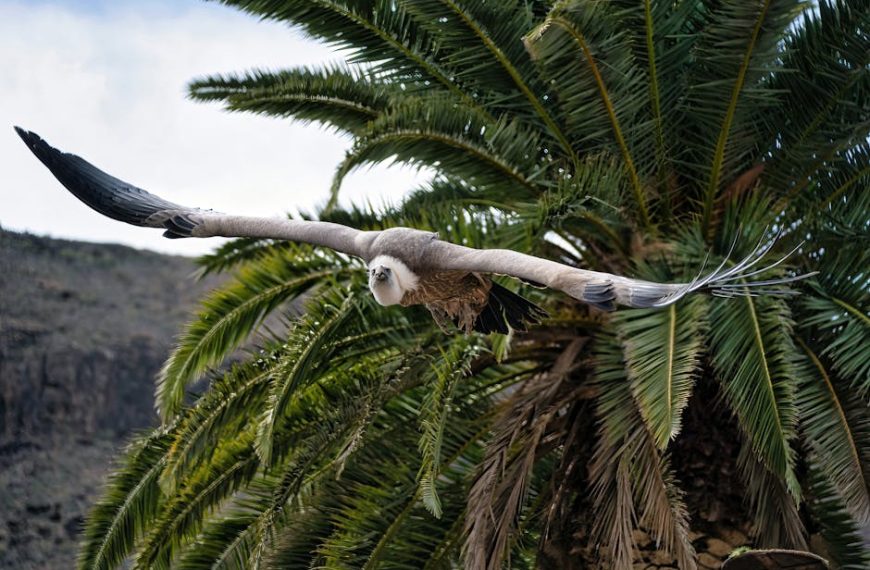
The word eagle often evokes images of freedom and independence, largely due to their solitary flying habits. Eagles are typically lone wolves of the sky, primarily because their lifestyle, which primarily revolves around hunting for food and protecting their nest, necessitates it.
A lone eagle has better success in hunting, as it avoids spooking their prey with a large, intimidating group. Likewise, when it comes to nest protection, it’s simply more efficient to watch over the nest alone. After all, less roving eyes mean less chance for rivals to discover their offspring or unattended eggs.
Pro Tip: If you’re hoping to observe the intriguing flight of these solitary fliers, look for exquisite eagle viewing spots, typically around bodies of water where they frequently fish. Dawn and dusk, the prime hunting times, will increase your chances of spotting them.
Exploring the instances when eagles fly together
While the solo flight of the eagle is more common, there do exist instances when eagles defy their solitary nature. Typically seen during migration, mating, or when food is abundant, flying together also become a strategic move.
For instance, during migration, there could be thermal benefits to flocking together. In the courtship phase, eagles engage in breathtaking aerial acrobatics, often spiraling downwards locked in talon-to-talon embrace. Teaching and guiding their young to fly is another circumstance when eagles partake in group flight.
Compared to other raptors such as vultures or kites, eagles are seen flying in groups less often, yet when they do, it’s usually a sight to behold.
The Role of Social Structure in Eagles’ Flight Behavior
The social structure among eagles also plays a crucial role in their flight patterns. Though not excessively social creatures, eagles do exhibit certain interactions among their species, especially during their breeding season. This is a riveting aspect of their behavior, entangled in dominance, courtship, and protection strategies.
- Brief territorial encounters
- Dominance assertion during breeding season
- Copulation and courtship
While the solitary nature of eagles is advantageous for hunting and nest protection, such a lifestyle also has its drawbacks. Limited social interaction could pose challenges during harsh winters or scarce food conditions, where collective wisdom or group hunting could offer better survival rates. Nonetheless, for a bird as powerful and competent as the eagle, solo soars are a testament to their incredible survival strategies.
Studying Eagles during Breeding Season: A Unique Spectacle
Breeding season brings about fascinating changes in the flying behavior of eagles. Normally lone fliers, eagles during the mating season engage in spectacular flight displays which are an integral part of their courtship rituals – a sight to behold. From dazzling aerial acrobatics, often involving diving and locking talons, to softly gliding in unison, the typically solitary bird takes on a whole new demeanor.
Compared to their solitary non-breeding habits, eagles during breeding season exemplify a dramatic transformation, showcasing the intricacies of their species’ behavioral diversity.
Pro Tips: If you wish to see these breathtaking breeding flights, be prepared to be patient. Breeding season typically happens once a year and varies considerably with region and species. Binoculars or a good zoom lens can let you witness these gestures of wild romanticism without intruding into their space. Remember, it’s essential to respect the wildlife, even while observing!
Implications of Eagles’ Flight Habits on Their Conservation
Understanding the social and flight habits of eagles provides key insights to conservationists. This knowledge is pivotal to sustaining their population and ensuring their longevity. Eagles’ solitary behaviour, mating rituals, and rare group assemblies give hints about their habitat preferences, survival risks, and breeding success.
A few effective strategies employed by conservationists, based on understanding eagle behavior, include:
- Habitat preservation: Protecting areas known for eagle nesting, hunting, and migrating.
- Anti-poaching measures: Setting up close vigilance and harsh penalties against illegal hunting and trade.
- Environmental education: Raising public awareness on respecting wildlife and endangered species.
Anyone interested in supporting the cause of eagle conservation can:
The unique flying and social habits of eagles are not just intriguing facets of their nature. They’re vital aspects that help us humans appreciate, understand, protect, and preserve these magnificent birds. We can only hope that our skies never be deprived of these solitary, yet incredible fliers!
Key Takeaway:
- Eagles typically fly alone due to their lifestyle, which primarily revolves around hunting and nest protection.
- There are instances where eagles fly together, such as during migration, mating, or when food is abundant.
- The social structure of eagles plays a crucial role in their flight patterns, especially during the breeding season.
- The flying and social habits of eagles is essential to their conservation efforts, providing valuable insights for conservation strategies.
While eagles might appear solitary and aloof, their flying habits are a reflection of their innate survival strategies, social structures, and breeding rituals. By understanding these behaviors, we can contribute towards their conservation and ensure the survival of these majestic birds for future generations.
FAQs
Q: Can eagles fly long distances without resting?
A: Yes, eagles are known for their incredible endurance and can fly long distances without rest, especially during migration periods.
Q: Do eagles communicate with each other during flight?
A: While eagles are not overly social, they communicate with each other through vocalizations and physical signals, particularly during the breeding season.
Q: How does weather affect eagles’ flying habits?
A: Eagles are strong and skilled fliers. They can navigate through various weather conditions but prefer good weather for long flights like migration.
Q: Is there a changing pattern in eagles’ flight habits as they age?
A: As eagles mature, their flying skills and patterns evolve. For instance, young eagles, while learning to fly, may not venture far from their nest, but adult eagles are confident fliers capable of long flights.
Q: How does human activity impact the flying behavior of eagles?
A: Human activity such as deforestation and urban development can disrupt eagles’ habitats, forcing them to change their flight paths and behavior.
Our understanding of these majestic birds is continually growing. Sharing your experiences and learnings about eagles goes a long way in their conservation. Feel free to explore more posts on our website and share your findings with others.