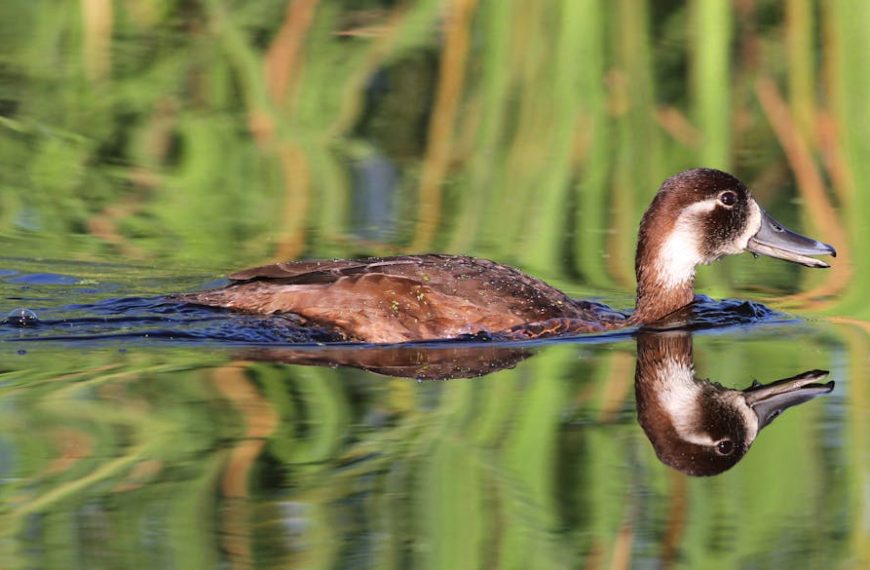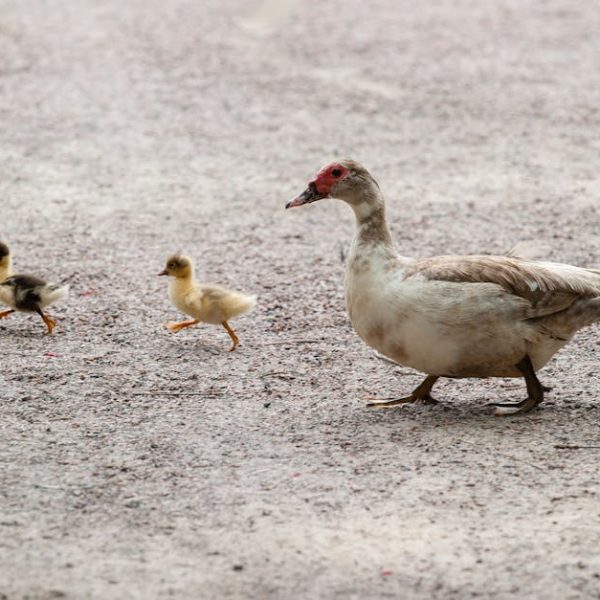
Waterfowl are a fascinating group within the bird family, gracing our earth with their varied shapes, colors, and sizes. Home primarily to aquatic ecosystems, both freshwater and marine, they are often recognized by their unique adaptations for survival in such habitats. Ducks, geese, and swans are typical examples of this group, which counts more than 150 individual species in its ranks.
Their role in the ecosystem extends beyond beauty and biodiversity. Waterfowl contribute to the balance of aquatic food chains, aid in controlling pests and weeds, and even contribute to the process of seed dispersal for various plant species. As such, monitoring waterfowl populations can provide key insights about the health of wetland ecosystems overall.
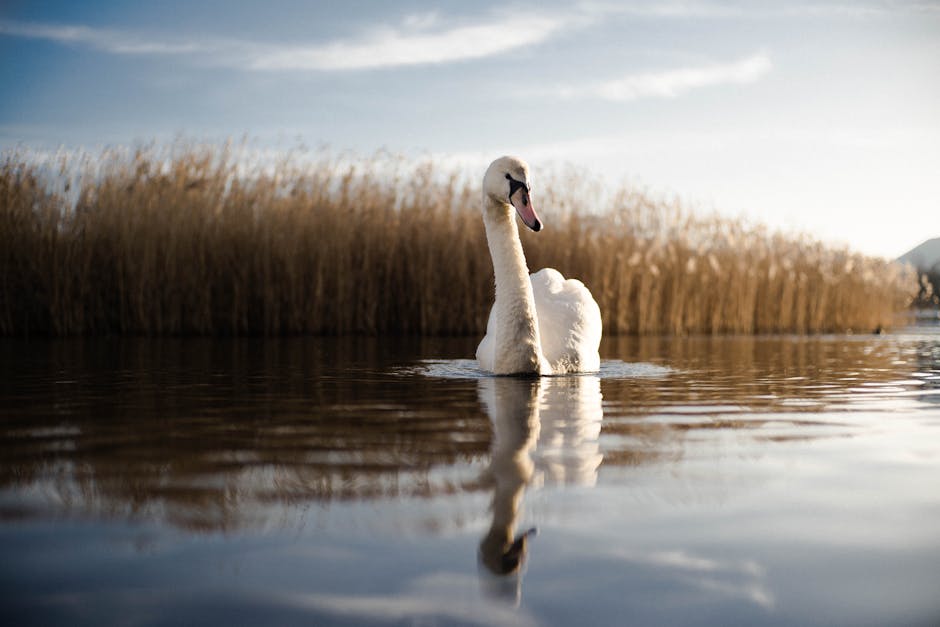
Globally recognized forms of waterfowl include the Mallard duck, the Emperor Goose, the Mute Swan, and the Pink-footed Goose, among various others. Each species has its own distinctive features, habitats, and behavioral characteristics, forming a vibrant tapestry of avian life.
Adaptations and Survival Strategies of Waterfowl
Waterfowl exhibit a striking array of survival adaptations that aid in their navigation of aquatic habitats. Take, for instance, their feet. Ever noticed how ducks or geese seem to paddle effortlessly in the water? That’s made possible through their webbed feet, a trait that enhances their swimming capability.
Their feathers are no less magical, comprising tight layers that trap air and provide insulation, keeping the bird warm in cold waters. Additionally, a waxy coating makes these feathers waterproof, preventing water from dampening the insulating properties.
Specialized beaks feature too – ducks flaunt a broad, flat beak that assists in their dabbling feeding strategy, enabling them to filter out water and retain the nutritious food materials.
Waterfowl Breeding and Nesting Habits
The world of waterfowl breeding is filled with surprises. Mating rituals can range from visual displays, vocalizations, bill touching, neck biting, to courtship flights. These intricate rituals play vital roles in securing mates and ensuring the healthiest offspring.
Nesting habits vary greatly between species, with some opting to nest in trees and others on the ground near wetlands. Ducks, for example, lay their eggs in sheltered ground nests while some geese mate for life and build elaborate nests in elevated or isolated locations.
Tables, as illustrated below, can demonstrate the varying nesting habits of different waterfowl species:
“` HTML
| Species | Nesting Habit |
|---|---|
| Mallard Duck | Ground nesting in sheltered areas |
| Canada Goose | Elevated, isolated areas near water bodies |
“`
Understanding these habits can provide insights into the survival strategies of these fascinating creatures and guide our efforts in conservation.
Waterfowl Migration: An Annual Journey
Migration is a crucial behavioural adaptation in waterfowl, allowing them to exploit seasonal resources for feeding and breeding in different geographical areas. While some species move short distances over regional gradients, others embark on remarkable intercontinental journeys, collectively travelling millions of miles annually.
Migration typically occurs when factors such as food and nesting availability change seasonally. This behavior allows waterfowl to survive potentially inhospitable conditions and avail better breeding opportunities.
Observing waterfowl migration can be a thrilling experience for bird-watchers, with the phenomenon often marked by large flocks taking to the skies in a synchronized manner.
Pro tip: The best times to observe waterfowl migration is usually during spring and autumn, as it’s when most species migrate to and from breeding grounds. Places like Alaska’s Copper River Delta and North Dakota’s Prairie Pothole Region in the USA, or Lake Nakuru in Kenya, form some of the most notable sites for waterfowl migration observation.
Conserving Waterfowl : Opportunities and Challenges
Despite their resilience and adaptability, waterfowl populations worldwide face considerable threats, primarily from habitat loss and climate change. Drastic alterations to wetland habitats, overhunting, and pollution place immense stress on these creatures, progressively contributing to declining populations.
In this light, conservation efforts become imperative. Organizations like Ducks Unlimited, Wetlands International, and others are dedicated to preserving waterfowl habitats and researching effective conservation strategies.
But that’s not where it ends. We can all play a role in the conservation of waterfowls by following certain best practices:
Waterfowl Conservation Checklist:
- Responsibly dispose of waste, especially near water bodies.
- Support local, national, and global efforts to conserve wetlands.
- Keep a safe distance while watching or photographing waterfowl to prevent stressing them.
- Do not feed waterfowl as it interferes with their natural diet and encourages dependence.
- Support research and awareness programs that highlight the importance of waterfowl conservation.
By understanding the world of waterfowl more deeply, we can hopefully develop a greater appreciation for these creatures and the ecosystems they inhabit. Protecting waterfowl means protecting our wetlands, which ultimately contributes to the overall health of our planet.
Key Takeaway:
- Waterfowl, encompassing over 150 species including ducks, geese, and swans, play a significant role in maintaining the health of aquatic ecosystems and enhancing biodiversity.
- These creatures showcase an array of adaptations that aid their survival, including migration, specialized feeding mechanisms, and unique breeding and nesting habits.
- Current threats to waterfowl populations include habitat loss and climate change, highlighting the need for increased conservation efforts.
- Individuals can contribute to waterfowl conservation efforts through responsible actions such as waste disposal, respecting wildlife, and supporting relevant research and conservation programs.
Through a deeper understanding of the rich and varied world of waterfowl, we are reminded of the interconnected beauty of nature and our shared responsibility for its preservation. Waterfowl not only add wonder to our world, but they play an integral role in maintaining the health of our planet. So, let’s appreciate these marvels of nature by contributing to their conservation.
FAQs
Q: What are some unique adaptations in waterfowl?
A: Waterfowl have several adaptations that aid in their survival. Some of these include webbed feet which enhance their swimming abilities, a waxy coating on their feathers that makes them waterproof, and specialized beaks designed to assist in food gathering and consumption.
Q: How do waterfowl contribute to the ecosystem?
A: Waterfowl contribute to the ecosystem balance of aquatic food chains, pest control, and seed dispersal for various plant species. Moreover, they also serve as indicators of the overall health of wetland ecosystems.
Q: What are the biggest threats to waterfowl populations?
A: Habitat loss and climate change are the primary threats currently facing waterfowl populations. Pollution, overhunting, and drastic alterations to their natural habitats are also significant issues.
Q: How can I contribute to the conservation of waterfowl?
A: You can contribute by responsibly disposing of your waste, particularly near water bodies, maintaining safe distances during wildlife observation, refraining from feeding them, and supporting both local and international conservation efforts.
Q: Why do some waterfowl migrate and others do not?
A: Migration in waterfowl is often driven by seasonal changes affecting food and nesting availability. Some species migrate over long distances to exploit these changing resources, while others are able to find adequate resources within a smaller radius and therefore don’t have the need to migrate.
Feel free to share this article with others who might appreciate a deeper understanding of waterfowl. For more fascinating insights into the world of nature, explore our other posts on our website.