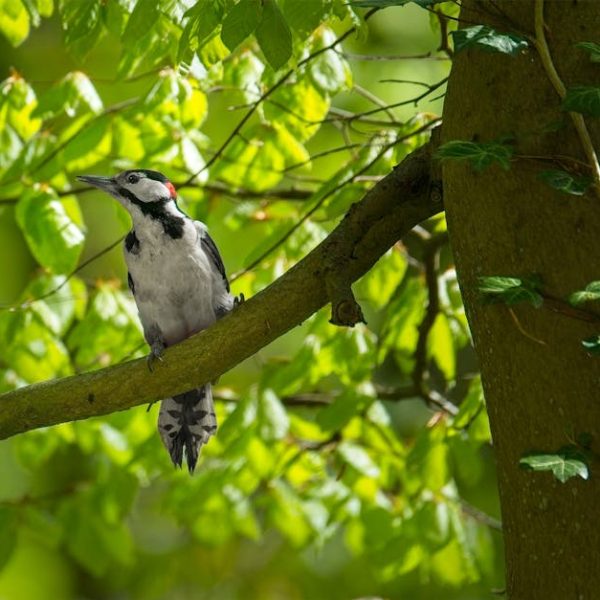

Defining intelligence within the avian world is a challenge, especially as it pertains to parakeets. Intelligence isn’t simply about mimicry or trained responses, but rather about processing and engaging with the environment. For birds, this includes problem-solving, the capacity to learn, memory recall, language comprehension, tool usage, and social behaviors—criteria that broadly define ‘bird intelligence’.
Pro Tips: Experiment with problem-solving toys to challenge your parakeet’s cognitive abilities, watch for their ability to learn new tricks or vocalizations, take note of how they use their environment (and sometimes tools) to problem solve, and observe their interaction with other birds and humans to get a comprehensive understanding of their intelligence.
Problem-Solving Ability of Parakeets
Parakeets are quick learners and excellent problem solvers. Brains may differ greatly across species, but parakeets prove that size isn’t everything. Parakeets exhibit their problem-solving capabilities in various ways—from figuring out how to manipulate their weighed toys, to learning tricks and figuring out complex puzzle feeders. These behaviors, backed by scientific research, truly showcase their cognitive aptitude.
According to the studies conducted, parakeets have shown to effectively:
- Use tools to access food, and solve tasks
- Learn to push and pull objects in a certain order to receive a reward
- Understand the concept of cause and effect
While parakeets are certainly dexterous problem-solvers, they may be outdone by some other species in certain tasks, showing their intelligence to be different, not necessarily better or worse, than other creatures.
Learning and Adaptation Skills of Parakeets
Parakeets are notable learners and adapt quickly to new settings. They can learn commands, tricks, and even mimic human speech, mirroring their owners with remarkable precision. Their adaptability is likewise impressive, quickly adjusting to changes in their environment and circumstances.
To best support and nurture your parakeet’s learning and adaptation skills, consider these best practices:
- Provide them with a secure and safe environment.
- Dedicate a set time each day for learning sessions.
- Use rewards (like treats) to encourage positive behavior.
- Showcase patience as they navigate their learning process.
In terms of learning capacity and adaptability, parakeets are comparable to other popular pet birds like cockatiels and budgies, with each exhibiting a unique learning pattern and coping mechanism.
Memory Capabilities of Parakeets
Parakeets possess a remarkable memory, vital to their survival in the wild. For instance, they use memory for food storage and retrieval—finding and remembering the location of food and water resources even over large areas. Parakeets are also known to recognise and remember human faces, which implies their ability to form a significant bond with their human companions.
Here is a checklist of signs indicating a healthy memory in parakeets:
- Ability to find their way back home after flying outdoors.
- Quickly learning and retaining new tricks or commands.
- Recall of human faces, voices, or specific human actions.
- Remembering locations of food and water resources.
Pro tips: To encourage and strengthen your parakeet’s memory:
- Engage them in memory-stimulating activities, such as food-finding games.
- Reinforce learned behaviours through repetition and reward.
- Let them socialize with other birds and humans to enhance their memory recall.
Parakeets and Social Interaction
Parakeets exhibit a high level of social intelligence, which is evident from their flocking behaviour in the wild. They are not solitary creatures, but rather they thrive on social interaction within their species and even with humans. Parakeets use complex vocalisations to communicate, show their mood, or warn others about potential dangers—clear signs of their social intelligence.
Here are some examples of parakeets’ social behaviors suggesting a high degree of intelligence:
- Group living: Parakeets always prefer to live in flocks.
- Alarm calls: Parakeets warn each other of potential dangers, thus showing their care for the group.
- Play: Like many intelligent creatures, parakeets engage in social play, a sign of their cognitive robustness and need for social interaction.
To foster healthy social interaction in your pet parakeet, here are some best practices:
- Allow your parakeet time out of its cage daily to socialize with you and your family.
- If possible, have more than one parakeet as they prefer companionship.
- Provide an array of toys to stimulate their social interaction.
- Give them stimulation and interaction: Engage in regular playful, gentle, and vocal interactions.
Key Takeaway:
- Parakeets display a high level of intelligence, measured through their problem-solving abilities, capacity to learn, memory recall, language comprehension, tool usage, and social behaviors.
- These birds have unique problem-solving capabilities and can swiftly adapt to new environments or situations.
- Parakeets also have impressive memory capabilities, notably in relation to food storage and retrieval, and remembering human faces.
- In terms of social interaction, parakeets exhibit intelligent behaviors and are highly social creatures thriving on interaction within their species and with humans.
In our venture to understand the intelligence of parakeets, we find a striking level of cognitive capability in these engaging birds. As pet owners, we should take time to appreciate and nurture their smartness by providing a stimulating environment, and engaging their curiosity and social needs. Your parakeet’s display of intelligence will surely fascinate and deepen your bond with them.
FAQs
Q: Can parakeets understand human language?
A: While parakeets can mimic human speech and understand certain commands, it’s important to note that their understanding of human language is not on par with ours. They understand more from the tone and repetition and associate it with particular responses or reactions.
Q: How important is social interaction for parakeets?
A: Social interaction is vital for parakeets. They are flocking animals by nature and thrive on interaction with humans and other birds. Lack of social interaction can lead to emotional distress in these birds, affecting their overall health and wellbeing.
Q: How can I stimulate my parakeet’s memory capability?
A: To stimulate your parakeet’s memory, engage them in memory-stimulating activities like food-finding games, reinforce learned behaviors through repetition and reward, and allow them to socialize with other birds and humans. This enhances their memory recall capability.
Q: What do parakeets’ problem-solving abilities say about their intelligence?
A: Parakeets’ problem-solving abilities demonstrate their cognitive skills and adaptability. Their capacity to use tools, understand cause and effect, and solve tasks to access their food are firm indicators of their intelligence.
Q: How do parakeets use their intelligence in the wild?
A: In the wild, parakeets use their intelligence primarily for survival. This includes locating and remembering the locations of food and water sources, navigating great distances, communicating effectively within their flock, and recognizing potential dangers.
Feel free to share this article with fellow parakeet enthusiasts and explore other posts on our website to learn more about these fascinating creatures!