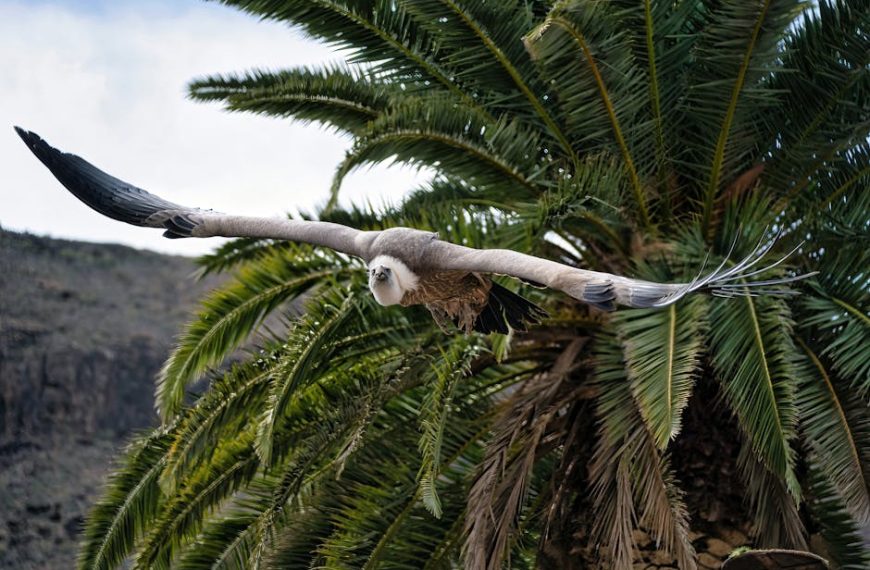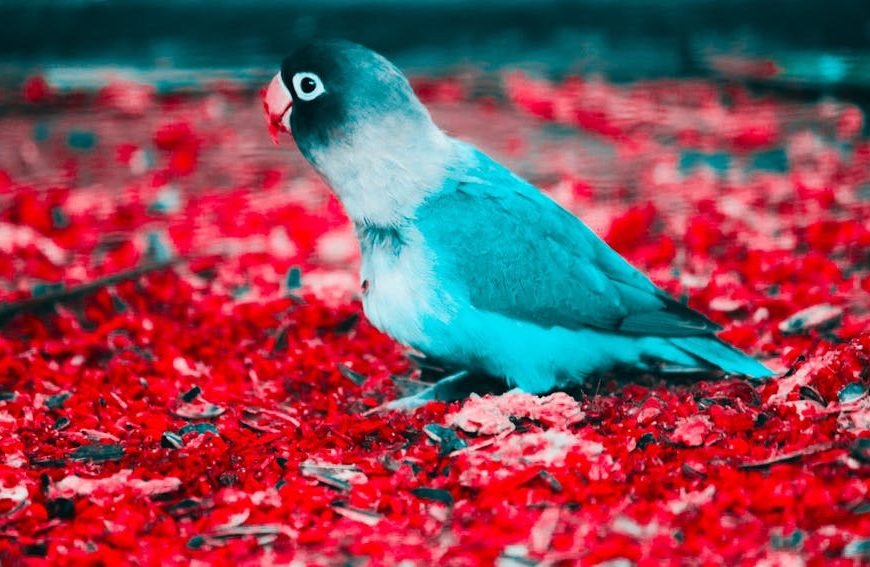

Birds have ingenious adaptations that allow them to thrive in various environments worldwide. One such adaptation revolves around their dietary habits – more specifically, the ingestion of small rocks or pebbles, known as gastroliths. This peculiarity isn’t a fascination for unusual cuisine but a crafty biological strategy integral to a bird’s digestive process. Throughout this article, we’ll thoroughly explore why birds eat rocks, the common types of birds with this habit, how they select the right stones, the impacts on their health, and the supporting scientific evidence.
The Role of Rocks in Birds’ Digestive Processes
Unlike mammals equipped with teeth to grind down food, many bird species use stones to perform a similar function. After ingestion, these stones or ‘gastroliths’ reside in the gizzard, a specialized, muscular part of a bird’s stomach where they grind down hard food particles that birds consume along with the rocks.
In addition, these gastroliths also play another key role:
- They aid in grinding food particles into a paste to facilitate easier digestion and nutrient absorption.
- They can supply some necessary minerals, contributing to the bird’s overall nutrition.
Pro Tip: Different bird species, due to their varying dietary requirements, may display different choices and uses of gastroliths – something we’ll touch on later.
Common Bird Species that Consume Rocks
Stones form part of the diet for a vast array of bird species, ranging from petite pigeons to larger birds like ostriches.
| Bird Species | Commonality of Gastrolith Usage |
|---|---|
| Domestic Chickens | High – they particularly utilize grit for the breakdown of grains. |
| Pigeons | Very Common – city-dwelling pigeons are known to peck at concrete for this purpose. |
| Ostriches | Common – their diet involves fibrous plant material that needs grinding. |
| Parrots | Varies – tropical parrots that eat seeds and nuts often require gastroliths. |
Best Practice: For bird owners and breeders, recognizing this need is crucial. Offering birds a balanced diet should include suitable stones to aid their digestive health.
How Birds Select the Right Stones to Consume
Given that the stones perform such a crucial function, birds can’t just select any random pebble. Birds have been observed to exhibit clear preferences when it comes to selecting gastroliths based on their size, shape, and texture.
However, human activities like urbanization and habitat destruction may hamper their ability to find suitable stones, adding another layer of difficulty to their survival.
Pro Tip: Awareness about these preferences can not only provide an insightful look into avian behavior but also inspire us to take steps towards creating bird-friendly habitats and limiting potential risks.
Impact of Rocks in a Bird’s Diet on its Health
Ingesting stones is of considerable benefit to birds, but it is not without potential drawbacks. For the birds, the positives and negatives can be balanced in a certain equilibrium that relies heavily on the bird’s ability to select suitable stones.
Below is a breakdown of the pros and cons:
| Pros | Cons |
|---|---|
| Assists Digestion – The grinding of food particles facilitates easier nutrient absorption. | Potential for Impaction – There’s a risk that, if the rocks are too large, they could cause a blockage in the bird’s digestive tract. |
| Provides Minerals – Some stones contain valuable trace elements, contributing to optimal nutrition. | Risk of Foreign Body Ingestion – Birds run the risk of inadvertently swallowing harmful debris (like plastic) instead of small pebbles. |
Pro Tip: If a pet bird seems uncomfortable, disinterested in food, or is losing weight, it may be experiencing impaction. A vet should be consulted immediately in such cases.
Scientific Evidence on Avian Gastroliths
Science offers evidence validating the practicality of using stones for digestive purposes among birds. Numerous research studies conducted have substantiated their roles in digestion and mineral supply.
However, this area still leaves room for further exploration. With such diverse dietary habits among bird species, the variations in their use of gastroliths provide exciting opportunities for future research.
: Interestingly, eating rocks isn’t just a modern bird adaptation. Paleontologists have discovered gastroliths in fossilized remains of prehistoric bird species, suggesting that this dietary habit stretches back millions of years!
By understanding how and why birds eat rocks, we can better appreciate these remarkable creatures and ensure that they continue to thrive in our increasingly urbanized environments. So, the next time you spot a bird pecking at the ground, don’t immediately shoo it away – it might just be on the hunt for the perfect dining aide!
Key Takeaway:
- Birds ingest small rocks or pebbles, known as gastroliths, as these stones assist in grinding food particles for easier digestion and provide necessary minerals.
- Various bird species have different preferences for gastroliths based on their diverse dietary needs, including common ones like domestic chickens, pigeons, ostriches, and parrots.
- Choices for gastroliths vary in terms of size, shape, and texture, but human activities like pollution and habitat destruction can affect the availability of suitable stones for birds.
- Ingesting stones benefits birds by facilitating digestion and supplying minerals, yet it can lead to potential health risks, such as impaction or foreign body ingestion.
- Scientific research confirms the integral role of gastroliths in avian digestion, with findings demonstrating its usage in both modern and prehistoric bird species.
It’s fascinating to think that something as mundane as a pebble can play such a crucial role in a bird’s biological strategy for survival. The avian world’s ingenious adaptation shows the endless wonders and complexities of nature. By understanding this, we can truly appreciate birds and our shared environment, highlighting the importance of protecting their habitats and promoting biodiversity.
FAQs
Q: Can feeding my bird gravel from my driveway help with its digestion?
A: It depends on the size, shape, and texture of the gravel. Birds have specific preferences when choosing stones to consume. However, ensuring that the stones are clean, free from toxins, and suitable in size and texture is essential.
Q: Are there any signs that my pet bird is swallowing harmful debris instead of small rocks?
A: Yes, unusual behavior such as loss of appetite, weight loss, or discomfort can indicate your bird has ingested harmful materials. Consult a vet immediately if you observe these signals.
Q: Do all birds eat rocks for digestion?
A: No, not all birds ingest rocks. Most of the birds that do are those that consume grains, seeds, and other hard food materials that need grinding.
Q: How can I ensure my pet bird gets the necessary minerals if it does not consume rocks?
A: An option can be to provide mineral blocks or cuttlebone that birds can peck at for necessary minerals. Before making changes to your pet’s diet, always seek advice from a bird expert or veterinarian.
Q: Are there opportunities for citizen science projects involving the study of avian gastroliths?
A: Indeed. Scientists continue to learn more about avian dietary habits, and birdwatchers can contribute by documenting bird behaviors, especially relating to stone consumption. Always make sure, though, that your observations do not interfere with the birds’ natural behaviors.
Thank you for piercing the veil of avian mysteries. Please feel free to share this article with friends, family, and other bird enthusiasts. Explore more posts on our website to continue your journey of discovery in the wondrous world of birds.