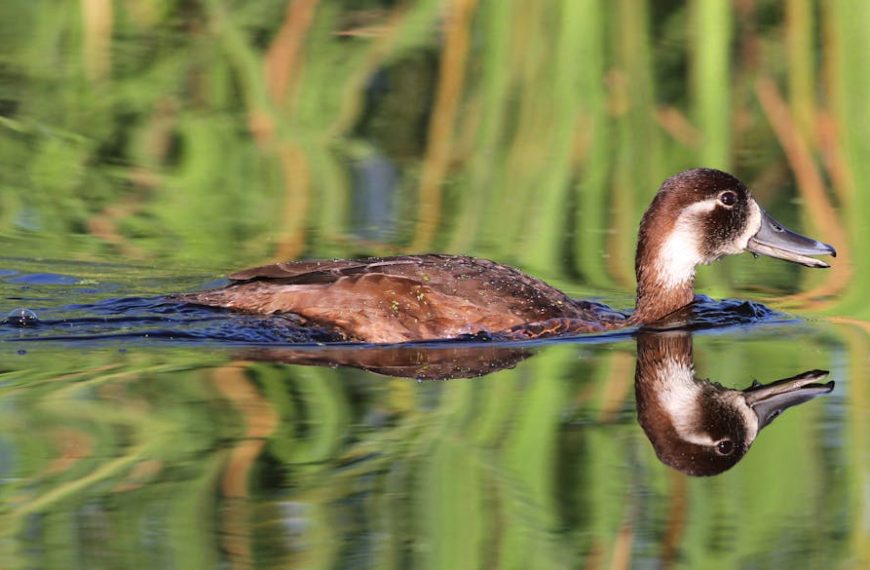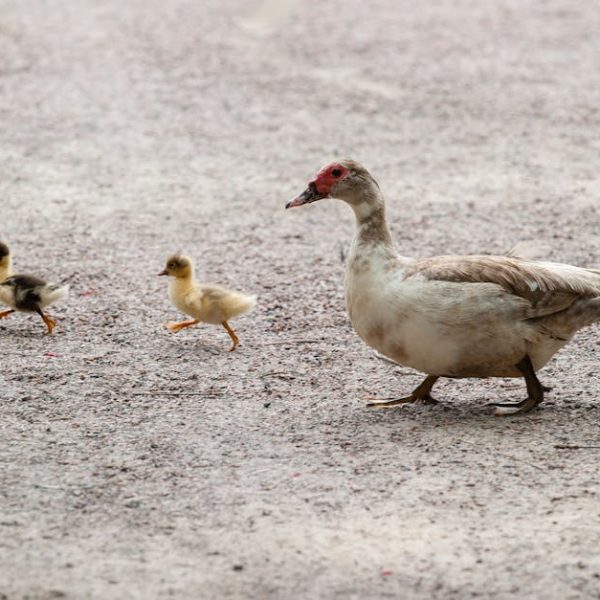
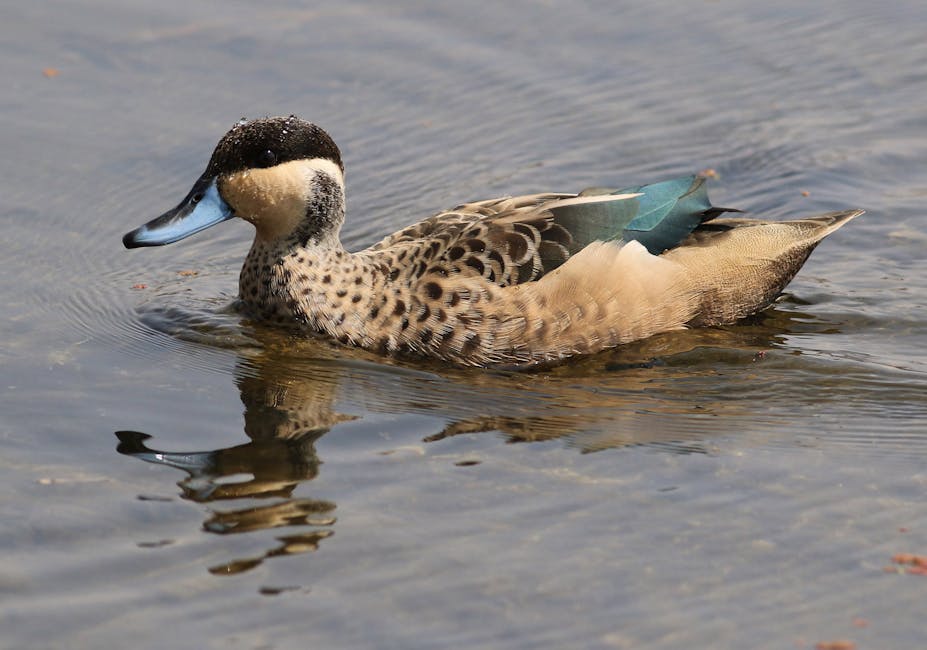
Interestingly, the physiology of ducks compensates for the challenges of diving adequately, enabling these fascinating creatures to comfortably stay submerged when the need arises.
Most ducks are designed with excellent diving capabilities, courtesy of their oxygen-storing capacity. Their bodies possess a highly efficient network of hemoglobin and myoglobin proteins that capture and store oxygen in both their muscles and blood.
Moreover, ducks can profoundly slow their heart rate from the usual 200 to 60 beats per minute while diving. This drastic reduction, often a surprise to many, allows them to lower their metabolic rate – decreasing the use of their oxygen reservoirs. Consider the human reaction in contrast: hearts typically pound faster in response to diminished oxygen, hurrying to compensate for reduced supply.
Some standout diving duck species include the Common Pochard, Eider Duck, and Tufted Duck. They exhibit amazing aquatic endurance and resilience, diving deep and staying submerged for prolonged periods in pursuit of food.
Duration Ducks Can Stay Submerged
The question, ‘exactly, how long can ducks stay underwater?,’ is one with varying answers. As with many facets of nature, where diversity is a constant theme, the duration a duck stays underwater largely depends on factors such as species, age, overall health, and environmental conditions.
On average, ducks can make dives anywhere between 10-60 seconds, coming up for a quick breath before diving again if needed. Species such as the Canvasbacks and Redheads are renowned for extended dives that can last up to 80-120 seconds! However, juvenile ducks or those in poor health might have shorter dives as they can’t hold their breaths as long as their healthier counterparts.
Life Underwater: What Ducks Do Below the Surface
While the duck’s dive duration might intrigue us, understanding why they dive brings the picture full circle. Foraging is the dominant reason behind a duck’s dive; they feed on a diverse diet of underwater plants, invertebrates, and small fish – a buffet presented by the aquatic ecosystem.
Sometimes, their dives are defensive mechanisms to evade predators, which could range from large fish to humans. And, in other cases, ducks dive underwater for grooming purposes – to remove parasites and clean their feathers, maintaining their famed ‘waterproof’ exterior.
Being aware of these reasons adds context to observing ducks diving underwater, making it more than a simple trivia fact but a testament to the duck’s endurance and survival strategies.
How Ducks Adapt to Challenging Diving Conditions
Ducks exhibit impressive adaptability tactics when faced with challenging diving conditions such as cold water or powerful currents. For instance, ducks have a counter-current heat exchange system on their legs – a nifty biological adaptation. This system helps maintain their body temperature even when they dive in icy water.
Furthermore, ducks are equipped with a multi-layered feather coating that provides buoyancy and waterproofing. If a strong current attempts to sweep them away, a duck can flatten its feathers to increase its body density and dive deeper, where the water is less turbulent.
Observing these adaptive behaviors requires some grasp of their habitats: rapid currents, cold climates, and an eye for detail.
The survival benefits these adaptations provide are crucial: they facilitate underwater hunting, thermal regulation, and predator evasion. On the flip side, they demand significant energy, so ducks must have a rich intake to compensate. Additionally, shedding off waterproof oils during grooming makes ducks vulnerable to the cold until they reapply them.
Threats to Diving Ducks and Conservation Efforts
Threats facing diving ducks are numerous, with the main culprits being habitat loss, human disturbance, pollution, and climate change. Warming environments disrupt migration patterns and the availability of certain food types, impacting duck health and breeding success.
Conservation efforts such as establishing and maintaining natural reserves, protective legislation, and public education have considerably contributed to safeguarding the habitats of these unique creatures. Adopting sustainable hunting practices and investing in research also contribute towards the conservation of duck populations.
However, it doesn’t stop there. You, too, can contribute to these efforts:
Checklist:
- Promote and support local conservation efforts.
- Install duck nests in your backyard if you live close to duck habitats.
- Educate others about the importance of conservation.
- Participate in citizen science projects monitoring duck populations.
- Practice responsible tourism and respect wildlife.
To maximize effectiveness and sustainability, it’s crucial to adopt a blend of conservation strategies, each addressing distinct elements of the problem. For example, habitat protection focuses on preserving and restoring healthy ecosystems, while legislations deter harmful human activities like illegal hunting and habitat destruction.
Key Takeaway:
- A duck’s physiology, including its ability to store oxygen and control heart rate, is designed to facilitate underwater diving.
- The duration a duck can stay underwater varies and can be influenced by factors such as species, age, health, and the environment.
- Ducks primarily dive for foraging, but they can also dive to evade predators or for grooming purposes.
- Ducks show remarkable adaptability when faced with challenging diving conditions such as cold water or strong currents.
- Diving ducks face several threats, including habitat loss, pollution, and climate change. Conservation efforts are in place to mitigate these threats.
While you may be dazzled by these incredible feats of nature, remember that diving ducks face numerous threats that could jeopardize their survival. However, through concerted conservation efforts, both on an individual and communal level, we can help to secure the future of these fascinating creatures. Keep observing, and treasure each moment of learning; understand that these behaviors speak to the resilience and adaptability of these captivating aquatic birds, and inspire us to do our bit in preserving their habitats.
FAQs
Q: What factors can make a duck’s dive shorter than usual?
A: Factors such as age, health condition, and environmental threats can cause a duck to dive for shorter periods than usual. Young or unhealthy ducks typically can’t hold their breath as long as their healthier or mature counterparts.
Q: How do ducks manage to stay warm when diving in cold waters?
A: Ducks have a counter-current heat exchange system on their legs. This biological adaptation helps maintain their body temperature even when they dive in icy water.
Q: Are all species of ducks capable of diving?
A: While most duck species possess some ability for diving, not all are proficient divers. The diving skills vary greatly among species, with some known for their excellent diving capabilities.
Q: What are some ways I can contribute to the conservation of diving ducks?
A: Promoting and supporting local conservation efforts, installing duck nests in your backyard if you live close to duck habitats, educating others about the importance of conservation, participating in citizen science projects monitoring duck populations, and practicing responsible tourism are all ways you can contribute to conserving diving ducks.
Q: How does pollution affect diving ducks?
A: Pollution can contaminate the waters where ducks live, limiting their food supply and potentially leading to disease or death. It can also destroy their habitats, making it harder for them to find suitable places for nesting and foraging.
We hope you found this article engaging and informative. Please consider sharing it with other wildlife enthusiasts. Explore more posts on our website to deepen your understanding and appreciation of the natural world.