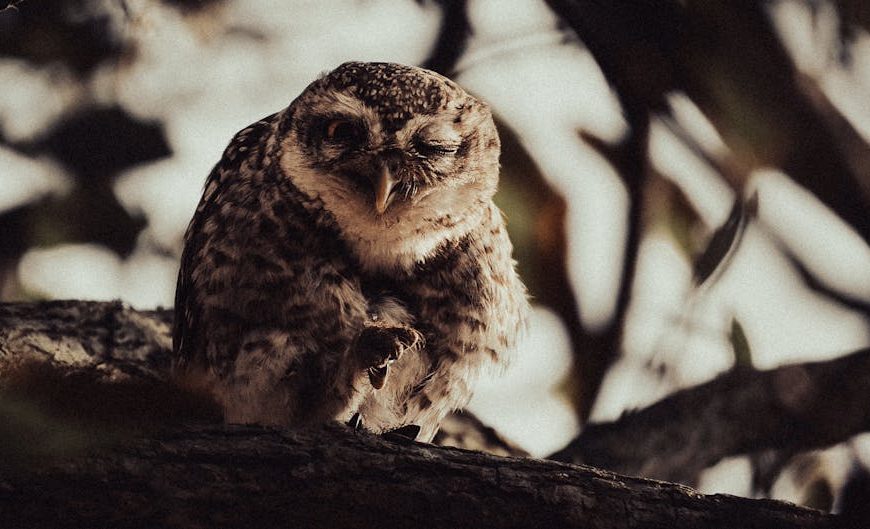
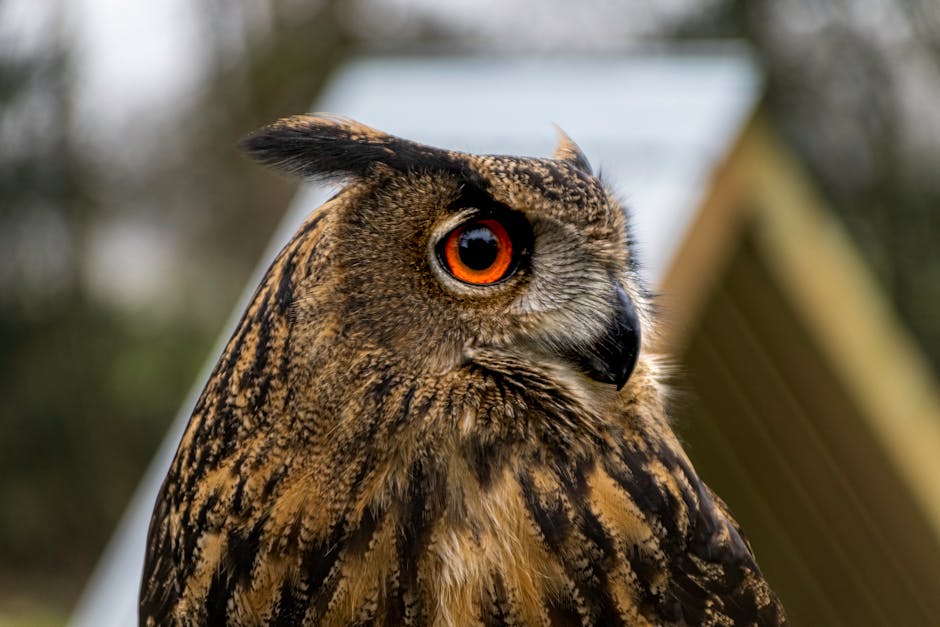
An understanding of the wide-ranging hoot owl sounds reveals fascinating aspects of owl behavior and communication. This knowledge is not only advantageous for bird enthusiasts but also has significant scientific and ecological applications. By familiarizing oneself with these vocalizations, individuals can contribute to valuable research and conservation efforts.
Identifying Different Kinds of Hoot Owl Sounds
Strikingly, hoot owl sounds vary greatly based on factors such as species, age, gender and geographical location. For instance, Great Horned Owls are known for their deep, resonant hooting, while Eastern Screech Owls emit a haunting, trilling sound. Additionally, juvenile owls produce distinctive calls when begging for food.
Key features to note when identifying different hoot owl sounds include:
- Tone: Can range from a low, sedate hoot to a high-pitched screech.
- Rhythm: Duration and intervals of calls offer important identifying details.
- Repetition: Listen for repetitive patterns in the sound, as these can indicate specific behaviors or messages.
Comparing sounds of divergent owl species, such as the Barn Owl versus the Long-eared Owl, can elucidate the variance in their distinctive calls, aiding identification.
The Significance of Hoot Owl Sounds
Hoot owl sounds play a critical role in their behavior. Beyond communication, these sounds can act as mating calls, territory markers, or cautionary warnings to other creatures. For instance, an interloping owl might be deterred by the territorial call of a resident counterpart.
Pro Tip: Pay close attention to the timing and context of the owl sounds. Owls are most vocal during mating season and can be especially territorial when they have young to protect.
Supplementing your birdwatching hobby with an understanding of owl communication nuances enriches the experience while honing your identification skills.
Observing Hoot Owls and Their Sounds in Nature
Observing hoot owls in their natural habitat grants remarkable insights. The dead of night, appropriately known as the ‘owl’s hour,’ tends to be the prime time for capturing various owl sounds.
Here is a checklist of essential items for your owl-watching kit:
- Field guide: Essential for identifying different owl species and understanding their behaviors.
- Binoculars: Useful for a closer inspection of owls and their spectacular features.
- Reliable sound recording device: Vital for documenting and analyzing different hoot owl sounds
Pro Tip: Always approach owl habitat areas quietly and respectfully to minimize disturbance. It is essential to remember that you are a guest in their territory.
Importance of Sound Analysis in Owl Research
Sound analysis plays a pivotal role in the study of owl behavior and ecology known as Ornithology. This research method offers an intimate window into the life of these fascinating nocturnal creatures, beyond what visual observation can provide. It can also help as a non-invasive way to track owl populations over time and across large geographical areas.
Visual and sound-based owl research methods each have their strengths and weaknesses:
| Research Method | Strengths | Weaknesses |
|---|---|---|
| Visual Survey | Enables direct observation of physical characteristics and behaviors. | Constrained by light conditions and visibility; potentially disturbing to owls. |
| Sound Analysis | Allows for comprehensive understanding of vocalizations; causes little disturbance. | Requires trained ear or sound analysis software; specific owl species may remain silent. |
Among the best practices for hoot owl sound recording and analysis: Avoiding noise pollution, using quality sound recording equipment and cross-referencing with other available research data are strongly recommended.
Conservation Efforts and the Role of Citizen Science
Understanding hoot owl sounds can significantly contribute to owl conservation efforts in different parts of the world. Increased knowledge of owl calls can help identify the presence and diversity of owl species in a certain area, informing conservation strategies.
Here are ways to participate in citizen science projects involving owls:
- Participate in local owl surveys and monitoring programs.
- Report sightings and sounds to relevant conservation bodies.
- Partake in owl banding missions, where tracking devices are placed on owls to study their movement and behavior.
Citizen involvement in owl sound collection and identification comes with both advantages and potential drawbacks:
Pros:
- Offers a broader scope for data collection.
- Engages the public in conservation and environmental education.
Cons:
- Possible misidentifications by untrained ears.
- Potential disturbance to owls if people are not appropriately cautious or respectful when near owl habitats.
Owl appreciation requires a careful balance of learning, observation, and respect. By taking up the challenge of understanding hoot owl sounds, you dive into a rich world of avian communication, contributing to crucial conservation and research efforts. Together, we can ensure that the night remains filled with the diverse and enchanting chorus of hoot owls.
Key Takeaway:
- Hoot owl sounds are incredibly diverse and are influenced by factors including species, age, gender, and location. Their sounds play crucial roles in owl behavior and communication.
- Understanding these sounds is beneficial for birdwatchers and scientists alike, with significant applications in ornithology and ecology.
- By familiarizing oneself with hoot owl sounds, an individual can contribute directly to valuable research and conservation efforts globally.
- Citizen science initiatives offer opportunities for the public to engage in conservation efforts and enhance their birdwatching experiences.
Your venture into understanding hoot owl sounds is like embarking on an auditory treasure hunt. With patience and keen listening, you’ll uncover the idioms of the night skies, and in doing so, contribute to the vital conservation efforts these marvelous creatures require. Happy owl listening!
FAQs
Q: Can understanding owl sounds help in their conservation?
A: Absolutely. By understanding and recognizing owl sounds, we can help identify their presence and diversity in particular areas. This data can then inform local conservation strategies to protect owl habitats.
Q: Is different training required to understand owl sounds versus other bird sounds?
A: Yes, understanding hoot owl sounds might require specific training due to their wide variety and the complexity of their vocalizations. Knowledge of the different types of owl species and their unique sounds is important.
Q: Can anyone record and analyze owl sounds for scientific purposes?
A: Yes, with the rise of citizen science initiatives, anyone can contribute to the scientific study of owl sounds. However, proper guidance is needed in identifying sounds correctly and ensuring minimal disturbance to these night creatures.
Q: How can beginners start observing and understanding owl sounds?
A: Beginners can start by learning about different owl species and their vocalizations, then practice by going on owl-watching expeditions. Essential tools include a good field guide, binoculars, and a reliable sound recording device.
Q: What is the best time to listen to hoot owl sounds?
A: Owl sounds are most generally heard during the night time, also known as the ‘owl’s hour’. However, the exact time may vary based on the species and their specific behaviors.
Share this article with other owl enthusiasts and explore more posts on our website to dive deeper into the captivating world of these magnificent creatures!