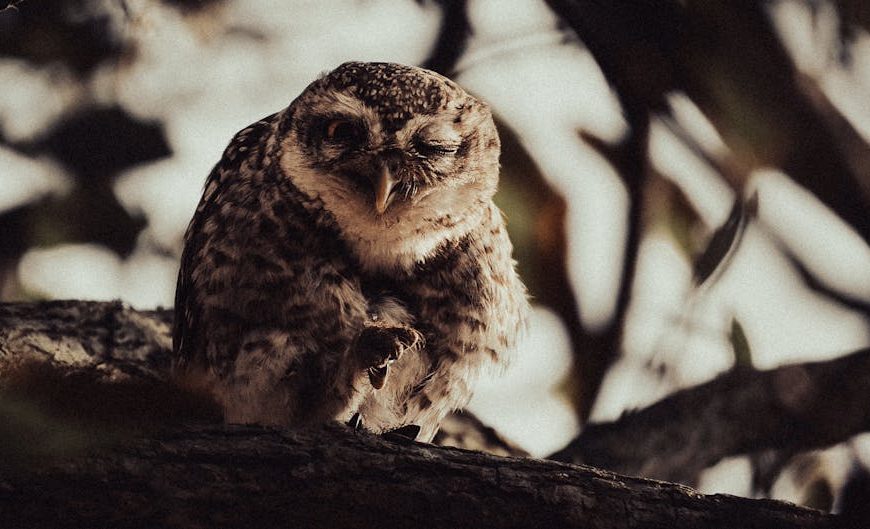

Understanding Eagle’s Hunting Style
Eagles, renowned for their extraordinary power and precision, are diurnal hunters. Unlike most nocturnal hunters such as owls or bats, eagles primarily hunt during daylight hours. Their keen daylight vision, coupled with their efficient hunting strategies, allows them to successfully hunt and capture their prey.
Geographical location and prey availability significantly influence an eagle’s hunting style. For instance, eagles inhabiting coasts or water bodies primarily hunt fish, employing a swoop-and-grab technique. Meanwhile, eagles in woodlands or deserts primarily feed on smaller creatures like rodents, snakes, and other birds, employing a mixture of stalking and quick aerial assault.
Pro Tip: The sharp vision of an eagle is a crucial component of their hunting strategy. Eagles can spot their prey from miles away – a skill they utilize to prepare and execute a successful hunt.
In contrast to the hunting habits of eagles, other birds of prey (like owls or hawks) may hunt differently based on factors like their own visual abilities, prey type, and environment. For example, owls — being nocturnal — have adapted to hunt in low light, spotting and swooping in on their prey under the cover of darkness.
The Daytime Hunting Pattern of Eagles
Eagle’s daytime hunting is a meticulously planned and executed operation. Eagles leverage sunlight hours profusely for their hunting excursions. They use thermal updrafts to gain altitude and scan for prey on the ground below. Once they’ve identified a target, eagles initiate a swift dive, reaching speeds of up to 200 miles per hour, to catch their prey off guard.
The preference for daytime hunting can be largely attributed to the eagle’s extraordinary vision. Eagles have one of the keenest eyesights in the animal kingdom, and daylight enhances their visual acuity, aiding in successful hunts.
Checklist for Daytime Hunting:
- Eagles detect thermal updrafts.
- They ride these updrafts to achieve a higher vantage point.
- Eagles use their sharp vision to survey for prey.
- Once a prey is spotted, eagles dive sharply to seize their target.
Best Practice: Eagles are strategic hunters. They optimize their energy usage by soaring on thermal updrafts, reducing the need for active flight while hunting. When diving for prey, they hone in with laser-like focus, ensuring a higher rate of success in capturing their prey.
In the next part of this article, we’ll divulge into the instances where eagles stray from the rule and hunt under the cover of darkness. Watch this space!
Eagles Hunting at Night: The Exception or The Rule?
With their eyes engineered for daylight hunting, eagles are typically day hunters. However, there are these rare and intriguing instances where eagles have been seen to hunt at night. This exceptional behavior often shines a light on the versatility and adaptability of these majestic birds.
Different circumstances might trigger nocturnal hunting in eagles. In areas of extreme seasonal changes where daylight becomes scarce during winter months, eagles may resort to hunting under the pale moonlight. Likewise, eagles have been noted to switch to night-time hunting in the face of fierce competition or scarcity of food during their usual morning hunts.
List of Some Eagles Known to Hunt at Night:
- White-tailed eagles: Known to hunt in low light or dusk settings, especially in winter.
- Bald eagles: There are accounts of these North American natives occasionally hunting at dusk or dawn.
Pros and Cons of Night Hunting:
- Pros: Fewer competitors and undisturbed hunting sessions.
- Cons: Reduced vision, limited control over speed, and increased probability of missing prey.
Effects of Seasonal Changes and Adaptations on Eagle’s Hunting Habits
Seasonal changes can profoundly influence an eagle’s hunting routine. During summer, the extended daylight offers ample time for eagles to hunt. However, in the depths of winter, when daylight hours dwindle, eagles have been known to adapt and sneak in a few nighttime hunting sessions to supplement their food intake.
Pro Tip: Adaptability is one of the eagles’ key survival strategies. They can adjust their hunting schedules, and even their hunting methods, to deal with seasonally influenced scarcity of food or light.
The following table compares how hunting varies across the seasons:
| Season | Day Hunting | Night Hunting |
|---|---|---|
| Summer | High (Long daylight hours) | Low (Short nights) |
| Winter | Low (Short daylight hours) | High (Long nights, especially under moonlight) |
Eagles and Moonlight: A Subtle Nighttime Hunting Aid
Yes, you read it right! When situations demand, eagles will even resort to moonlight to aid their hunts. Bright moonlit nights provide enough illumination for eagles to spot their prey. This can partly compensate for their reduced vision.
List of moon phases that encourage night hunting:
- Full Moon: Provides the highest visibility among all moon phases.
- Gibbous Moon: Still enough illumination for an eagle to detect movement.
Best Practice: Eagles patiently observe the movement of their prey under the moonlight. They then dive swiftly to strike, leveraging the element of surprise due to the relatively low visibility.
Eagles, being opportunistic predators, switch their hunting strategies according to the context — making them one of the most adaptable hunters in the animal kingdom. To sum up, while eagles most commonly hunt during the day, they are capable of night hunting under specific circumstances or needs. Their hunting strategies, built around making the most of their keen sight and the available light, perfectly exemplify their adaptability and finesse as predators.
Key Takeaway:
- Eagles are primarily diurnal hunters, optimally utilizing their powerful daylight vision for successful hunts.
- Factors like geographical location and prey availability profoundly influence their hunting style.
- While daytime hunting is their staple, eagles can resort to hunting at night under specific conditions or needs.
- Seasonal changes also impacts hunting routines of eagles, with some transitioning to nighttime hunting due to reduced daylight in winter months.
- Moon phases can influence the occurrence of night hunting, with full moon nights providing better visibility.
Though eagles are usually associated with daytime hunting, it’s fascinating to understand their versatility and ability to adapt to different circumstances. This resilience and adaptability are what make eagles some of the most intriguing creatures in the animal kingdom.
FAQs
Q: Do all species of eagles adopt nighttime hunting when needed?
A: Not all species may resort to nighttime hunting. It can change depending on the species and their specific environment or circumstances.
Q: Can eagles’ eyesight adapt to pitch-black darkness?
A: While eagles have exceptional eyesight, they struggle in complete darkness. Their vision is optimized for daylight, and darkness can impede their hunting efficiency.
Q: How fast can an eagle dive when looking to capture prey?
A: Eagles can reach impressive speeds up to 200 miles per hour during their swift dive to capture prey.
Q: Do eagles exhibit any unique hunting strategies during different moon phases?
A: Eagles leverage the illumination provided by certain moon phases. They patiently observe their prey’s movement under the moonlight, then swiftly strike when the moment is right.
Q: Are there specific prey that eagles hunt more during the night?
A: Eagles are opportunistic predators. The type of prey they hunt at night may depend on what is locally available and not specific to daylight or nighttime hunting.
Encourage your network to read and share this article further. Also, explore more related posts on our website.