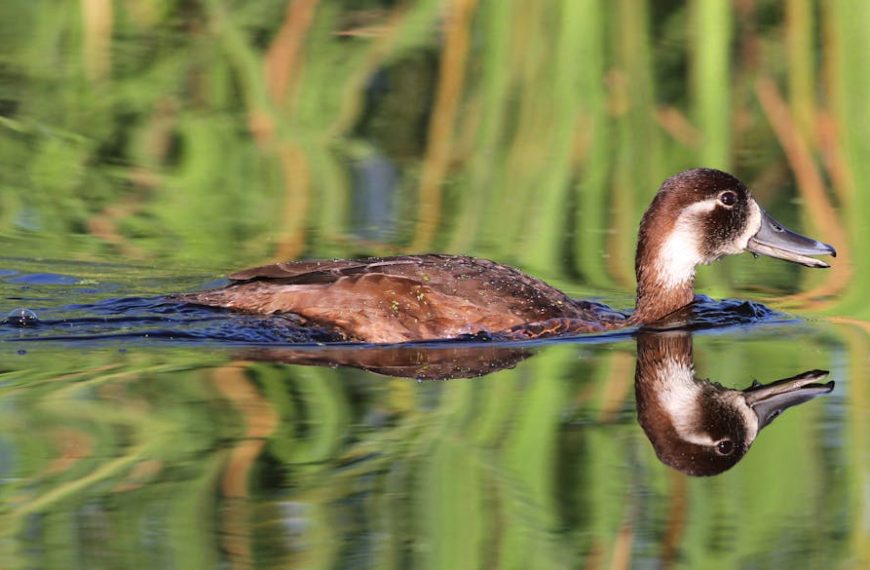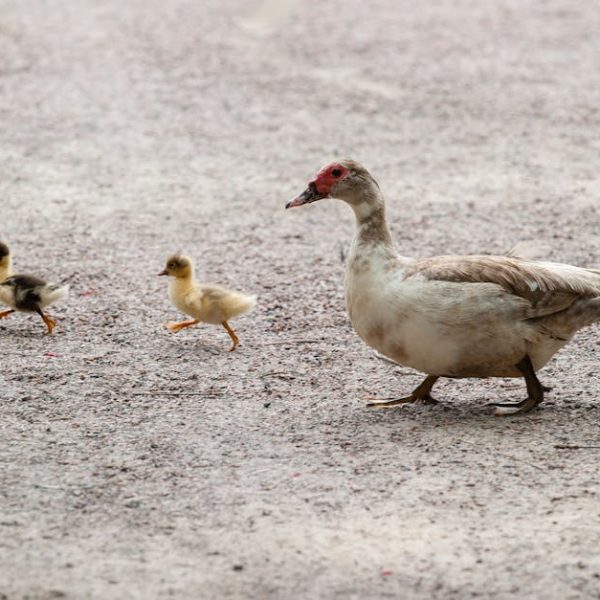

Surprisingly, not all ducks wear the same yellow hue we usually associate with these avian beings. Most of our misconception comes from children’s books and toys, where ducks are predominantly yellow. However, in reality, the animal kingdom is a canvas splashed with brilliant diversity, and ducks are no exception. From basic browns and blacks to extravagant blues, greens, and purples, ducks wear a colorful spectrum that impersonates a painter’s palette.
Let’s get to know a few of these multi-hued species:
- The Mandarin duck is painted like a majestic dream with shades of purple, white, and orange.
- The Harlequin duck renders a classic contrast between dark gray and bright cerulean.
- The Mallard male sports a green head elegantly complemented by a beige body.
Want to unravel the wonders of duck diversity in your backyard? Go online and refer to websites like the Cornell Lab of Ornithology, which encompasses an extensive gallery of duck species, their habits, and hues.
Differentiating Between Male and Female Ducks
If you thought color diversity in ducks was curious, wait till we crack the case of gender differences. Ducks wear a sartorial divide as a part of their nature-endowed wardrobe. Males, or ‘drakes,’ often adorn bold hues and patterns – a sartorial spectacle that aids in attracting potential mates. Females, on the other hand, stay mostly understated in their attire, often sporting subdued shades like brown. This cryptic coloration keeps them and their nests hidden from predators.
Take the Mallard ducks, for example:
- The male Mallard duck flaunts a bright green head, while a narrow white collar separates the chestnut brown chest.
- The female Mallard is a drab mottled brown, designed to blend in with its nesting territory away from unwanted attention.
Duck watching tip: Look out for stark color contrasts. This could be your ticket to identifying the drake in the flock.
The Role of Plumage in Duck Colors
Plumage plays a significant role in a duck’s magical color journey. Ducks molt, changing their feathers and notably their colors, making way for new growth. Seasonal changes also direct the color parade of ducks. For instance, during breeding season, ducks don their most colorful attire to attract mates, ushering a carnival of colors.
There are several variations in duck plumage to consider:
- Molting: Ducks change feathers periodicaly, altering their colors in the process.
- Seasonal Changes: Shade variations are evident according to the season, with the most vibrant array unveiled during breeding season.
- Juvenile Coloring: Young ducks usually have subdued shades as compared to adults.
Dipping into this colorful splash has its advantages, like camouflage and attracting potential mates. However, vibrant colors might also make them more visible to predators. The vibrant tapestry of the duck world truly a marvel of nature, an apt reminder of biodiversity at its best.
The Effect of Diet on Duck Colors
Did you know a duck’s diet also has a significant role in determining its color? That’s right! Several research studies point towards the influence of a duck’s diet on its color tone, shedding light on another fascinating aspect of the avian world. For instance, a diet rich in carotenoids – a type of pigments found in plants – can amplify the red and yellow hues of a duck.
Foods that contribute to a change in duck colors include:
- Algae and weeds
- Insects and invertebrates
- Shellfish and crustaceans
- Various types of seeds and grains
Interestingly, comparing the diet of wild ducks versus their domestic counterparts, we find that wild ducks have access to more diverse food sources. This diet diversity can possibly contribute to a richer range of colors. However, more research is needed to fully understand these intriguing color transformations.
Debunking the Myth of Yellow Ducks Only
Like many myths, the narrative of all ducks being yellow might stem from popular culture – children’s books, cartoons, and toys. The yellow baby duckling has been etched into our collective memory. However, delving into the vibrant world of ducks reveals that their color spectrum is much wider than a single yellow hue.
Here’s a pro tip: You play an essential role in debunking misconceptions. Use your newfound wisdom about duck colors to inform others. This not only corrects an age-old misunderstanding but also fosters an understanding of wildlife diversity.
To deepen your appreciation and knowledge of our feathery friends:
- Visit local parks or reserves known for their duck populations and observe them in their natural habitats.
- Join bird-watching communities, both online and offline, to share knowledge and learn from experts.
- Use bird identification apps and guides to help identify different species during your nature explorations.
At the end of the day, wildlife is as diverse as it is remarkable. As we peel back the layers of misconception, we open our eyes to wonder, respect, and appreciate the true colors of the natural world. So the next time you think of a duck, let it not be a simple yellow stroke but a rainbow of possibilities!
Key Takeaway:
- Duck colors are far more diverse than the commonly assumed monotonous yellow, displaying a wide range of hues and patterns.
- Different species of ducks exhibit unique color patterns, with males typically having more vibrant colors than females.
- Plumage changes significantly influence a duck’s color, and these can vary with molting, seasons, and the duck’s age.
- A duck’s diet can affect its color as certain algae, crustaceans, grains, and more can cause color changes in the bird.
- The myth that all ducks are yellow is based on popular culture and contributes to limited public understanding of wildlife diversity.
Seeing all ducks as yellow is like viewing a rainbow in grayscale. Let’s celebrate the vibrant diversity of ducks, from their varied color patterns to their dynamic plumage changes and dietary influences. A world of wonder is waiting to be discovered in your own backyard or local park. So, take the time to learn, observe, and share your knowledge about these incredible birds.
FAQs
Q: Do all male ducks have vibrant colors than females?
A: This is generally true for many duck species where males, also known as drakes, display more bold colors to attract potential mates. Still, remember it’s not a universal trait—there’s plenty of variety in the duck world!
Q: Does the color of a duck change with age?
A: Yes, the color of a duck can change as it grows. Juvenile ducks often have softer, more muted colors compared to adults.
Q: Does the season affect a duck’s color?
A: Indeed, ducks tend to display the most vibrant colors during the breeding season to attract mates. However, the variation in colors can be influenced by other factors as well, such as diet and molting.
Q: How significant is a duck’s diet in determining its color?
A: Diet can play an important role in determining a duck’s color. Some types of food, such as certain algae or crustaceans, can cause color changes in ducks.
Q: How can I educate others about duck color diversity?
A: Sharing articles like this one, engaging in conversations, and inviting others to bird-watching experiences are wonderful ways to educate others about the color diversity of ducks.
Thank you for reading this article! Don’t forget to share it and explore more interesting posts on our website. Let’s cultivate a community that appreciates and understands the vibrant diversity of nature.