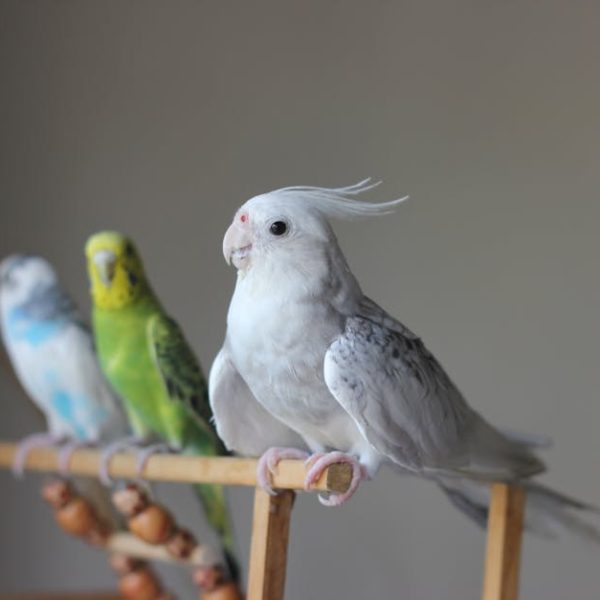
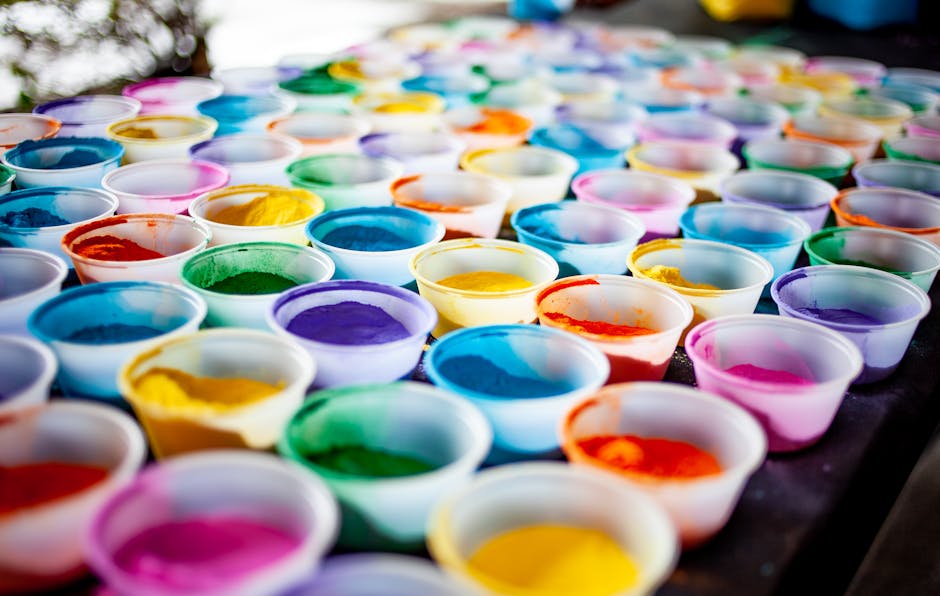
Behind every colorful, enthralling bird bath lies a primer layer of paint, integral not only to aesthetics but to the welfare of our feathery friends as well. The importance of using non-toxic paints for bird baths can’t be stressed enough as it directly impacts the health and survival of birds.
Normal paints may contain chemicals, metals, or other toxic substances. When birds drink or bathe in the water, these harmful substances can get into their system, leading to various health problems, disease, or even death. Additionally, because birds are delicate creatures with systems that are particularly sensitive compared to other animals, even a tiny trace of harmful content can be detrimental.
Equally crucial is the potential environmental consequence posed by toxic paints. The chemicals not only harm birds but can seep into the ground, affecting plants and other wildlife, and possibly the water supply.
Pro Tip: When purchasing paint, check thoroughly for labels indicating non-toxicity. Such certifications ensure that the paint is safe for birds and eco-friendly.
⭐ Key aspects when choosing non-toxic paints:
- Ensuring the paint is labeled as non-toxic.
- Lead-free, zinc-free, and chrome-free paint.
- Free from volatile organic compounds (VOCs).
- Waterproof to maintain the paint’s integrity.
Different Types of Non-Toxic Paints Suitable for Bird Baths
Leafing through the wide array of paints available, certain types stand out as particularly appropriate for bird baths based on durability, water resistance, and of course, safety for our avian buddies.
Acrylic paints are often favored for their non-toxicity, flexibility, and resistance to UV radiation. Latex paints, on the other hand, offer an easy-to-clean element with similar non-toxic aspects. They’re resistant to mildew and can withstand harsh weather conditions. Enamel paints pose yet another option, renowned for their hard-wearing finish and durability; however, they do take considerably longer to dry.
| Paint Type | Pros | Cons |
|---|---|---|
| Acrylic | Non-toxic, UV resistant | May need multiple layers |
| Latex | Resistant to mildew, easy to clean | Requires specific thinner for clean-up |
| Enamel | Durable, hard-wearing finish | Takes long to dry |
Pro Tip: Mixing different paints can produce unique shades and finishes, but remember to verify both paints’ non-toxic status before combining.
Particular care must be taken with metallic paints. They may look appealing but can pose serious health threats if they contain harmful metals like lead or zinc. Hence, unless you find a reputable brand certifying their metallic paints as conducive for bird baths, it’s best to steer clear.
Top Non-Toxic Paint Brands for Bird Baths
While you can’t go wrong with any non-toxic paint, certain brands have earned accolades for their exceptional performance in the bird bath department. These top non-toxic paint brands include Eco-Union, AFM Safecoat, and Earth Pigments who particularly prioritize eco-friendliness and bird safety.
Eco-Union is well-known for their green approach, offering paints that are biodegradable, non-toxic, and zero-VOC. Their paints also boast excellent coverage and durability.
On the other hand, AFM Safecoat offers paints that not only cater to bird safety but also human health, making them a conscious choice for families. Their paints are naturally resilient to fungi and mildew, adding to their durability.
Earth Pigments is another versatile brand offering nontoxic, natural earth and mineral pigments ideal for bird baths.
⭐ Top Non-Toxic Paint Brands:
- Eco-Union
- AFM Safecoat
- Earth Pigments
Best Practice: Remember to vet a product through reviews and user feedback before purchasing to ensure quality and satisfaction
.
Preparing a Bird Bath for Painting
Before the painting action begins, a vital step is setting up the canvas, your bird bath, to optimize the paint outcome. This includes a thorough cleaning, some sanding, and priming of the bath surface.
First, remove any debris or algae from the bird bath and scrub it down completely with a non-toxic cleaner. Following that, based on the bird bath’s material, you may need to lightly sand the surface. This creates a rough texture for the paint to cling on effectively.
Finally, use a non-toxic, water-based primer to create an ideal painting surface. Ensure adequate drying times between each step for the best results.
Checklist: Steps to Prepare a Bird Bath for Painting:
- Clear the bird bath of debris and algae.
- Scrub the surface with a non-toxic cleaner.
- Sand the bird bath lightly (if necessary).
- Apply a non-toxic, water-based primer.
Pro Tip: Preserve the non-toxic environment by sticking to clean eco-friendly products and water-based primers while preparing the bird bath.
Painting and Maintenance of Bird Baths
Now that you’re all prepped, it’s time to don the artist’s hat. Ensure even strokes, allowing for ample dry time between layers, and seal your work with a non-toxic clear coat to protect your artwork from the elements.
Maintenance is as significant as the initial paint job. Regularly check the bird bath for damage or chipping paint and conduct touch-ups when necessary. Remember to follow the same non-toxic guidelines when doing so.
Lastly, notwithstanding the non-toxic nature of the paint, it is advisable to change the bird bath water regularly. This helps avoid any potential build-up of bacteria or algae, ensuring a clean and healthy environment for your feathered friends.
Checklist: Painting and Maintenance of Bird Baths:
- Apply paint with even strokes.
- Dry thoroughly between each layer.
- Seal with a non-toxic clear coat.
- Regularly check for damages and perform touch-ups.
- Change bird bath water consistently.
On a closing note, platforms like bird baths can be a wonderful intersection of aesthetics and empathy, combining artistry with an avenue to care for our feathered friends. Bearing in mind the guidelines above, you’re now equipped to create a beautiful, safe haven for the birds in your backyard!
Key Takeaway:
- Choosing non-toxic paints for bird baths is crucial for the health of birds and the environment. The damaged caused by toxic paints can be dire.
- Acrylic, latex, and enamel are all suitable non-toxic paint choices for bird baths, each having their own pros and cons.
- Brands like Eco-Union, AFM Safecoat, and Earth Pigments offer reliable, bird-safe, non-toxic paints.
- Preparing the bird bath for painting involves cleaning, possible sanding, and priming with non-toxic products.
- Finally, maintaining the bird bath by checking for damages, performing touch-ups and changing the bird bath water regularly can ensure bird safety.
Ensuring bird safety does not have to be a tedious task. With non-toxic paints and proper maintenance, you can easily turn your bird bath into a safe haven for your feathered companions. So, get ready to add some colour to your backyard and provide a beautiful environment for your winged friends to thrive in!
FAQs
Q: How can I confirm if a paint is truly non-toxic?
A: Look for official certifications and labels on the product that guarantees non-toxicity. Also, ensure the paint is lead-free, zinc-free, and chrome-free, and does not contain Volatile Organic Compounds (VOCs).
Q: Is it safe to use metallic paints for bird baths?
A: Unless the metallic paint is from a reputable brand that specifically certifies it safe for bird baths, it is recommended to avoid using it.
Q: Can I mix different types of non-toxic paints?
A: Yes, you can mix different types of non-toxic paints to create unique colors. However, always make sure that both paints are non-toxic before you combine them.
Q: Apart from using non-toxic paint, what other measures should I take to keep the bird bath safe?
A: Regular cleaning and changing of the water in the bird bath is recommended. This helps to avoid any build-up of bacteria or algae.
Q: Can any non-toxic paint be used for bird baths?
A: Yes, technically any non-toxic paint could be used, but it’s ideal to choose paints that are also waterproof and durable, like acrylic, latex, or enamel paints.
We hope this guide was helpful in making your bird bath safe and appealing! Feel free to share this post and explore more on bird care on our website.