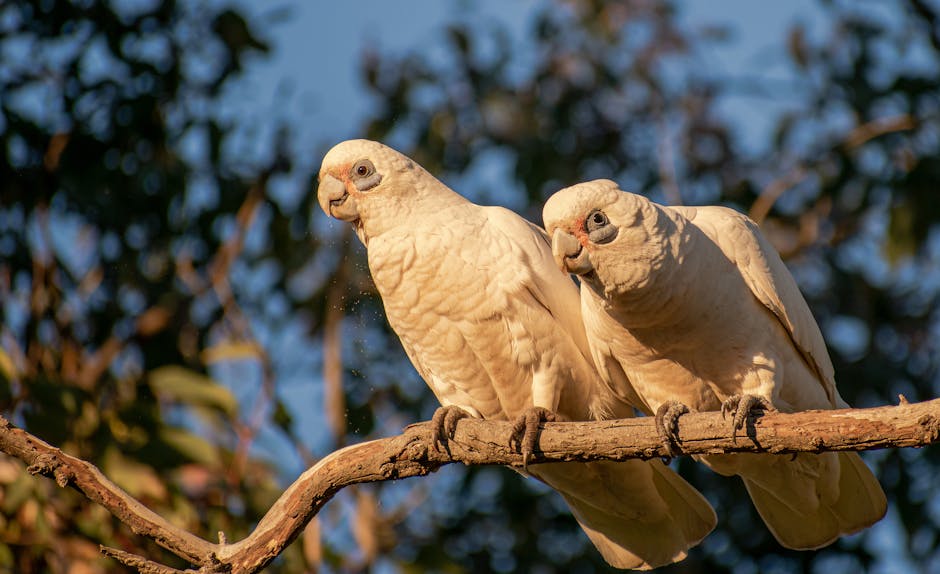
Renowned for their boundless energy and playful nature, Cockatoos are easily identifiable with their large crests and curved bills. These medium to large-sized birds are known to have a lifespan between 40-60 years if treated with the appropriate level of care.
Topping our list of affectionate parrots, the cockatoo can be as lovable as it gets. Notably, species such as the Goffin’s Cockatoo, Umbrella Cockatoo, and the Moluccan Cockatoo are famed for their affectionate behavior, making them a top choice for pet owners.
However, it’s crucial to consider that with their friendly personality comes a set of responsibilities. Owning a Cockatoo means dealing with their vocal noise, potential destructive behaviors, and susceptibility to health issues like obesity if not suitably managed.
Remember, building a strong affectionate bond with these parrots requires consistency. Regular play sessions, maintaining a healthy diet, and providing a stimulating environment are some best practices to keep your cockatoo happy and bonded.
African Grey Parrot: The Intelligent Lover
Recognized worldwide for their intelligence, the African Grey Parrots are characterized by their distinct slate-grey color, bright red tails, and robust vocabularies. Living up to 50 years, African Grey Parrots, especially of the Congo and Timneh species, exhibits a significant degree of affection towards their owners.
Comparatively, these parrots might not seem as affectionate as cockatoos. However, their unique way of showing love, often through mimicking their owner’s voice and actions, makes them a fascinating addition to the family.
Pro tip: Patience and attentive care attract the African Grey’s affection. They thrive on routines, so creating a structured, stimulating environment can go a long way in strengthening your relationship.
Conure: The Comical Companion
Enriched with vibrant colors, Conures are medium-sized parrots known for their lively and humorous personality. Notably, the Green Cheek and Sun Conures are among the species that exhibit deep attachment and affection towards humans.
In comparison, Conures might be more loud and demanding than other parrot species, but their knack for tricks and entertainment can easily light up a room.
Best practices with these birds include providing them with diverse toys and spending quality time that encourages their playful nature. These parrots are quick learners; hence incorporating training and puzzle games can build a more profound, affectionate bond with your Conure.
Lovebird: The Romantic Lover
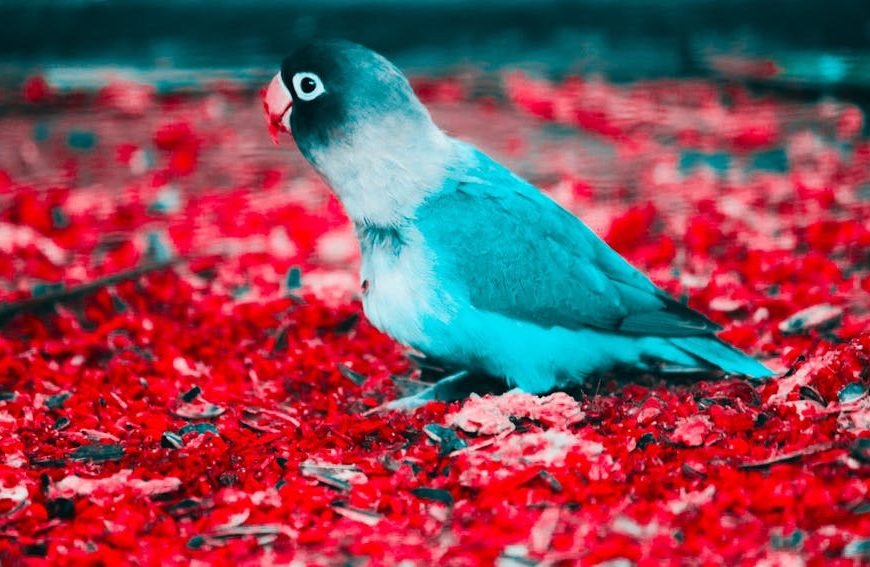
As their name suggests, Lovebirds are perfect representations of affection in the avian world. These small yet robust parrots are known for their vibrant plumage and long lifespan of up to 20 years. The Fischer’s and Peach-faced Lovebirds rank highly amongst the most affectionate species.
Even though Lovebirds are at their best in pairs, they can form strong bonds with human companions. However, their possessive nature may need careful management.
Engage with them consistently, ensure they get plenty of variety in their diet and sufficient time out of their cage. These actions collectively can ensure your Lovebird forms a loving bond with you.
Budgerigar: The Chirpy Charmer
Prized for their sociable nature, Budgerigars, famously known as budgies, are small parrots with a lifespan of up to 15 years. These little charmers indeed live up to their affectionate reputation!
Though smaller than typical parrots, Budgerigars can rival larger breeds with their capacity for affection. However, they can be rather loud and require significant interaction and mental stimulation.
Tips for bonding include engaging them in gentle play, respecting their rhythms, and introducing a fellow budgie to keep the social bird company. Remember, every small step taken in maintaining their wellbeing can result in substantial affectionate gestures.
Quaker Parrot: The Social Butterfly
Distinguished by their distinctive grey and green hue, Quaker Parrots (also known as Monk Parakeets) are birds that crave social interaction. These medium-sized parrots have a lifespan of around 20 to 30 years and are known for their ability to form close, loving bonds with their owners. Notably the Blue, Green, and Yellow Quaker parrots are famous for their affectionate nature.
In comparison to other birds, Quaker Parrots have a higher level of social energy but they are also known for their talkative nature which can be noisy. It’s essential to keep them entertained with a variety of puzzles and toys to avoid boredom.
Fostering love and affection in Quaker Parrots comes from constant interaction, providing them with a balanced diet, and ensuring they have a comfortable and spacious living environment.
Caique: The Playful Partner
Caiques are small yet robust parakeets characterized by their vibrant plumage and endless energy. Their love of play and approximately 30-year lifespan make them ‘toddlers of the parrot world.’ The Black-headed and White-bellied Caiques are considered among the most affectionate parrot species.
However, before adopting a caique, it’s crucial to consider their high energy levels and tendency for occasional biting. These birds require a spacious environment and ample opportunities for physical exercise.
A suggested routine for nurturing a loving bond with a Caique includes dedicating daily physical playtime, training them with positive reinforcement methods, and providing ample space for them to fly and explore.
Parrotlet: The Tiny Doting Doves
Don’t be fooled by their small-size; Parrotlets are packed with personality and a love for companionship. These miniature parrots, especially of the Pacific and Green-rumped species, make an affectionate companion for those keen on smaller birds.
Compared to larger parrot species, Parrotlets require less space but need more personal attention and mental stimulation for a happy, affectionate bond.
Essential guidelines for maintaining a loving bond with Parrotlets include interacting with them frequently, providing toys for stimulation, and offering a harness-trained adventuring opportunity to satisfy their curious nature.
Eclectus: The Vivacious Bird
Characterized by distinct sexual dimorphism (males are vivid green while females are bright red and purple), Eclectus parrots are known for their calm demeanor and affectionate companionship. They have a long lifespan of around 30 to 40 years.
However, take note that they require a diet high in fresh fruits and vegetables and have particular grooming needs compared to other parrots.
Nurturing an affectionate bond with Eclectus parrots includes providing them with a spacious environment, maintaining a balanced diet, and dedicating daily interaction periods.
Amazon Parrot: The Vocal Vibrants
Amazon parrots, known for their vocal skills and vibrant green plumage, make affectionate and entertaining companions for parrot enthusiasts. Some affectionate species include the Yellow-naped, Blue-fronted, and Double Yellow-headed Amazons.
In comparison with other parrots, Amazon parrots are quite vocal which can be noisy for those seeking quieter species. Their large size also requires a bigger cage and plenty of opportunities for exercise and mental stimulation.
Pro tip: Enhancing an affectionate bond with Amazon Parrots involves regular interaction, training sessions involving positive reinforcement, maintaining a balanced diet, grooming, and providing ample vocal stimulation. Remember, creating a nurturing environment enhances the potential for an affectionate relationship between you and your parrot.
Key Takeaway:
- This article provides information about ten types of affectionate parrots, such as the Cockatoo, African Grey Parrot, Conure, Lovebird, Budgerigar, Quaker Parrot, Caique, Parrotlet, Eclectus, and Amazon Parrot.
- It highlights each parrot species’ physical appearance, lifespan, behavior, characteristic features, and the recommended care practices to foster a loving bond.
- However, owning these birds comes with a certain level of responsibility and commitment, considering their varying noise levels, need for mental stimulation, specific diet requirements, spacious habitats and, in some cases, destructive behaviors.
Parrots can make wonderfully affectionate pets, providing a blend of companionship, entertainment, and emotional connection for owners. Understand your chosen pet’s needs, personality and make sure you can commit the time and resources to nurturing a loving relationship. A happy, cared-for parrot is a loving, affectionate parrot.
FAQs
Q: What should I consider before bringing an affectionate parrot into my home?
A: It’s crucial to consider factors such as the bird’s lifespan, energy level, noise levels, diet requirements, and potential health concerns. Make sure you have the time, space, patience, and budget to accommodate your feathered friend’s needs.
Q: How can I make my parrot more affectionate?
A: Consistent interaction, mental stimulation, a tailored diet, and a caring environment contribute significantly to fostering affection. Training sessions using positive reinforcement methods also build trust and affection with your parrot.
Q: Are parrots good for first-time bird owners?
A: It depends on the species. Some parrots, like Budgerigars and Lovebirds, are often recommended for beginners due to their smaller size and relatively simpler care requirements.
Q: Do all parrots mimic human speech?
A: Not all. Certain parrot species have an incredible ability to mimic human speech, like the African Grey Parrot and Amazon Parrot, while others are more focused on trills, chirps, and physical expressions of love.
Q: Are parrots a suitable pet for families with children?
A: Parrots can be great pets for families, provided the children are taught to respect the bird, handle it gently, and understand its needs. However, remember, each bird has its unique temperament and needs that should be respected.
If you found these insights useful, consider sharing this article with other pet enthusiasts, bird lovers, and potential parrot owners. For more on pet care, stay tuned to our site, where we regularly share expert insights on a wide range of pets.