
The Greater Scaup, a fascinating yet underappreciated species, is a sight to behold in the avian world. With distinctive features and unique behaviors that set them apart from their avian counterparts, these duck-like birds are an intriguing species for both experienced birders and aspiring naturalists. This guide will unveil vital information about the Greater Scaup’s distinctive physical characteristics, habitats, lifestyle, diet, and the existential challenges they encounter.
Unmasking the Greater Scaup: Physical Characteristics and Identification
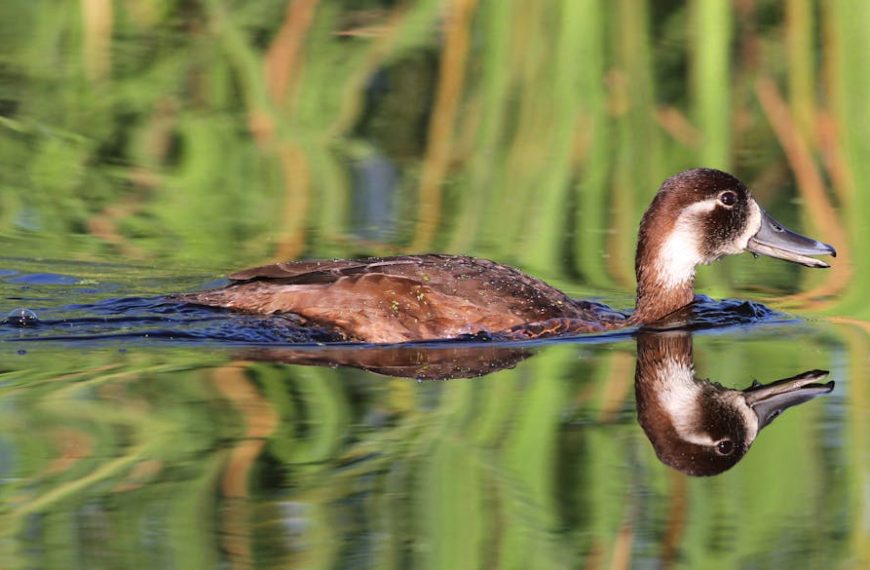
The Greater Scaup, identified scientifically as Aythya Marila, is noted for its distinctive physical features. With a sturdy frame, round head, and blue bill, adult male scaups or drakes are instantly recognizable. Their black chest contrasts vividly against a light grey body peppered with delicate black barring. Observers will also notice their bright pale eyes, a beautiful contrast to their dark heads. Female Greater Scaups, or hens, have a more subdued color palette with a primarily brown body, a steep forehead contrasting their male counterparts, and similar pale eyes.
Knowing these physical features helps in field identification:
- Size: 40-50 cm in length with 80-88 cm wingspan.
- Beak: Blue-grey with a black tip.
- Body: Drakes possess grey bodies with black chests and tails, while hens exhibit brown bodies.
Pro Tip: The best times to observe and identify Greater Scaups are early mornings and late afternoons, as they are most active during these hours. Look for them in areas with a water body, which is their preferred habitat.
Meet the Habitat: Where to Find the Greater Scaup
Greater Scaups inhabit a variety of water bodies, from freshwater ponds and lakes to coastal bays and marine waters. They notably prefer deeper waters than other diving ducks. Their migration patterns change their habitats, staying in the Arctic regions during breeding season and venturing to coastal marine areas during winters. North America, Europe, and Asia are common regions where Greater Scaups are sighted.
Sustainable bird-watching practices when visiting Greater Scaup habitats include:
- Avoiding their nesting areas during breeding season.
- Respecting their habitats and not leaving any litter behind.
- Observing from a safe distance without causing any disturbance.
- Not feeding the birds, as it disrupts their natural feeding habits.
Greater Scaup Lifestyle: An Insight Into Their Behaviour and Lifestyle
Diving skillfully for food and swimming prominently on water surfaces are aspects of the Greater Scaup’s engaging daily routine. They showcase territorial behaviors during breeding season, when males actively guard their mates from potential rivals. Their social behavior is quite unique, with “rafts” of hundreds or even thousands congregating during non-breeding season. Their ability to adapt to both freshwater and saline environments is also an essential element of their survival strategy. Compared to their closest kin, the Lesser Scaup, the Greater Scaup’s preference for marine habitats during winters is a distinctive feature.
When comparing survival strategies among similar species:
- Greater Scaups demonstrate higher adaptability to salinity changes compared to other diving ducks.
- Physical stature and hardy characteristics assist in their survival in harsh climates.
- They have adept and versatile foraging skills when compared to other ducks.
Greater Scaup Diet: What’s on Their Menu?
Greater Scaups have a diverse diet, but the primary food of their choice includes aquatic plants, insects, mollusks, and small fish. Their propensity for diving allows them to access substantial resources underwater. Interestingly, the choice of their diet changes with their habitats and seasons, opting for plants during breeding time and turning to mollusks and aquatic insects during winters.
A checklist of foods you might see Greater Scaups consuming in the wild:
- Aquatic plants: These could include Potamogeton, Vallisneria, Zostera marina.
- Aquatic insects: Such as water beetles and dragonfly larvae.
- Mollusks: Like clams and mussels, primarily during winter months.
- Small fish: Fish are usually a lesser part of their diet but are consumed occasionally.
Pro Tip: Observing feeding behavior can offer deeper insights into their diet and also serve as an identification aid. Watch for their diving patterns and times, and the locations they prefer for feeding.
Conservation Status: The Fight for the Greater Scaup’s Survival
The Greater Scaup currently falls under the ‘Least Concern’ category per IUCN’s Red List of Threatened Species, indicating a relatively stable status. However, their populations have been observed to decline over the years, primarily due to loss of habitat, pollution, and lead poisoning.
Numerous local and international organizations are dedicated to conserving the Greater Scaup, including BirdLife International and Ducks Unlimited. These organizations execute specific conservation programs, protect Greater Scaup habitats, and conduct research to further our understanding of this species.
The general public can contribute towards the conservation efforts by:
- Participating in local clean-up drives to maintain the cleanliness of their habitats.
- Reporting sightings to bird observatory bodies, contributing towards population tracking.
- Supporting non-profit organizations engaged in Greater Scaup conservation via donations or volunteering.
Let’s marvel at these iconic birds and actively partake in efforts ensuring their survival and proliferation. Remember, each one of us can contribute to the preservation of the wonderful and diverse avian life on our planet.
Key Takeaway:
- The Greater Scaup is a distinctive bird species known for its striking physical characteristics and adaptable lifestyle.
- Habitats vary from freshwater bodies to coastal marine areas, largely driven by seasonal migration patterns.
- Greater Scaup’s diet predominantly consists of aquatic plants, insects, mollusks, and small fish. Their diet preferences change with their habitats and seasons.
- Despite being classified under ‘Least Concern’ by IUCN’s Red List, the Greater Scaup’s populations have been declining due to habitat loss and pollution.
- Conservation efforts are ongoing, involving both global organizations such as BirdLife International and local communities.
The magnificence of the Greater Scaup lies not just in its visual appeal but also its survival adaptability. As we dive deeper into their world, let us be mindful of our role in their conservation. Understanding and respecting their environment is the first step towards ensuring their survival. So, let us strive to be conscientious observers, appreciating and preserving the natural splendor of these remarkable creatures.
FAQs
Q: What differentiates Greater Scaups from Lesser Scaups?
A: While both species share several similar traits, Greater Scaups are slightly larger with rounder heads and prefer marine habitats during winters, unlike Lesser Scaups which often inhabit fresh waters.
Q: How to differentiate between male and female Greater Scaups?
A: Male Greater Scaups, or drakes, have a black chest, lighter grey body and pale blue eyes. The females, or hens, primarily have a brown body with similar pale eyes.
Q: Is there a specific season when we can observe Greater Scaups?
A: Greater Scaups can be spotted throughout the year, but their habitats vary depending on their migratory patterns and breeding season.
Q: Which organizations are involved in Greater Scaup conservation?
A: Several organizations including BirdLife International and Ducks Unlimited are involved in the conservation efforts for Greater Scaups.
Q: How can I contribute to Greater Scaup conservation?
A: You can contribute by participating in local clean-up drives, reporting any sightings to bird observatory bodies, and supporting conservation organizations via donations or volunteering.
We invite you to explore more fascinating articles about diverse bird species on our website and share this post with other nature and birding enthusiasts!