Ostriches are the world’s largest birds and have some unique characteristics that are not found in any other bird species. They are truly fascinating birds and have many surprising attributes. In this article, we will delve into the exceptional world of ostriches and examine some of the fascinating facts about these distinctive birds – from their unusual physical attributes, noteworthy nesting and parenting behaviors, to their diet, interaction with humans, and some prevalent myths.
The Unique Attributes of Ostriches
Ostriches are unique in many ways, especially concerning their physical attributes. They are the largest birds on earth and can weigh up to 156 kg. They stand tall, at an average height of 6 to 9 feet, making them noticeably taller than any of their avian counterparts.
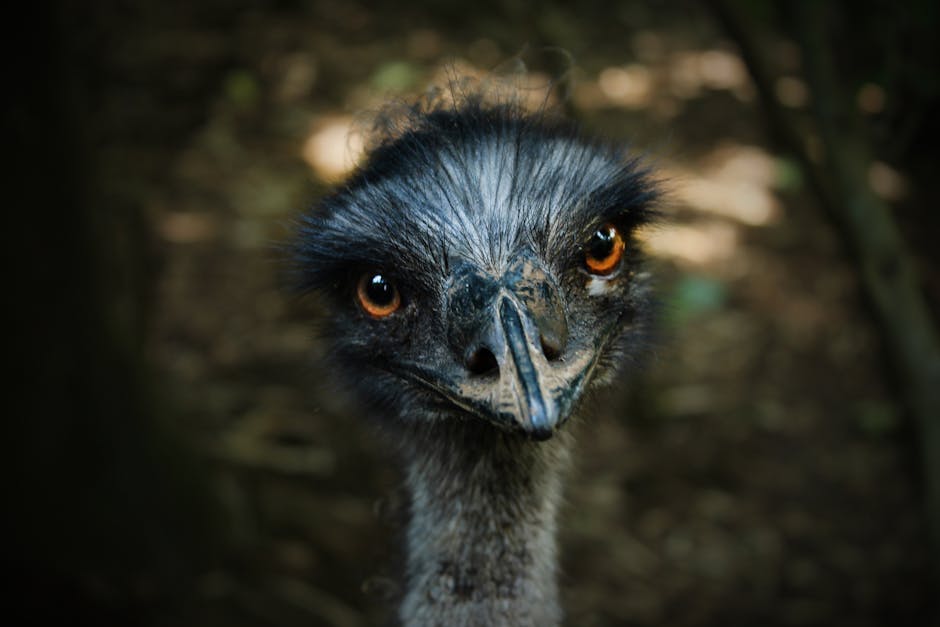
Their size and power aren’t their only boast – these birds are also unprecedentedly fast. With muscular legs that can sprint up to 60 mph, they possess the title for fastest-running bird on the planet. Now, here’s a fun anatomical fact – the eyes of an ostrich are 5cm wide, which is actually larger than its brain!
Pro-tip: These traits aren’t just nature showing off – they all aid their survival. Their size makes them formidable, their speed makes them elusive, and their large eyes provide excellent vision—a critical tool for spotting predators in their open grassland habitats.
The Ostrich’s Notable Nesting and Parenting Behaviors
Parenting might be considered a challenging job for humans, but for ostriches, it’s a work of cooperation and strategy. Both sexes take turns to build their nests using the simple technique of digging holes in the sand.
What’s interesting is that ostiches have a unique parenting style wherein both parents share the responsibility of incubating the eggs—the female by day, camouflaging the nest with her drab colored body, and the male by night, blending into the darkness.
Best Practices: The practice of sharing incubation duties increases the chances of survival for ostrich offspring, presenting an excellent example of team parenting in the bird kingdom.
Checklist: When observing ostrich parenting behavior, be sure to note how often they rotate nest duties and keep an eye out for the dark colored males taking over at night. As the sun goes down, you may observe a shift switch!
This first exploration into the fascinating world of ostriches has shed light on some of their key physical attributes and unique parenting practices. In the next part, we will explore their dietary habits, interactions with humans, and debunk some common ostrich myths. For now, grab your binoculars, settle in, and see if you can spot any of these ostrich attributes and behaviors for yourself.
Ostrich Diet: What Do These Largest Birds Eat?
When it comes to their diet, ostriches are undoubtedly unique. They are omnivorous by nature but lean more towards the herbivorous side. They primarily feed on plant matter; leaves, seeds, grass, and fruit are frequent items on their menu. However, insects and small invertebrates can occasionally become their meal of choice when food is scarce. Flexibility is a keyword for ostriches and their dietary habits!
What’s more, ostriches can survive for days without water—thanks to the plants they eat that sustain them with enough liquid during dry seasons. This capability helps in their survival within harsh desert climates.
| Ostrich | Other large birds (e.g., Pelican, Emu) | |
|---|---|---|
| Diet | Omnivorous, Plant-based focused | Omnivorous, Fish/meat focused | Survival without Water | Days | Hours |
Pros: Their mixed diet allows them great adaptability in their often arid habitats, and their ability to go without water for days provides them an added advantage in terms of survival.
Cons: On the downside, their reliance on a plant-based diet may leave them vulnerable during extended periods of drought or vegetation scarcity.
Ostriches and Their Interaction With Humans
Ostriches have had a long history of interactions with humans. Years back, their feathers were used for fashion purposes like making hats or feather dusters, and ostrich racing was popularized, symbolizing these birds as a mode of transport. In the present day, they are often farmed for their meat, which is considered a healthier alternative to other kinds of red meat.
Pro-tip: When interacting with ostriches, always remember that they are powerful birds and can be dangerous if they feel threatened. Approach with caution, and avoid making sudden movements that may startle them.
| Ancient Cultures | Modern Societies | |
|---|---|---|
| Use of Ostriches | Feathers for decoration, Ostrich racing | Farming for meat, zoo attractions |
Debunking Ostrich Myths: Facts vs Fiction
Now, let’s set the record straight on some popular ostrich myths. Probably the most famous one is the belief that ostriches bury their heads in the sand when they’re scared.
Truth is, ostriches do not bury their heads in the sand. This myth likely arose from the bird’s defensive behavior of lying low and pressing their necks to the ground when threatened, thus appearing to have their heads buried from a distance.
Common Ostrich Myths:
- Ostriches bury their heads in the sand
- Ostriches cannot fly because they’re scared of heights
Facts:
- Ostriches press their necks to the ground when scared
- Ostriches cannot fly because of their massive size and weight
Best Practices: Always verify information from reliable sources before accepting it as fact. This process allows us to break down inaccurate stereotypes and gain real insights about these amazing birds.
Phew! The world of ostriches is undeniably fascinating. The next time you encounter one of these birds, I bet you’ll be seeing them in a completely different light. Whether it’s appreciating their unique survival techniques, considering their dietary habits, respecting their interaction with humans, or debunking common misconceptions, there’s a wealth of knowledge to discover about these unique, awesome birds!
Key Takeaway:
- Ostriches are remarkable for their unique physical characteristics such as their large size, fast speed, and eyes that are larger than their brains.
- They exhibit an unusual approach to parenting where both parents participate in nest-building and egg care.
- As omnivorous animals, these birds primarily rely on plant matter for their diet, and have an extraordinary ability to survive without water for several days.
- Ostriches have been utilized by humans for various purposes from transportation to harvesting their meat.
- Prevalent myths about ostriches, such as burying their heads in the sand while scared, are mere misconceptions.
These larger-than-life birds truly deserve our admiration. They’ve adapted in extraordinary ways to survive and thrive in their natural environment. So next time you’re out bird-watching, have an extra dose of appreciation for the ostrich, the king of avian uniqueness.
FAQs
Q: How can I tell a male and a female ostrich apart?
A: Male and female ostriches can be distinguished by their color. Males typically have black feathers with white wing tips and tails, while females have gray-brown feathers.
Q: Are ostriches harmful to humans?
A: Ostriches are usually not harmful unless they feel threatened. They can deliver powerful kicks that can be dangerous, so it’s best to approach them cautiously and respectfully.
Q: What is the average lifespan of ostriches?
A: In the wild, ostriches can live up to 40-45 years, but in captivity where they’re well looked after, they’re known to live up to 50-60 years.
Q: How many eggs does a female ostrich typically lay?
A: A female ostrich can lay up to 40-60 eggs annually, with each egg weighing about 3 pounds, which is 24 times the size of a chicken’s egg.
Q: Do ostriches make any sounds?
A: Ostriches do communicate through various sounds, such as hissing, booming, or trumpeting calls. These can be mating signals, warnings, or fussing sounds when they are unhappy.
We hope you enjoyed discovering these fascinating facts about ostriches! Please feel free to share this insightful article with your friends and family. Explore more interesting topics on our website and deepen your knowledge every day.