In the diverse avian world, Alabama proudly boasts an exquisite creature as its state bird – the Northern Flicker, also known as the Yellowhammer. This unique bird, renowned for its vibrant yellow underwings and distinctive flight patterns, captivates the wildlife enthusiasts and proud residents of Alabama alike.
An Overview of the Northern Flicker (Yellowhammer)
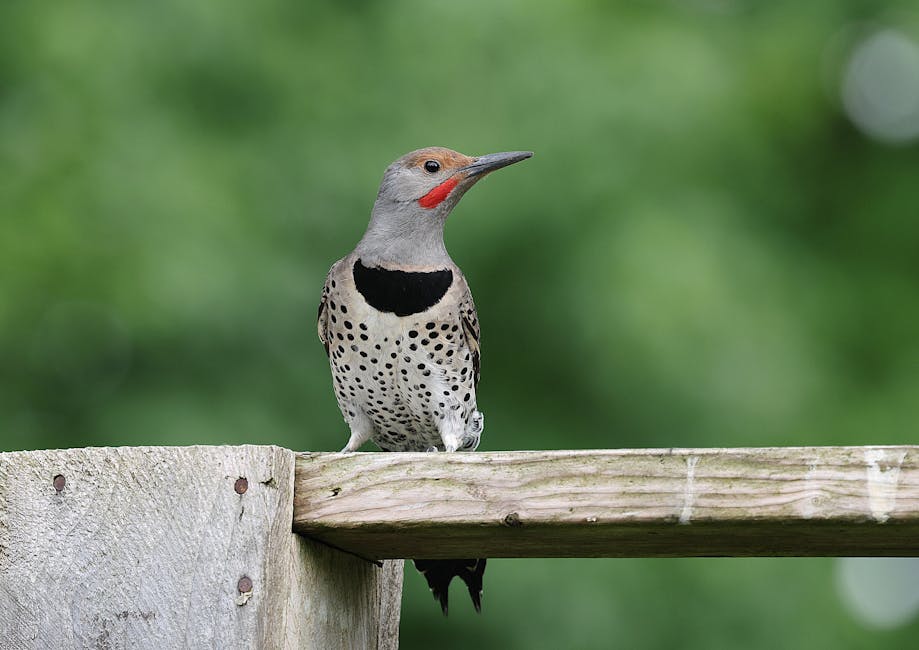
Sporting a fusion of brown and grey, the Northern Flicker is a medium-sized woodpecker. It flaunts stark spotting on its chest and a black crescent-shape on its chest. Unique to this species are its yellow underwings and undertail feathers, which inspire its colloquial name, Yellowhammer. Scientifically, this bird is classified as Colaptes auratus within the Picidae family.
Its distribution spans across North America, Central America, Cuba, Cayman Islands, extending to the edges of Alaska. The bird’s habitat preferences are widespread, including forests, woodlands, suburban areas, parks, and farmlands.
Pro-Tip: The Northern Flicker is recognized by its large size, pointed beak, long tail, and telltale yellow tinge under its wings and tail when in flight.
The Northern Flicker’s Role as Alabama’s State Bird
The Northern Flicker (Yellowhammer) was officially adopted as Alabama’s state bird in 1927. Its symbolic resonance is rooted in the Civil War period. Alabama soldiers were referred to as Yellowhammers due to their yellow-trimmed uniforms, reminiscent of the bird’s vibrant coloring. Thus, this bird stands as a symbol of Alabama’s history and solidarity.
Pro-Tip: Fascinatingly, Alabama is distinctively known as the Yellowhammer state.
Local folklore further intertwines the Northern Flicker with the state’s cultural fabric. Tales of these birds bring luck and prosperity to their homes still echo in the local communities.
Behaviors and Traits of the Northern Flicker
Northern Flickers are ground foragers with a fondness for ants, beetles, and other insects. They occasionally consume fruits, berries, and seeds. Unlike their woodpecker relatives, who peck vertical trunks, they prefer foraging on the ground, a comical and endearing sight for birdwatchers.
Checklist: Watch for the Northern Flicker’s unique feeding style – a ground-pecking bird with a woodpecker’s body shape is likely a Flicker!
In terms of breeding, these birds are monogamous with both sexes involved in nest construction, typically choosing a tree cavity. The female lays about 5-8 eggs, and both partners share the responsibility of raising the offspring.
Concluding this segment, the Northern Flicker (Yellowhammer) is an intriguingly beautiful bird, notable not only for its vibrant hues but also for its distinctive behaviors. Its relevant role in Alabama’s history enhances its charm and fascination.
Conservation Status and Efforts Related to the Northern Flicker (Yellowhammer)
Currently, the Northern Flicker (Yellowhammer) is listed as ‘Least Concern’ on the IUCN Red List, indicating a stable population. However, challenges like habitat loss, climate change, and pollution pose potential threats to this beautiful bird. Mitigation of these threats constitutes ongoing conservation efforts.
Best Practices: Plant native trees, build birdhouses suitable for Flickers, and avoid using pesticides that could harm their prey – every small action counts!
In Alabama, conservation programs like the Alabama Wildlife and Freshwater Fisheries Division work towards protecting and enhancing bird species and their habitats, including those of the Northern Flicker.
Observing the Northern Flicker (Yellowhammer) in Alabama
Alabama’s diverse natural landscapes provide ample opportunities to spot the Northern Flicker. Prime birdwatching locations include Monte Sano State Park, Wheeler National Wildlife Refuge, and Cheaha State Park, especially during spring and fall migrations.
Remember to be respectful while birdwatching – maintain a safe distance, avoid disturbing the birds, and keep the environment clean.
Comparison:
| Locations | Pros | Cons |
|---|---|---|
| Monte Sano State Park | Easy access, diverse bird species | Can be crowded during peak times |
| Wheeler National Wildlife Refuge | Opportunity to see many migratory birds | Sometimes less easy terrain for beginners |
| Cheaha State Park | Beautiful lofty views, different ecosystems | Require a bit of hiking to reach viewing spots |
Additional resources for birdwatchers include the Alabama Ornithological Society, local birdwatching clubs, and field guides dedicated to North American birds.
With this comprehensive guide, embark on a fascinating journey of discovering and appreciating Alabama’s state bird, the Northern Flicker (Yellowhammer), and contribute proactively to its conservation. Enjoy your birdwatching adventure in the beautiful landscapes of Alabama, and remember to share the knowledge and love for these amazing creatures.
Key Takeaway:
- The Northern Flicker (Yellowhammer) is a medium-sized woodpecker recognized for its vibrant yellow underwings and undertail feathers.
- It was officially adopted as Alabama’s state bird in 1927 and symbolizes the state’s history and solidarity.
- This species has a unique feeding style in which they forage on the ground.
- Although its population is currently stable, potential threats like habitat loss, climate change, and pollution necessitate ongoing conservation efforts.
- Prime locations in Alabama for birdwatching include Monte Sano State Park, Wheeler National Wildlife Refuge, and Cheaha State Park.
Whether you’re an avid birdwatcher or someone with a budding interest in avian species, the Northern Flicker (Yellowhammer) is sure to fascinate you. Remember, your actions can contribute to the conservation of this spectacular bird. So, be respectful in the wild and take part in conserving their habitat when possible!
FAQs
Q: What other names is the Northern Flicker known by?
A: Apart from Yellowhammer, the Northern Flicker is also occasionally referred to as the ‘common flicker’.
Q: Are Northern Flickers unique to Alabama?
A: No, the Northern Flicker is found in various regions, such as North America, Central America, Cuba, Cayman Islands, and even up to the edges of Alaska.
Q: What is the lifespan of a Northern Flicker?
A: The lifespan of a Northern Flicker can vary, but on average, they can live up to 5 to 6 years.
Q: How can I attract Northern Flickers to my backyard?
A: Planting native trees and building birdhouses suitable for Flickers can attract them. Also, maintaining a pesticide-free garden will ensure a plentiful supply of their preferred food – insects.
Q: Why do Northern Flickers often peck at the ground?
A: Unlike other woodpeckers that peck tree trunks, Northern Flickers often feed on ants and beetles, which they find on ground level.
Enjoy this article? Feel free to share it and discover more interesting posts on our website!