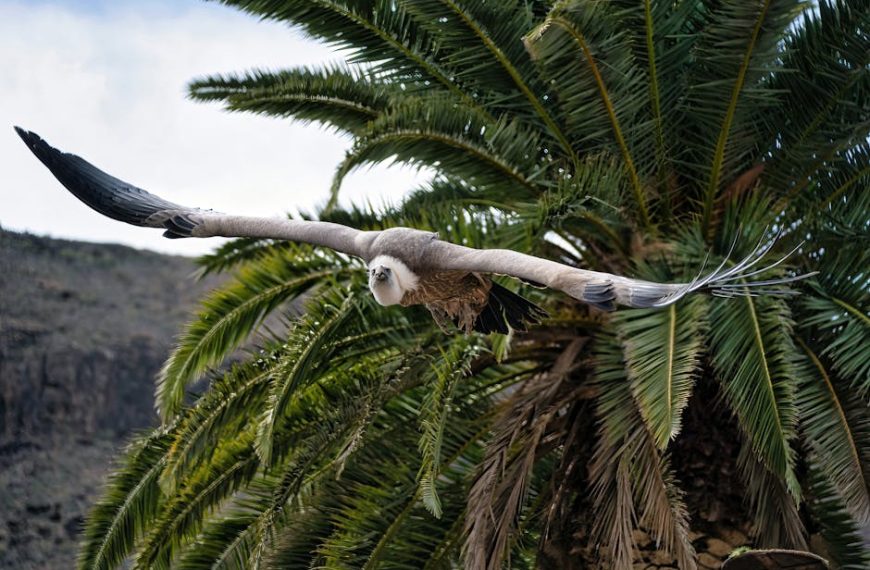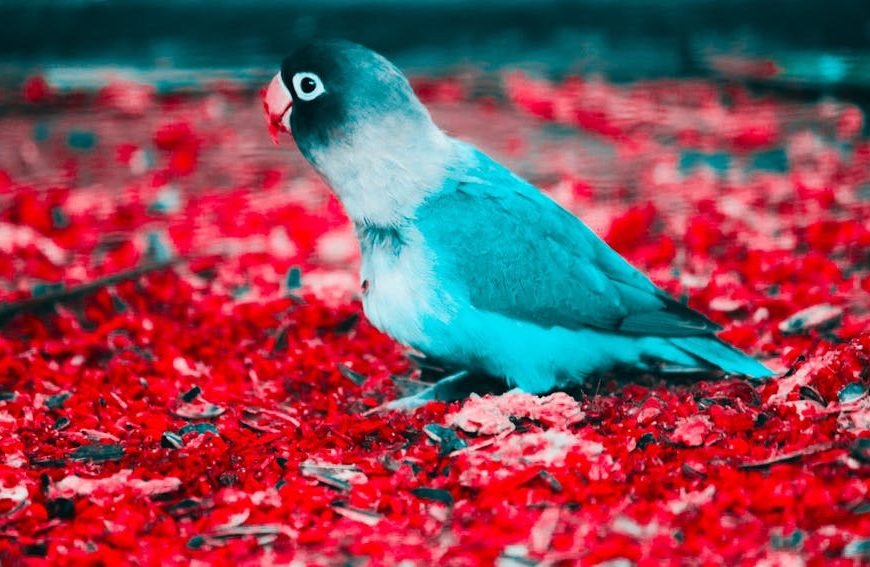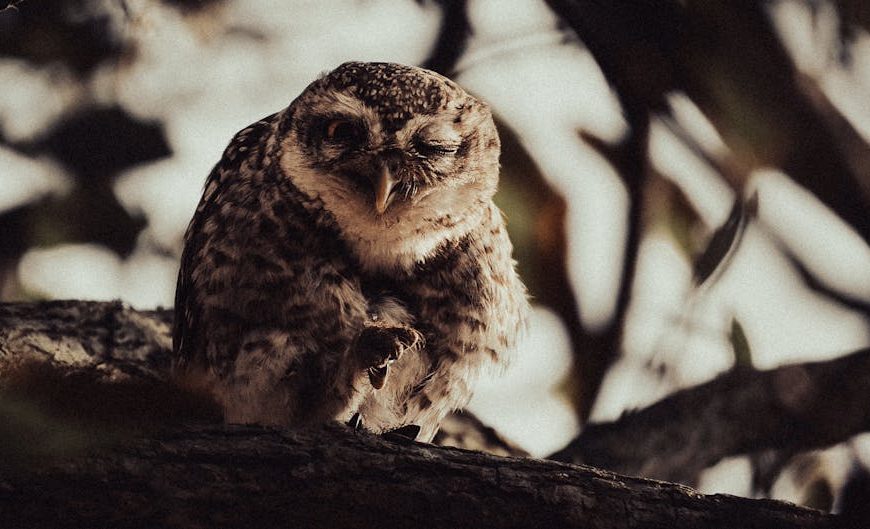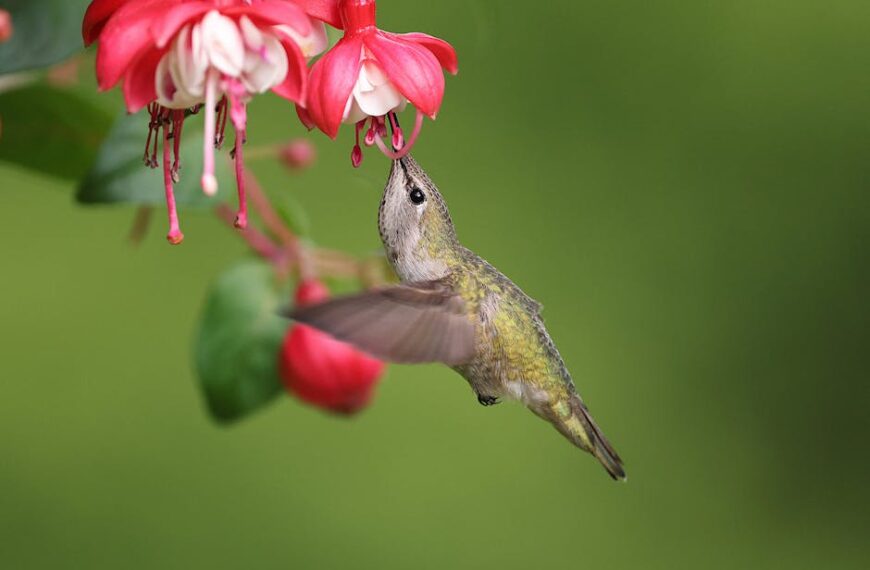
For humans, understanding bird tails provides crucial information that aids in bird identification and offers insights about their behaviors or health status, making it a significant focus in bird-watching or avian research. Moreover, the structure of bird tails also contributes to an understanding of bird evolution and their adaptations.
Through this article, the complexity and multifaceted role of bird tails have been brought to the forefront, highlighting their nature’s marvelous creations. By incorporating the observation of bird tails in our bird-watching or research activities, we can enrich our understanding of these winged creatures and appreciate the complexities involved even in their seemingly simple components like tails.
Invitation for Engagement
- Encouraging readers to share their insights or experiences related to bird tails.
- Inviting questions or comments for further discussion.
- Share your wisdom: Bulletin board for readers to share their bird-watching experiences or observations about bird tails.
- Comment section: Space for readers to ask questions, share views or discuss further about bird tails.
Whether you are a bird-enthusiast, an ornithologist, or someone with a simple curiosity about birds, no doubt you would have intriguing stories or observations about bird tails to share. Perhaps you’ve noticed something unique during your bird-watching sessions, or you have questions about a specific behavior you’ve noticed in birds related to their tails? We would love to hear from you. Share your insights, experiences or curiosity in the comment section. It’s always beautiful how sharing our observations and knowledge helps in collectively enriching our understanding about these fascinating creatures.
The Anatomy of Bird Tails
If you’ve ever observed a bird closely, you’ve probably noticed its tail – a unique body part comprising of intricately arranged feathers. The feathers within bird tails can be broadly divided into two types – the main tail feathers or rectrices, and cover feathers or coverts.
- Rectrices: These are the primary feathers that form the bulk of the tail. They are long, strong, and provide the main source of lift during flight.
- Coverts: These smaller feathers overlay the rectrices and add a layer of strength and protection.
The structure of a bird’s tail directly impacts their aerial abilities. It works like a rudder and stabilizer during flight, helping to steer direction and maintain balance.
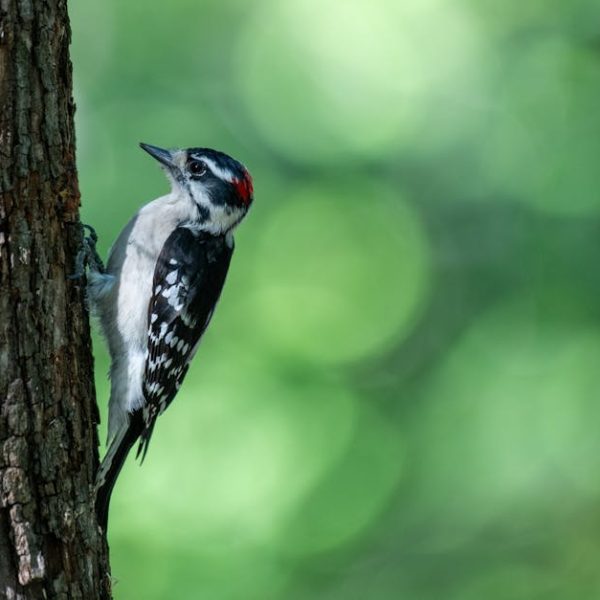
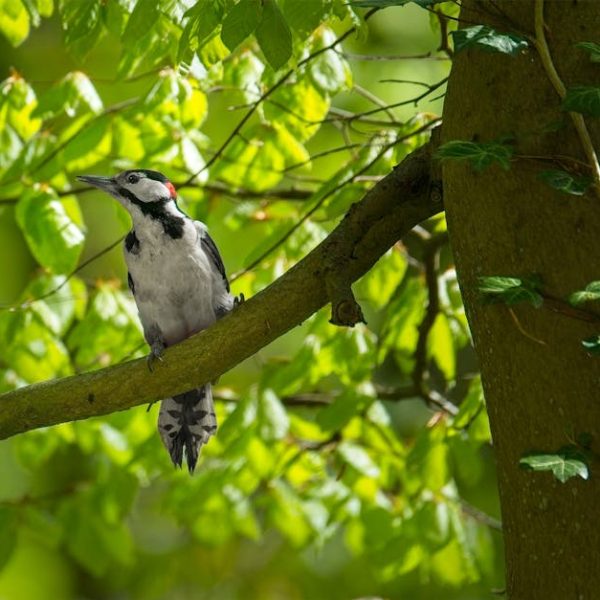
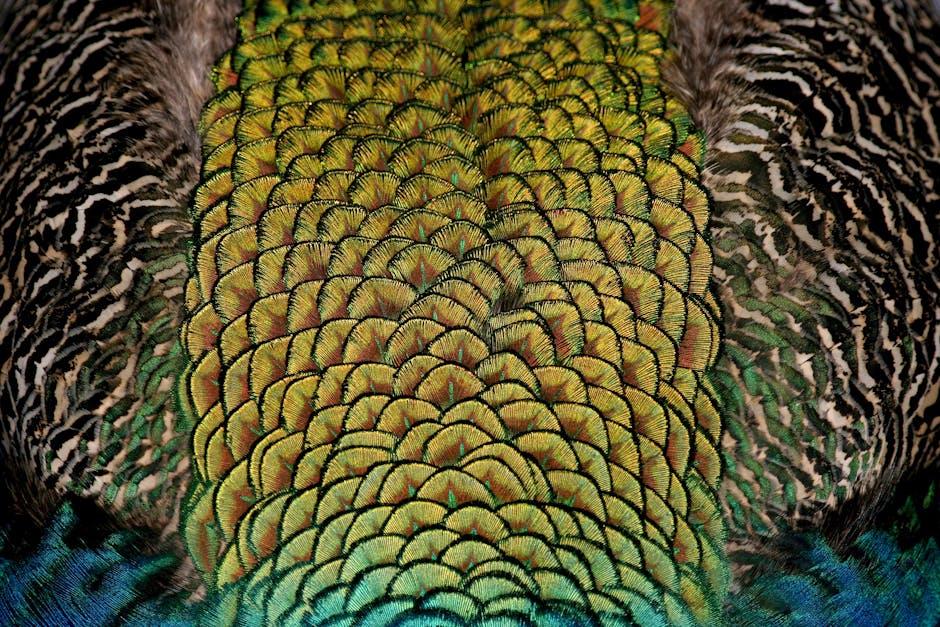
Interestingly, the physical structure and appearance of bird tails vary across species. Differences occur in length, color, shape, and the number of feathers. For instance, a peacock’s tail is long and extravagant, whereas a sparrow’s tail is short and simplistic.
- Bullet Points:
– Bird tails are made up of rectrices and coverts.
– The structure of the tail assists in steering and balance during flight.
– Bird tails differ across species in aspects such as length, color, and feather count.
- Pro tip : Observing the structure of a bird’s tail can give you insights about its flight abilities and species type.
Functions of Bird Tails
Bird tails, despite appearing simple, serve varied purposes.
- Steering Flights: Acting like a rudder, tails help birds to change direction during flights, alter their speed, or maintain stability.
- Emotional Expression: Birds often use their tails to express a range of emotions. For instance, a wagging tail can signify excitement or aggression.
- Mating Rituals: For many species, the bird tail plays an instrumental role during courtship. Male birds often fan out their tails to attract females.
- Luring prey or distracting predators: In some species, the tail’s bright colors or movements are used for luring prey or distracting predators.
- Checklist:
– Flight Steering
– Emotional Expression
– Mating Rituals
– Luring Prey or Distracting Predators
- Best practices ️: Look out for tail movements or color changes in birds to understand their emotional state or to identify if they are ready to mate.
Bird Tails and Mating
Bird tails play a massive role in bird mating rituals. Extravagant displays of tails by male birds are known to attract female birds. This phenomenon, where males have brighter colors or larger tails, is called sexual dimorphism.
- Long and colorful tails symbolize good health and stamina, thereby indicating to the females that the offspring will inherit good genes.
- Some bird species like peacocks, lyrebirds, etc., display their fancy tails as part of their mating rituals.
- Comparison:
| Species | Tail Characteristics | Role in Mating Rituals |
|---|---|---|
| ——– | ———————- | ———————– |
| Peacock | Long and Colorful | Displayed in a fan-like shape to attract females |
| Sparrow | Short and Brown | Not prominently displayed; other factors play an important role |
- Infographic: Look out for details such as tail length, feather count, color, and behavior during display to understand their role in mating rituals.
Universality of Bird Tails
Despite the variation in bird tails across species, their key functions largely remain universal.
- Flight facilitation: Tails act as a rudder, allowing birds to steer their flight.
- Balance maintenance: It provides stability during perching or flight.
- Signaling: Tails express emotions, attract mates, or send predator warnings.
- Pros and Cons:
Pros – helps in flight, communication, mating, etc.
Cons – A damaged tail can impact flight, attractiveness, and thus, survival.
- Best Practices : While observing bird tails, look out for the universality of their functions, regardless of their physical attributes.
The Role of Bird Tails in Human Understanding of Birds
Bird tails act as a window to understanding various behaviors and characteristics of birds.
- Bird Identification: The structure and color of bird tails can help identify the species.
- Behavioral Insights: Observing bird tails can provide clues about their emotional state.
- Health Status: Unhealthy or damaged tails could indicate a health issue.
- Understanding Evolution: Studying bird tails can give insights into evolutionary processes and adaptations.
- Checklist:
– Bird Identification
– Emotional State
– Health Status
– Evolution Understanding
- Pro Tip : Make bird tail observations a crucial part of your bird-watching or research session for deeper insights into the avian world.
Key Takeaway:
- Bird tails are composed of feathers with different types performing distinct roles in flight and balance.
- They serve various purposes like steering flight, expressing emotions, attracting mates, and even luring prey or distracting predators.
- Bird tails significantly contribute to mating rituals with long, colorful tails signaling health and stamina.
- Regardless of variations in appearance across species, bird tails serve similar key functions like flight navigation, balance maintenance, and signaling.
- Observing bird tails enhances understanding of bird behavior, health status, identification, and gives insights into evolution.
In the beautifully complex world of birds, tails play an exceedingly important role — not just as an aid in navigation but also as key communicators of emotion and health. Thus, as bird enthusiasts or researchers, considering the tail as just another part of a bird’s anatomy would be simplistic. The more we observe, the more we will understand the depth and variety of roles a bird’s tail performs. Let’s make this understanding a joyful learning experience.
FAQs
Q: Can a bird fly with a damaged tail?
A: While it may vary among species, generally, a bird with a damaged tail can face difficulties in maintaining balance and might find it hard to steer directions during flight.
Q: How does a bird regenerate its tail feathers?
A: Birds can regenerate their tail feathers during a process called molting usually at particular times of the year.
Q: Do the tails of male and female birds look different?
A: In many species, male birds tend to have more colorful and longer tails than females, a phenomena known as sexual dimorphism.
Q: What can the color of a bird’s tail tell us?
A: The color of a bird’s tail may help identify the species and can also play a key role in mating rituals with brighter colors or displays often attracting mates.
Q: Apart from flying, how else do birds use their tails?
A: Beyond aiding in flight, bird tails are used for balance, communication, mate attraction, and even as a strategy to distract predators.
By sharing this article and exploring more posts, you can better appreciate the intricacies and marvels of the avian world.