Hawk-watching is a rewarding endeavor, offering a thrilling glimpse into the aerial acrobatics and fascinating behavior of these magnificent raptors. Among the myriad of species, the illustrious Cooper’s Hawk and the iconic Red-Tailed Hawk often captivate birdwatchers. This guide aims to enhance your birdwatching skills, focusing on these two fascinating species, providing valuable knowledge, practical tips, and necessary tools for successful hawk spotting.
Understanding the Characteristics of Cooper’s Hawks and Red-Tailed Hawks
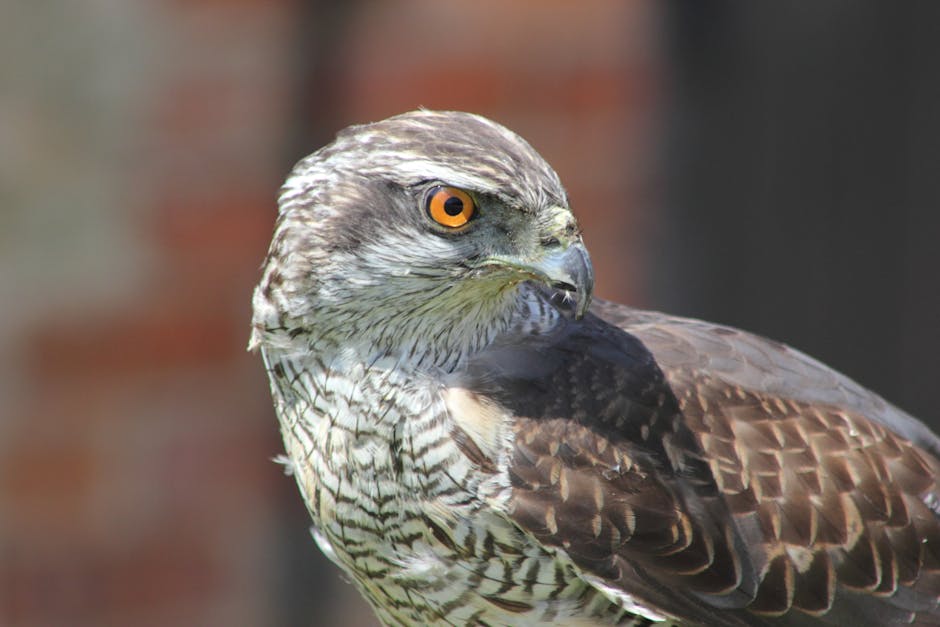
Cooper’s Hawks and Red-tailed Hawks are two of the most distinctive and perhaps, most celebrated species in the birding world. Cooper’s Hawks, Accipiter cooperi, boast short, round wings and a long tail, while the Buteo jamaicensis or Red-Tailed Hawks are larger and have a broad, rounded tail. These raptors can be identified by their color patterns as well — Cooper’s Hawks exhibit a blue-gray back with a reddish barred chest, while Red-Tailed Hawks flaunt a rich, russet-red tail. An interesting contrast in their behaviors has been noted in their hunting styles. The agile Cooper’s Hawk is an ambush predator, darting through dense foliage, while the Red-Tailed Hawk generally soars high in the sky, diving swiftly to seize their prey.
Best Time and Location to Spot these Hawks
Timing is a critical aspect of hawk-spotting. Both species of Hawks have unique periods of high activity. Red-Tailed Hawks are year-round residents in most U.S states and are most visible during the late summer and early fall. Cooper’s Hawks, however, are more elusive and best spotted during their migratory flights in September and October. The birds habituate differing environments with Cooper’s Hawks primarily residing in deep woods while Red-Tailed Hawks prefer open areas and edges of woodlands.
Equipment Needed for Hawk Birdwatching
Aspiring hawk-watchers need quality equipment to enrich their birdwatching experience. Essential tools include binoculars for portability and convenience, and spotting scopes for greater magnification and higher image quality. A comprehensive bird guide detailing different hawk species can also be a valuable reference tool in your birdwatching journeys.
In the vast field of birdwatching equipment, one constant debate among enthusiasts centers on binoculars versus spotting scopes. Spotting scopes may offer remarkable image clarity and magnification, but binoculars are often favored for their lightweight, compact design, and a wider field of view. Consider these factors when choosing your birding device, tailoring your selection to suit your requirements and preferences.
The next sections will delve deeper into identification techniques, conservation status, and ways to contribute to the preservation of these magnificent avian species. Your future hawk-watchings ventures will surely be enriched, armed with a better understanding of these raptors, their eco-significance, and how to differentiate and locate them in their natural habitats.
How to Identify Cooper’s Hawks and Red-Tailed Hawks
Correctly identifying these species requires following a series of steps.
- Begin with the bird’s size and shape: Cooper’s Hawks are medium-sized raptors with long tails and short, rounded wings, while Red-Tailed Hawks are larger with broader, rounded tails.
- Examine the color patterns. Cooper’s Hawks typically have a bluish-gray back and a reddish-barred breast. In contrast, Red-Tailed Hawks usually possess bolder colors, with a rich rufous-red tail.
- Analyze the bird’s flight pattern. The Cooper’s Hawk’s flight is swift and agile, characterized by quick, expressive wingbeats, while the Red-Tail’s flight is more straightforward and soaring.
Likewise, learning their unique calls can also assist in identification. Cooper’s Hawks emit a loud, repetitive cak-cak-cak call, while Red-Tailed Hawks have a distinct descending, raspy scream that is often used in movies to represent any raptor.
Pro Tip: Pay attention to the tail! The tail shape and color can be the easiest way to distinguish between a Cooper’s Hawk and a Red-Tailed Hawk. Cooper’s Hawks have longer, rounded tails with thick black bands, while Red-Tailed Hawks have wide, short tails that are bright red on the top.
Conservation Status of Cooper’s Hawks and Red-Tailed Hawks
Cooper’s Hawks and Red-Tailed Hawks are both protected under the Migratory Bird Treaty Act, which makes it illegal to harm, take, or possess migratory birds, their eggs, or their nests.
However, despite this protection, both species face different challenges. Cooper’s Hawks are listed as “Least Concern” by the IUCN Red List, but their numbers declined drastically in the mid-20th century due to hunting and pesticide use. They have since rebounded, thanks to conservation efforts.
Red-Tailed Hawks, prevalent throughout North America, are also classified as “Least Concern.” However, they are still threatened by habitat loss and collisions with vehicles and wind turbines.
Checklist: Ways to contribute to their conservation
- Respect nesting territories by observing these magnificent creatures from a distance.
- Do not use rodenticides that may unintentionally harm these raptors.
- Support conservation organizations by donation or volunteering.
- Spread the word about these fascinating birds and the importance of their conservation.
By following this guide, birdwatching enthusiasts will not only improve their ability to spot and identify Cooper’s Hawks and Red-Tailed Hawks but also gain a deeper understanding of their roles in our ecosystem and threats they face. Armed with knowledge and passion, you are ready to embark on your next birding adventure!
Key Takeaway:
- Cooper’s Hawks and Red-Tailed Hawks are two distinctive species due to differences in size, shape, color patterns, behaviors and habitat.
- The best period to spot these Hawks is during their migratory flights in the late summer to early fall, depending on their species.
- Quality birdwatching equipment such as binoculars or spotting scopes and a comprehensive bird guide are crucial for successful birdwatching.
- Identifying these species requires considering their body shape, color pattern and flight pattern, in addition to their unique calls.
- Both Hawk species are protected under the Migratory Bird Treaty Act but still face threats like habitat loss and collisions with vehicles.
Birdwatching should be a relaxing and educational activity. So, carry all the necessary equipment, follow the best practices, respect the birds’ space, and you will be rewarded with some truly mesmerizing sights. Remember to contribute to their conservation, and share your knowledge and passion for these beautiful raptors with others.
FAQs
Q: What is the average lifespan of Cooper’s Hawks and Red-tailed Hawks in the wild?
A: Both species have a similar average lifespan in the wild, approximately 10-15 years. However, some individuals can live even longer, especially if they successfully navigate their juvenile year.
Q: Can these hawks be seen outside of the United States?
A: Yes, Cooper’s Hawks and Red-Tailed Hawks can be found in various parts of the world. Cooper’s Hawks are native to North America but can be spotted in some parts of Southern Canada and Northern Mexico. Red-Tailed Hawks have a larger range that includes almost all of North America and the Caribbean.
Q: What do Cooper’s Hawks and Red-Tailed Hawks usually feed on?
A: Both these Hawk species primarily feed on small mammals, birds, and reptiles. However, Red-Tailed Hawks occasionally hunt larger prey like rabbits and ground squirrels, while Cooper’s Hawks specializes in hunting other birds.
Q: How can I attract these hawks to my yard?
A: You can attract these hawks by providing them with a natural habitat. Plant trees and shrubs native to your area, and have a bird bath or another water source. However, remember these birds are protected by law and should never be deliberately fed or lured closer for a better viewing experience.
Q: How can I tell the difference between a Juvenile and an adult Hawk?
A: Juvenile Hawks generally have different coloration than adults, often lighter or mottled, and their eyes may be a different color. This can be challenging because juvenile and adult color patterns can overlap. It’s best to refer to a field guide for the most accurate information.
Feel free to share this article with other birdwatching enthusiasts and continue exploring our website for more interesting guides and insights.