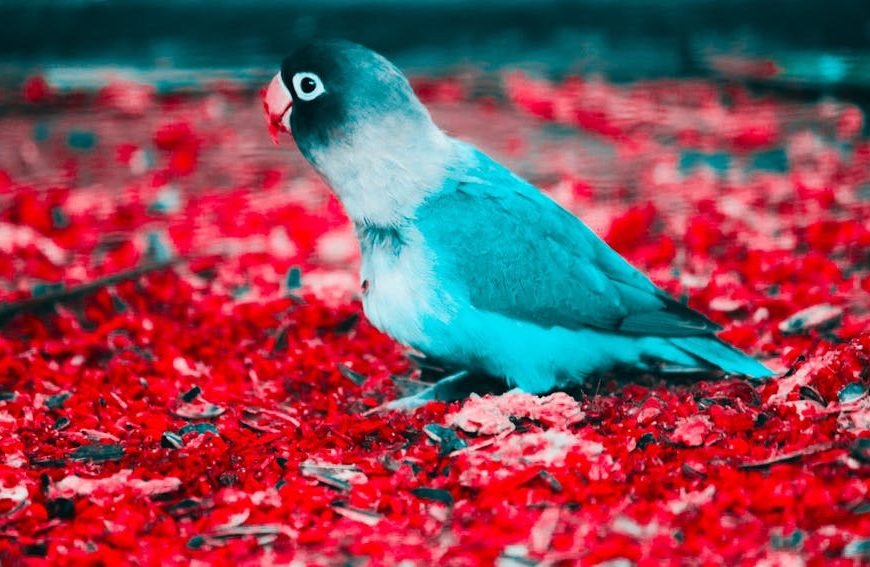
In the vast world of avian species, parakeets stand out not only for their vibrant colors but also for their vocal abilities. Yes, parakeets can indeed talk. However, before pet owners rush to start chatting away with their feathered friends, it’s important to understand how parakeets possess this fascinating trait.
Although parakeets’ vocal cords differ from humans, their ability to mimic human speech stems from their syrinx, a unique vocal organ located at the base of their trachea. Unlike human vocal cords that produce sound through vibration, the syrinx creates diverse sounds and pitches by modulating airflow. This unique adaptability enables them to replicate a wide range of words and phrases. However, remember that each bird is different, and the complexity of their vocabulary significantly varies.
Beyond their anatomical features, parakeets are also socially inclined creatures. Originating from the bustling wild landscapes of Australia, they’ve evolved within complex social structures where communication is vital for survival. Naturally, they are accustomed to mimicking sounds for social engagement. This socialization manifests within household settings too, making them more likely to mimic human speech.
Teaching your parakeet to talk, much like any training process, requires patience, consistency, and positive reinforcement. First and foremost, it’s crucial to understand that parakeets won’t start talking overnight. It may take weeks, even months of consistent training before your feathery companion starts verbally interacting with you.
At the heart of the process is repetition. Consistently repeating the same words and phrases to your parakeet makes it easier for them to mimic these sounds. Pairing specific words with actions or objects can also aid in recognition and memory. Additionally, encouraging your parakeet with positiveness when they attempt to mimic a word or tune goes a long way in fostering a conducive learning environment. A well-timed treat, a gentle stroke, or a chirpy phrase can reinforce their desire to vocalize.
Moreover, employing specific methods can make the speech training process more streamlined. One such method involves repetitive speech exercises. Speak clearly to your parakeet using short words or phrases while maintaining eye contact to create a stronger bond of communication. This connection goes beyond words and ensures that your parakeet feels safe, comfortable, and understood.
Alternatively, pre-recorded tapes or devices can be utilized. The key is not to overwhelm your bird but to provide auditory stimulation at various intervals, preferably during their most active times.
Lastly, involving your parakeet in day-to-day activities can ignite their curiosity and influence their speech mimicry. Engaging with them while doing chores or taking them around the house can make them feel included, hence encouraging them to interact verbally.
However, it’s important to remember that teaching your parakeet to talk should not become stressful for your feathery companion. Signs of stress in parakeets can be subtle, like changes in eating or excretion habits, or more evident with aggressive behaviors like biting. Ensure to provide rest periods between training, never force the bird if it seems uninterested, and try to understand its preferences. After all, a relaxed and happy parakeet will be much more willing to communicate with you. Happy chatting!
Comparing Different Parakeet Speaking Abilities
Aside from the larger parrot family, where the African Grey parrot is reputed as the best talker, among the smaller parrots like parakeets, budgies, and lovebirds, parakeets genuinely stand out with their speaking abilities. Still, it’s important to remember that the ability to talk varies from bird to bird. Here’s a brief comparison to illustrate this point:
| Species | Average Vocabulary | Clarity of Speech |
|---|---|---|
| Parakeets | Up to 100 words or more | High |
| Budgies | 50 words | Low – Moderate |
| Lovebirds | Rarely talk | Low |
But remember, just because your parakeet can mimic speech doesn’t mean it will. Each bird is an individual and will engage with its environment in its own unique way.
Pitfalls to Avoid in Parakeet Training
✳️ Pro Tip: Don’t rush the process
Adopting a methodical approach, giving ample time for your parakeet to grasp a new word or phrase, is crucial. Some bird owners make the mistake of overwhelming their pets with too many new sounds at once. Start with a few simple words or phrases, and once your pet has mastered those, move to new ones.
✳️ Pro Tip: Know your pet’s limits
Just like us, parakeets can have off days too. If your feathered friend is displaying signs of stress, such as excessive preening, beak grinding, or loss of appetite, it may be best to pause the training and give it some time to relax.
Final Verdict: Can All Parakeets Talk?
While it’s true that all parakeets have the innate ability to mimic human speech, not all will develop this skill. It boils down to individual personality traits and the environment they’re raised in. But given patience and consistent positive reinforcement, there’s a high chance that your parakeet will start picking up and repeating words or phrases.
Your Step-By-Step Guide to Teaching Your Parakeet to Talk
✔️ Step 1: Bonding with Your Parakeet
A strong bond with your parakeet is the foundation for effective speech learning. Spend quality time with your pet, get it comfortable with your presence, and create a trusting environment.
✔️ Step 2: Creating a Conducive Learning Environment
Ensure that your pet’s surroundings are quiet and peaceful. Excessive noise can distract your pet and make it harder to pick up new words.
✔️ Step 3: Learning Through Repetition
Choose a word or phrase and repeat it consistently. Keep your voice vibrant, upbeat, and engaging, ensuring your pet’s attention is focused on you.
✔️ Step 4: Positive Reinforcement
Whenever your pet makes an attempt to mimic, provide positive feedback immediately. You can give a small treat as a reward or shower it with praises.
✔️ Step 5: Consistency is Key
Be consistent with your training sessions. Regularity and routine make it easier for your parakeet to grasp and remember new sounds.
✔️ Step 6: Patience Pays Off
Remember, your pet may take some time before it masters a word or phrase. Always be patient with your feathered friends. Don’t rush the process, enjoy the journey.
This guide helps you to foster a better relationship with your parakeet and enjoy the fulfilling experience of teaching your pet bird to talk and communicate. Just remember, patience, consistency, and lots of love are at the heart of this process. Happy training!
Key Takeaway:
- Parakeets, due to their unique vocal organs and social natures, do have the ability to mimic human speech.
- Teaching a parakeet to talk requires patience, consistency, and positive reinforcement.
- Methods of teaching parakeets to speak include repetition, pre-recorded tapes, and including the bird in daily activities.
- Observing for signs of stress in your parakeet and adjusting your training methods accordingly is necessary as their comfort and well-being should be top priority.
In training parakeets to mimic human speech, the process might take time but the result would certainly be worth the patience. It is a chance to cultivate a bond with your little vibrant friend which is a reward in its own right. Remember to keep the process light and enjoyable for your parakeet, and most importantly, always maintain a positive and supportive environment for them.
FAQs
Q: Can female parakeets also mimic human speech?
A: Yes, both male and female parakeets have the potential to mimic human speech. However, typically, male parakeets are often more talkative and likely to mimic speech.
Q: Would it hinder the learning process if we have multiple parakeets together?
A: It may. Parakeets in a flock are more likely to chatter among themselves, and it might be less likely for them to mimic human speech. However, this greatly depends on the individual bird’s personality and comfort with humans.
Q: Is there a specific age to start training parakeets?
A: You can start teaching parakeets at any age, but it’s usually easier with younger birds as they can pick up new words and sounds faster.
Q: What if my parakeet is not showing any interest in speaking?
A: That’s perfectly fine. Every bird has a different personality. Some parakeets might prefer whistling or sound mimicry over speaking.
Q: Can parakeets understand the words they mimic?
A: Typically, parakeets mimic sounds and words without understanding their meaning. However, with consistent training associating words with actions or objects, they might begin to make those connections.
Encouraging our readers to share this article with fellow parakeet parents and explore more posts on our website to learn about the amazing world of these feathery creatures. Happy chatting!