In the bustling kingdom of birds, the terms crow, raven, and blackbird are often used interchangeably and are sometimes mistakenly referred to as the same type of bird species due to their shared trait of being predominantly black. However, despite their similar colorations, crows, ravens, and blackbirds are distinctly different in several ways, from their physical attributes to their behaviors, bird calls, and preferred habitats. This article aims to shed light on these differences, providing a deeper understanding of each bird species.
Identifying Physical Differences
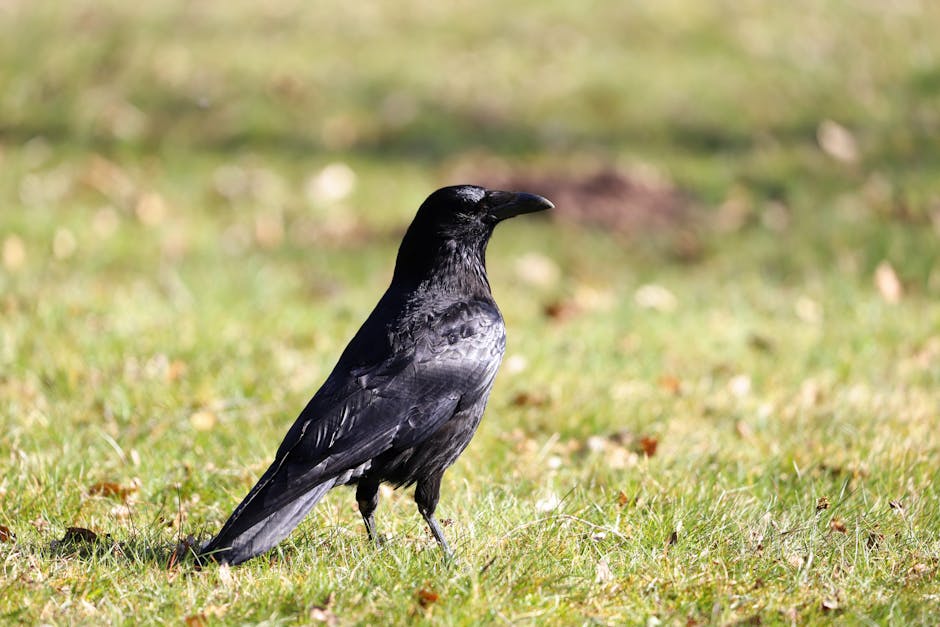
In general, the most noticeable physical factor that sets crows, ravens, and blackbirds apart is their size. While ravens are the largest between the three – typically around 24-27 inches in length, crows follow as medium-sized birds typically around 17.5 inches long, and blackbirds are smaller, with a usual length of just 9-12 inches.
Another key differentiating factor is beak shape. Ravens have a larger, more curved beak with ruffled feathering at the neck while crows possess slightly rounded and leaner beaks without neck feathers. On the other hand, blackbirds are known for their sharp, straight beaks.
The color of their feathers also differ subtly. Crows and ravens have all-black plumage, but ravens have a shinier, ‘wet gloss’ finish. Blackbirds, despite their names, can be either completely black, dark brown or have red or yellow markings.
Pro tip: Pay close attention to the feather color around a bird’s neck and beak; it can be a significant indicator of the bird species.
Understanding Behavior Differences
Beyond their physicals, crows, ravens, and blackbirds display distinctive behaviors. Crows are highly sociable, usually seen in large groups or ‘murders,’ whereas ravens, though they can also be found in pairs or small groups, have solitary tendencies. Blackbirds, too, have sociable characteristics, often seen in flocks during autumn and winter.
When it comes to their interaction with humans and other animals, crows are generally bolder than ravens, often seen interacting with humans or other animals in urban areas. Ravens are more reserved, preferring remote, wild terrains. Blackbirds, on the other hand, are less interactive and more skittish.
Let’s take a look at their feeding habits. Crows and ravens are omnivorous with a diet that includes fruits, nuts, seeds, and small animals. Blackbirds primarily feed on insects, fruits, and berries.
| Birds | Preference for Human Interaction | Food Preference |
|---|---|---|
| – | – | – |
| Crows | High | Omnivorous |
| Ravens | Low | Omnivorous |
| Blackbirds | Moderate | Insects, fruits, and berries |
Besides, one of the best ways to observe these behaviors without disturbing them is by birdwatching from a distance, using binoculars to keep an up-close view.
Make sure to stay tuned to learn about their different bird calls, which is a fascinating subject in itself, and their preferred habitats, which highlight the adaptability of these species. Commencing these subjects, we will also delve into their differing lifespans and reproductive processes, which shed light on the intricate ways these birds contribute to biodiversity. Stay curious!
Differences in Bird Calls and Sounds
Recognizing distinct bird calls can be an auditory delight and is also a great way to differentiate between crows, ravens, and blackbirds. Ravens produce a lower croaking sound, while crows are known for their loud, harsh ‘caw.’ Blackbirds have a rich, melodious whistle.
Though each bird’s call is unique, there can be overlaps, especially between crows and ravens. It is also worth noting that bird calls can change based on factors such as stress or mating season.
Pros of identifying birds based on their calls:
- It provides a non-invasive way to identify the bird.
- It can be done from a distance, without visual sighting.
Cons:
- Bird calls can vary based on factors like mating season, or location.
- It requires practice and a keen ear.
Here’s a quick checklist of key sounds to listen for:
- Ravens: Deep, croaking call
- Crows: Harsh, loud ‘caw’
- Blackbirds: Melodious, flute-like whistle
Habitat Preferences and Differences
Geography plays a significant role in bird behavior, including the preferred habitats of our feathered friends. Crows are highly adaptable and found everywhere from dense forests to urban cityscapes. In contrast, ravens prefer remote wild areas, often in mountains or forests. Blackbirds are versatile and inhabit woodland, farmland, marshes, and gardens.
Here’s a rundown of their favored habitats:
- Crow: Urban to forest environments
- Raven: Remote, wilderness locations
- Blackbird: Woodlands, marshes, gardens, and farmlands
Pro tip: If you’re in an urban space and see a large black bird, it’s most likely a crow. A remote wilderness area would instead swing the odds in favor of spotting a raven.
Lifespan and Reproduction Differences
Lifespan and reproduction habits vary considerably among crows, ravens, and blackbirds. On average, crows live around 7-8 years, ravens can live up to 13 years, and blackbirds live for about 2-3 years in wild conditions.
In terms of reproduction, crows and ravens build high nests in trees or cliffs, usually laying 3-7 eggs. Ravens, staying true to their solitary nature, pair for life. Conversely, blackbirds build low nests in shrubs or trees, laying 3-5 eggs at a time, with males often taking multiple partners.
Here’s a comparison of their life cycles:
- Crows: Lifespan of 7-8 years; nests in trees or cliffs
- Ravens: Lifespan of up to 13 years; nests in trees or cliffs
- Blackbirds: Lifespan of 2-3 years; nests in shrubs or trees
Birdwatching is a practice layered with patience, observation, and learning. By spotting and understanding these differences among crows, ravens, and blackbirds, you can enrich your birdwatching experience and deepen your connection with nature. So grab those binoculars and let the birdwatching commence!
Key Takeaway:
- Crows, ravens, and blackbirds, while similar in coloration, exhibit significant differences in physical characteristics, behaviors, sounds, habitat preferences, as well as lifespan and reproduction aspects.
- Ravens are larger than crows and blackbirds, have larger and more curved beaks, and exhibit a shinier feather finish.
- Crows are noted for their sociability and bold interaction with humans, while ravens display more solitary tendencies.
- The birdcalls of these species are distinctively different– ravens have a deep croak, crows have a harsh ‘caw,’ and blackbirds possess a melodic whistle.
- Preferred habitats range widely, with crows frequenting urban to forest environments, ravens sticking to wilderness locations, and blackbirds adapting to an array of habitats from woodlands to farmlands.
- Notably, the lifespan of these birds varies, with ravens living up to 13 years, crows around 7-8 years, and blackbirds about 2-3 years in wild conditions.
As the article reveals, the enchanting world of birds offers a rich tapestry of species, each with its distinct habits and characteristics. By understanding these differences, you can discern a raven from a crow, differentiate them from a blackbird, and enjoy a rewarding birdwatching experience. Armed with the newfound knowledge, why not step outdoors and rustle those binoculars? Who knows, you might just spot a blackbird warbling away!
FAQs
Q: Can crows, ravens, or blackbirds adapt to a different habitat than their preferred ones?
A: While crows, ravens, and blackbirds have preferred habitats, they are known for their adaptability and can adjust to various environments with adequate food supply and nesting options.
Q: Do crows, ravens, and blackbirds share any common feeding habits?
A: Both crows and ravens are omnivorous, consuming varied diets of fruits, nuts, seeds, and small animals. Blackbirds primarily feed on insects, fruits, and berries.
Q: How can I tell a crow from a raven through bird call differences?
A: Crows are known for their loud, harsh ‘caw’ while ravens have a deep, croaking call. Blackbirds emit melodious, flute-like whistles.
Q: Are there behavioral traits unique to each of these species?
A: Yes. Crows are highly sociable, and bold in human interaction, ravens are more solitary in nature, and blackbirds are less interactive and more skittish.
Q: What are the differences in lifespan between these bird species?
A: On average in the wild, crows live up to 7-8 years, ravens can live up to 13 years, and blackbirds typically live for about 2-3 years.
Feel free to share this useful article with colleagues, friends or family who might be interested. Enjoy exploring more enlightening posts on our website!